 EN
EN

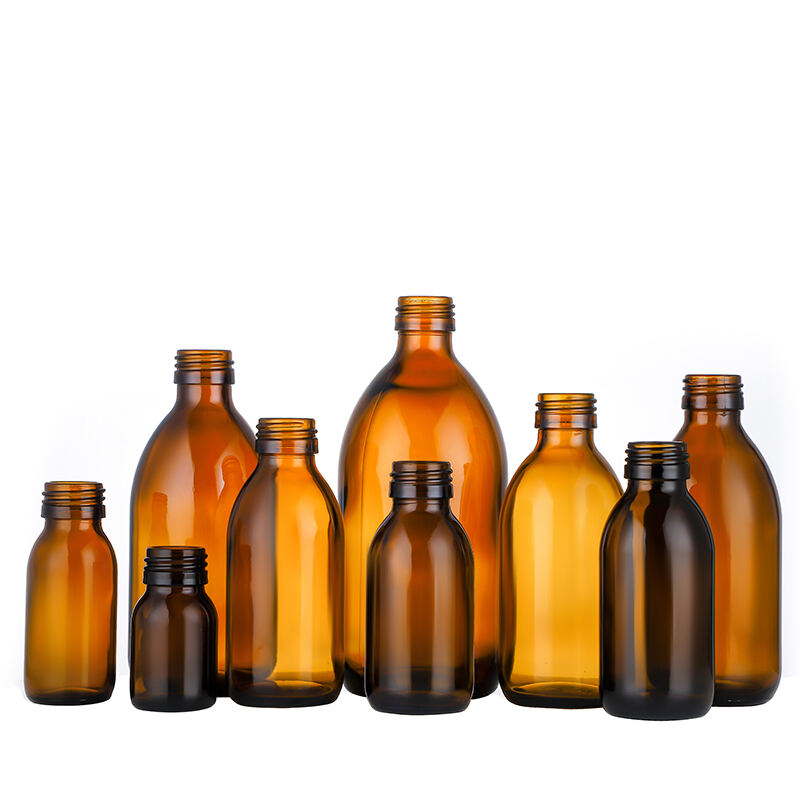
Cleaning and Maintaining Coffee Glass Jars for Longevity
For specialty roasters and coffee enthusiasts, the journey to a perfect brew does not end with the roast; it continues with how the beans are stored. Selecting high-quality coffee glass jars is the first step toward flavor preservation, but establishing a rigorous routine to clean and maintain these vessels is what ensures their performance over years of use. Coffee is an organic product rich in volatile oils and aromatic esters. Over time, these oils can adhere to the interior walls of a glass container, becoming rancid and contaminating subsequent batches of fresh beans. Understanding the science of glass maintenance is essential for anyone looking to protect their investment in premium coffee and maintain a professional-grade supply chain.
Essential Cleaning Protocols for Specialized Coffee Glass Jars
Maintaining the chemical inertness of coffee glass jars requires more than a simple rinse. Because coffee oils are hydrophobic and prone to oxidation, they form a stubborn film that can trap bacteria and old odors. To ensure longevity, a deep cleaning process should be implemented every time a jar is emptied before being refilled with a new roast.
The primary method for cleaning coffee glass jars involves using warm, filtered water and a fragrance-free, pH-neutral detergent. It is vital to avoid heavy perfumes or floral-scented soaps, as glass can sometimes retain trace scents in the micro-pores of the surface or within the silicone gaskets, which will later "ghost" into the flavor of the coffee. For industrial-scale roasters using large coffee glass jars for display or bulk storage, specialized brewery-grade cleansers that target organic proteins and oils are often recommended to ensure a completely sterile environment.
Beyond standard washing, the physical tools used to clean coffee glass jars impact their structural integrity. One should always use soft microfiber cloths or non-abrasive bottle brushes. Using steel wool or abrasive scouring pads can create microscopic scratches on the glass surface. These scratches not only weaken the glass over time, making it more susceptible to thermal shock, but they also create "nucleation points" where oils and moisture can accumulate, making future cleaning even more difficult. Ensuring the glass remains smooth and polished is the best way to guarantee its long-term transparency and hygienic safety.
Maintenance of Airtight Seals and Gasket Integrity
The performance of coffee glass jars is only as good as their sealing mechanism. Most professional coffee storage solutions utilize a silicone or rubber gasket combined with a mechanical clasp or a precision-threaded lid to exclude oxygen. Over time, these components can dry out, crack, or lose their elasticity due to repeated compression and exposure to the natural acids found in coffee.
To maintain the longevity of the seal, gaskets should be removed from the coffee glass jars during the cleaning process. They should be inspected for signs of wear, such as thinning or brittleness. A common industry practice to extend the life of silicone seals is to occasionally apply a very thin layer of food-grade lubricant or simply ensure they are air-dried completely before reassembly. If a gasket becomes permanently stained or starts to smell of old coffee, it should be replaced immediately. Many premium coffee glass jars are designed with replaceable parts, allowing the glass body to last a lifetime while the consumable seals are refreshed periodically.
Furthermore, the mechanical components of the lid—such as stainless steel latches or plastic screw-caps—require their own maintenance. Moving parts should be checked for tension. In humid environments, even stainless steel can develop surface oxidation if not dried properly. Ensuring that the lid hardware is functioning correctly prevents air leaks that would otherwise lead to the rapid staling of the coffee. A well-maintained seal ensures that the internal atmosphere of the coffee glass jars remains stable, protecting the beans from the fluctuating humidity of a kitchen or warehouse environment.
Long-Term Preservation and Storage Best Practices
Once the coffee glass jars are cleaned and the seals are verified, the physical placement of the jars plays a significant role in their maintenance. Glass is a dense material that acts as a thermal buffer, but it is not immune to extreme environmental shifts. To prevent the glass from becoming brittle or the seals from failing prematurely, jars should be stored in a cool, dry location away from direct heat sources like ovens or sunlight.
Thermal shock is a common cause of failure in coffee glass jars. This occurs when a jar is moved rapidly from a cold environment (like a refrigerator) to a hot cleaning solution. While high-quality borosilicate glass is resistant to this, standard soda-lime glass can crack under the stress. For longevity, always allow coffee glass jars to reach room temperature gradually before subjecting them to hot water. This careful handling prevents internal stresses from developing in the glass structure, ensuring that the container remains robust for years of service.
In a retail or commercial setting, the organizational method for coffee glass jars also impacts their lifespan. Using "shadow boards" or padded shelving prevents glass-on-glass contact, which is the leading cause of "star cracks" and chips. Even a small chip on the rim of a jar can compromise the airtight seal, rendered the container useless for coffee preservation. By treating the jars as precision instruments rather than simple kitchenware, businesses can significantly reduce their replacement costs and maintain a pristine presentation for their customers.
Managing Moisture and Preventing Condensation
The greatest enemy of coffee freshness—and the enemy of coffee glass jars' cleanliness—is moisture. If a jar is not 100% dry before being filled with beans, the trapped water will create a humid microclimate that promotes mold growth and ruins the coffee's flavor. For professional maintenance, coffee glass jars should be air-dried upside down on a rack that allows for maximum airflow.
In regions with high humidity, it is sometimes necessary to use a lint-free towel to manually dry the interior after air-drying to ensure no water spots remain. These spots are often mineral deposits from hard water, which can eventually etch the glass if left untreated. If your facility has hard water, a final rinse with a small amount of distilled water or a diluted vinegar solution can keep the coffee glass jars looking crystal clear and prevent mineral buildup.
For long-term storage of green beans or bulk roasted stock, some roasters include food-safe desiccant packets inside the coffee glass jars. However, if the jars are maintained correctly and the seals are airtight, this is rarely necessary. The goal is to create a static environment. By ensuring the jar is bone-dry and the seal is perfect, you lock in the "peak freshness" of the roast. This meticulous attention to moisture management is what separates an average storage solution from a professional flavor-preservation system.
Enhancing Supply Chain Efficiency Through Proper Care
From a business perspective, the decision to clean and maintain coffee glass jars rather than using disposable packaging is a commitment to both quality and sustainability. Properly maintained glass has a much lower total cost of ownership than many realize. While the initial investment is higher than plastic or paper, the ability to reuse the jars hundreds of times creates a circular economy that resonates with modern eco-conscious consumers.
For wholesalers, providing a "maintenance guide" along with a shipment of coffee glass jars can be a value-added service that builds client loyalty. When a cafe knows how to keep their jars in top condition, they are less likely to experience product loss due to staling. This creates a more reliable supply chain where the quality of the coffee is guaranteed from the roastery to the final cup. Furthermore, clean, sparkling glass jars enhance the visual appeal of the coffee, serving as a silent salesman on the retail counter.
Customized coffee glass jars that feature embossed logos or specialized tints require even more specific care. For example, jars with external coatings or silk-screened branding should be hand-washed to prevent the graphics from fading in high-heat commercial dishwashers. By tailoring the maintenance routine to the specific type of glass and decoration, businesses can ensure their branding remains as sharp and vibrant as the coffee itself. Ultimately, the care put into the container is a reflection of the care put into the coffee, creating a cohesive brand image of excellence and attention to detail.
FAQ
How often should I clean my coffee glass jars?
You should clean your coffee glass jars every time they are emptied and before you refill them with a fresh batch of beans. This prevents the buildup of old coffee oils which can turn rancid and affect the flavor of the new coffee. If you are using the jars for long-term storage of the same type of bean, a deep clean every month is recommended to check the integrity of the seals and ensure no moisture has entered the container.
Is it safe to put coffee glass jars in the dishwasher?
Most coffee glass jars made of borosilicate or thick soda-lime glass are dishwasher safe. However, the high heat and harsh detergents used in many commercial dishwashers can degrade silicone gaskets and fade custom-printed logos or external coatings over time. For the longest lifespan, hand-washing with mild soap and warm water is preferred. If you do use a dishwasher, always remove the rubber or silicone gaskets and wash them by hand to prevent them from becoming brittle.
My coffee glass jars have a lingering smell; how do I remove it?
If a jar has a lingering smell of old coffee or previous contents, you can neutralize it using a mixture of baking soda and warm water. Let the solution sit in the jar for several hours before rinsing. Alternatively, a diluted white vinegar rinse is highly effective at removing odors and mineral deposits. Because glass is non-porous, the smell is likely trapped in the gasket or a film of oil on the surface; once these are properly cleaned, the jar will return to its neutral state.
How can I tell if the airtight seal on my jar is still working?
A simple way to test the seal of your coffee glass jars is the "immersion test" (without coffee inside). Close the jar and submerge it in a basin of water. If you see air bubbles escaping from the lid, the seal is compromised. Alternatively, you can place a piece of paper across the rim and close the lid; if you can easily pull the paper out, the tension on the gasket is insufficient. Regular inspection of the gasket for cracks or flattening is the best preventative maintenance.