 EN
EN

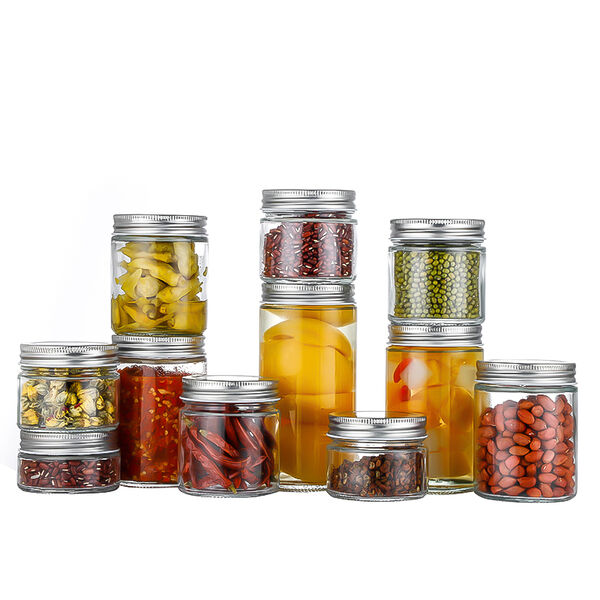
When it comes to preserving the freshness and quality of your food items, choosing the right storage solution makes all the difference. Food glass jars have emerged as the gold standard for both home cooks and professional kitchens seeking reliable, safe, and aesthetically pleasing storage options. These versatile containers offer superior protection against moisture, air, and contamination while maintaining the natural flavors and nutritional value of your ingredients. Unlike plastic alternatives that can absorb odors and potentially leach harmful chemicals, glass provides an inert barrier that keeps your food pure and fresh for extended periods.
Understanding the Science Behind Glass Food Storage
Non-Porous Surface Properties
Glass stands out as the premier material for food storage due to its completely non-porous surface structure. This characteristic prevents bacteria, mold, and other microorganisms from penetrating the container walls, creating an inhospitable environment for harmful pathogens. The smooth glass surface also resists staining and odor absorption, ensuring that strong-smelling foods like garlic or spices won't transfer their aromas to subsequent contents. This property makes food glass jars particularly valuable for households that frequently rotate different types of ingredients in their storage containers.
The molecular structure of glass creates an impermeable barrier that maintains consistent internal conditions regardless of external temperature fluctuations. This stability is crucial for preserving delicate compounds in foods such as essential oils in herbs and spices, vitamins in dried fruits, and complex flavor molecules in coffee beans. Professional chefs and food manufacturers specifically choose glass containers for this reason, as they can guarantee consistent product quality over extended storage periods.
Chemical Inertness and Food Safety
Unlike plastic containers that may contain BPA, phthalates, or other potentially harmful chemicals, glass remains completely chemically inert when in contact with food products. This means that no foreign substances can migrate from the container into your food, ensuring that what you store is exactly what you consume. The FDA recognizes glass as Generally Recognized as Safe (GRAS) for all food contact applications, making it the safest choice for long-term food storage.
The thermal stability of glass also allows for safe temperature transitions, from refrigerator storage to room temperature without compromising the container's integrity or safety. This versatility enables users to store everything from cold-pressed oils to warm preserves without concern about chemical reactions or material degradation that could affect food quality or safety.
Optimal Storage Solutions for Dry Foods
Grain and Cereal Preservation
Dry goods such as rice, quinoa, oats, and flour require protection from moisture, air exposure, and pest intrusion to maintain their nutritional value and prevent spoilage. Food glass jars excel in these applications by creating an airtight seal that prevents humidity infiltration while allowing easy visual inspection of contents. The transparent nature of glass enables users to monitor for signs of pest activity or moisture accumulation that could lead to mold growth.
Proper grain storage in glass containers can extend shelf life by up to 300% compared to paper or cardboard packaging. The key lies in ensuring complete moisture removal before sealing and maintaining consistent storage temperatures. Glass jars with tight-fitting lids create the ideal environment for preserving the nutritional integrity of whole grains while preventing rancidity in grain-based flours.
Spice and Herb Storage Excellence
Aromatic compounds in spices and dried herbs are particularly vulnerable to degradation from light, air, and temperature fluctuations. Food glass jars provide optimal protection by blocking harmful UV rays while maintaining airtight conditions that preserve volatile oils responsible for flavor and aroma. Dark-colored glass jars offer additional protection against light-induced degradation, making them ideal for premium spices and medicinal herbs.
The portion control benefits of glass jar storage cannot be understated for expensive spices and herbs. Clear visibility allows for accurate measurement and inventory management, reducing waste from over-purchasing or forgetting about stored items. Professional kitchens rely on standardized glass jar systems to maintain consistent seasoning profiles and reduce food costs through improved inventory control.
Liquid Food Storage Applications
Oil and Vinegar Preservation
Premium cooking oils and artisanal vinegars require careful storage to prevent oxidation and maintain their complex flavor profiles. Food glass jars provide the ideal environment for these liquid ingredients by eliminating oxygen exposure and preventing light-induced degradation. Extra virgin olive oils, infused oils, and aged vinegars particularly benefit from glass storage as it preserves their delicate balance of fatty acids and acidic compounds.
The thermal properties of glass also make it suitable for storing temperature-sensitive liquids without risk of container degradation. Cold-pressed oils maintain their nutritional benefits when stored in glass, as there's no risk of plasticizer migration that could alter the oil's composition or introduce unwanted flavors.
Homemade Preserves and Sauces
Glass jars have long been the standard for home canning and preserve making due to their ability to withstand high-temperature processing while maintaining sterile conditions. The smooth interior surface of glass containers prevents bacterial adherence and makes thorough cleaning possible, essential factors for safe food preservation. Whether storing homemade jams, pickled vegetables, or fermented sauces, glass provides the reliability needed for safe long-term storage.
The visual appeal of glass storage also adds aesthetic value to homemade preserves, making them suitable for gift-giving or attractive pantry display. The ability to see contents clearly helps with portion planning and prevents waste from forgotten items hidden in opaque containers.
Size Selection and Capacity Planning
Small Format Applications
Smaller glass jars ranging from 100ml to 300ml are ideal for storing specialty items that are used in small quantities. These compact containers work perfectly for expensive spices, homemade spice blends, herb mixtures, and small-batch preserves. The smaller volume ensures faster turnover, maintaining freshness while minimizing waste from products that might deteriorate in larger containers over extended periods.
Portion control becomes effortless with appropriately sized containers, as users can prepare single-use or recipe-specific quantities. This approach is particularly beneficial for meal prep enthusiasts who want to pre-portion ingredients or for households managing specific dietary requirements where precise measurements are crucial.
Large Volume Storage Solutions
Larger glass jars in the 500ml to 1000ml range excel at storing bulk dry goods and family-sized portions of frequently used ingredients. These containers are perfect for staples like rice, pasta, nuts, and dried fruits that are purchased in larger quantities for economic reasons. The substantial capacity reduces the frequency of container refilling while maintaining the protective benefits of glass storage.
Commercial kitchens and serious home cooks often prefer larger glass containers for ingredient standardization and workflow efficiency. The ability to store significant quantities while maintaining easy access and visual monitoring makes these larger formats indispensable for high-volume food preparation scenarios.
Maintenance and Longevity Benefits
Cleaning and Sanitization
The non-porous surface of glass makes thorough cleaning and sanitization straightforward, requiring only standard dish soap and hot water for most applications. Unlike plastic containers that can develop microscopic scratches harboring bacteria, glass maintains its smooth surface indefinitely with proper care. This characteristic makes food glass jars particularly suitable for storing raw ingredients and prepared foods that require strict hygiene standards.
For stubborn residues or strong odors, glass containers can safely withstand more aggressive cleaning methods including baking soda scrubs, vinegar solutions, or even bleach sanitization without risk of material degradation. This resilience ensures that containers can be completely restored to like-new condition regardless of their previous contents.
Durability and Economic Value
Quality glass food storage containers represent a long-term investment that can provide decades of reliable service with proper handling. Unlike plastic alternatives that may crack, discolor, or develop odors over time, glass maintains its functional and aesthetic properties indefinitely. The initial cost premium of glass containers is quickly offset by their longevity and superior performance characteristics.
The reusability factor of glass storage extends beyond simple food storage applications. Empty jars can be repurposed for organizing small items, creating decorative displays, or even starting seedlings for gardening projects. This versatility adds value beyond their primary food storage function, making them a sustainable choice for environmentally conscious consumers.
FAQ
How long can food be safely stored in glass jars
Food storage duration in glass jars depends primarily on the type of food and storage conditions rather than the container itself. Dry goods like grains and legumes can maintain quality for 2-3 years when properly sealed, while oils and vinegars can last 1-2 years beyond their original packaging dates. The key factors are maintaining airtight seals, controlling temperature, and protecting from light exposure.
Can glass food jars go in the dishwasher
Most glass food storage jars are dishwasher safe, but it's important to check manufacturer specifications for temperature limits and recommended rack placement. Generally, placing jars on the top rack away from heating elements ensures safe cleaning. Remove rubber gaskets or plastic components before dishwashing, as these may require hand washing to prevent degradation.
What sizes are most practical for everyday use
For most households, a combination of 250ml, 500ml, and 1000ml containers provides optimal versatility. Smaller sizes work well for spices and specialty ingredients, medium sizes are perfect for nuts, dried fruits, and small portions of grains, while larger containers excel for bulk staples like rice, flour, and pasta. Having multiple sizes allows for efficient organization and appropriate portion matching.
Are there any foods that shouldn't be stored in glass jars
Glass jars are suitable for virtually all food storage applications, but certain considerations apply. Highly acidic foods may require specialized lid materials to prevent corrosion, and extremely hot liquids should be cooled before transferring to prevent thermal shock. Additionally, carbonated beverages or fermenting foods that produce gas pressure may require containers specifically designed for pressure release.