 EN
EN

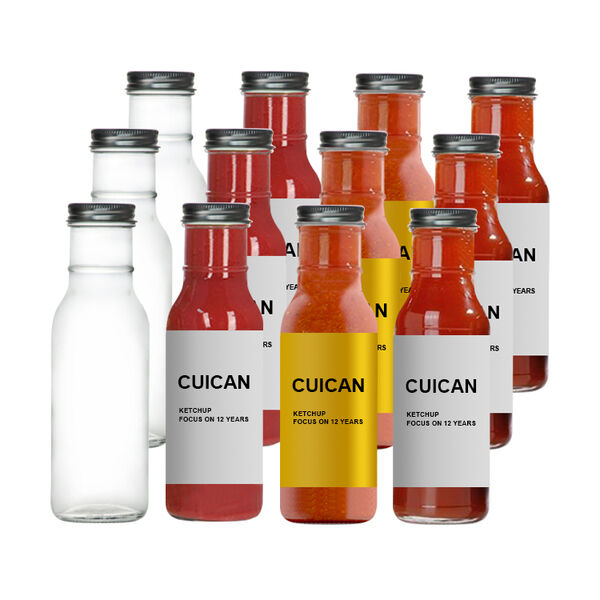
In an era where environmental consciousness shapes consumer choices, ketchup glass bottles are experiencing a remarkable resurgence across the food packaging industry. While plastic squeeze bottles dominated the condiment market for decades, discerning manufacturers and environmentally aware consumers are rediscovering the superior qualities that make glass containers the premium choice for ketchup packaging. This shift represents more than just nostalgia; it reflects a growing understanding of glass packaging's unmatched benefits in preserving product quality, enhancing brand perception, and supporting sustainable business practices.
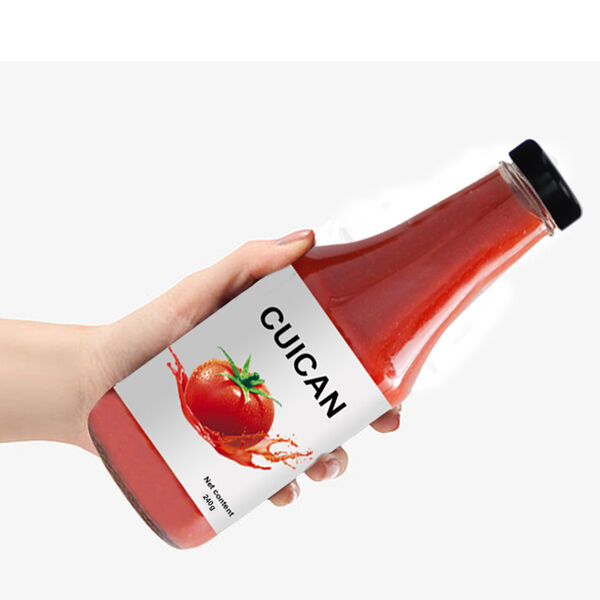
The transition back to glass packaging coincides with major food brands recognizing that premium positioning requires premium packaging materials. Ketchup glass bottles offer distinct advantages that plastic alternatives simply cannot match, from superior flavor preservation to enhanced shelf appeal. As regulatory pressure increases around plastic waste and consumer demand for sustainable packaging solutions intensifies, glass containers provide manufacturers with a future-proof packaging strategy that aligns with both environmental goals and market differentiation objectives.
Environmental Benefits of Glass Packaging for Condiments
Infinite Recyclability Without Quality Degradation
Glass stands as the only packaging material that maintains its integrity through unlimited recycling cycles, making ketchup glass bottles an environmentally superior choice. Unlike plastic containers that degrade with each recycling process, glass can be melted down and reformed into new bottles without losing any of its original properties. This infinite recyclability creates a truly circular economy for condiment packaging, where today's ketchup bottle becomes tomorrow's container without generating waste streams or requiring virgin materials.
The recycling process for glass requires significantly less energy than producing new glass from raw materials, reducing the overall carbon footprint of packaging operations. Modern glass manufacturing facilities achieve recycling rates exceeding 90% for post-consumer glass, demonstrating the material's exceptional sustainability profile. When manufacturers choose glass packaging, they contribute to established recycling infrastructure while reducing their environmental impact across the entire product lifecycle.
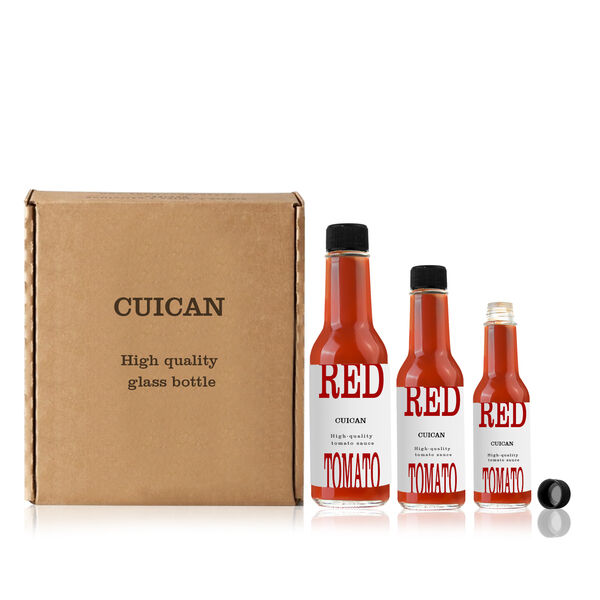
Reduced Chemical Leaching and Food Safety
The inert nature of glass eliminates concerns about chemical migration from packaging materials into food products, a growing consumer concern with plastic containers. Ketchup glass bottles provide an impermeable barrier that prevents any interaction between the container and its contents, ensuring product purity throughout the shelf life. This chemical stability becomes particularly important for acidic condiments like ketchup, where prolonged contact with plastic packaging can result in unwanted flavor changes or chemical contamination.
Glass packaging meets the highest food safety standards without requiring additional barrier coatings or chemical treatments that are commonly used in plastic containers. The absence of phthalates, BPA, and other potentially harmful chemicals makes glass the preferred choice for health-conscious consumers and manufacturers prioritizing food safety. This inherent safety profile reduces regulatory compliance complexity while providing manufacturers with a packaging solution that meets the strictest safety requirements across global markets.
Superior Product Protection and Shelf Life Extension
Airtight Sealing and Oxygen Barrier Properties
The exceptional sealing capabilities of ketchup glass bottles provide unmatched protection against oxidation and flavor degradation. Glass containers create an impermeable barrier to gases and moisture, maintaining the optimal internal atmosphere that preserves ketchup's color, flavor, and nutritional content. This superior barrier performance extends shelf life significantly compared to plastic alternatives, reducing product waste and improving inventory management for both manufacturers and retailers.
The rigid structure of glass bottles maintains consistent sealing pressure over time, unlike plastic containers that can deform under temperature variations or storage stress. This dimensional stability ensures that closure systems remain tight throughout the distribution chain, preventing contamination and maintaining product integrity. For premium ketchup brands, this enhanced protection translates directly into superior product quality and reduced customer complaints related to spoilage or off-flavors.
UV Protection and Temperature Stability
Glass naturally filters harmful UV radiation that can degrade ketchup's color and nutritional components, providing built-in protection without additional treatments. The UV-blocking properties of glass become particularly valuable for products displayed under retail lighting or stored in environments with natural light exposure. This protection helps maintain the vibrant red color that consumers associate with quality ketchup, reducing the need for artificial color stabilizers or preservatives.
Temperature fluctuations during transportation and storage have minimal impact on glass containers, unlike plastic bottles that can expand, contract, or become brittle under thermal stress. This thermal stability ensures consistent package performance across diverse climate conditions and storage environments. The heat resistance of glass also enables hot-fill processing, which can extend shelf life naturally without requiring additional preservatives, appealing to clean-label product formulations.
Market Positioning and Brand Differentiation Advantages
Premium Brand Perception and Consumer Psychology
Consumer perception studies consistently demonstrate that products packaged in glass containers are perceived as higher quality and more premium than those in plastic packaging. Ketchup glass bottles leverage this psychological association to position brands in the premium market segment, justifying higher price points and attracting quality-conscious consumers. The weight, clarity, and tactile experience of glass packaging communicate substance and authenticity that resonates with consumers seeking premium condiment options.
The transparency of glass allows consumers to see the product's color and consistency, building confidence in freshness and quality. This visual appeal becomes particularly important in competitive retail environments where package appearance influences purchasing decisions. Glass packaging also ages gracefully on retail shelves, maintaining its premium appearance throughout the product's shelf life, unlike plastic containers that may show wear, scratching, or clouding over time.
Customization and Brand Storytelling Opportunities
Glass bottles offer extensive customization options that enable brands to create distinctive packaging designs that support their marketing narratives. From embossed logos and unique bottle shapes to colored glass and specialized finishes, ketchup glass bottles provide numerous opportunities for brand differentiation. These customization capabilities allow manufacturers to create packaging that tells their brand story while standing out on crowded retail shelves.
The durability of glass enables sophisticated decorating techniques including screen printing, etching, and labeling that maintain their appearance throughout the product lifecycle. This decorating versatility supports premium branding strategies while ensuring that marketing messages remain clear and attractive from production through consumption. For artisanal and craft ketchup brands, glass packaging reinforces authenticity and craftsmanship messaging that resonates with target consumers.
Manufacturing and Supply Chain Considerations
Production Efficiency and Quality Control
Modern glass manufacturing processes deliver consistent quality and dimensional accuracy that supports efficient filling and packaging operations. Automated production lines for ketchup glass bottles achieve high throughput rates while maintaining tight tolerances for neck finish dimensions, wall thickness, and capacity consistency. This manufacturing precision reduces filling line adjustments and quality control issues, improving overall production efficiency for ketchup manufacturers.
Quality control systems for glass containers utilize advanced inspection technologies that detect defects with high accuracy, ensuring that only bottles meeting strict specifications reach filling operations. The standardization of glass container manufacturing processes across global suppliers provides supply chain reliability and consistency that supports international production and distribution strategies. This manufacturing maturity reduces supply risk while providing access to competitive pricing through established supplier networks.
Transportation and Storage Optimization
While glass containers are heavier than plastic alternatives, optimized packaging designs and transportation strategies minimize the impact on logistics costs. Nested bottle configurations and protective packaging systems maximize shipping density while preventing breakage during transportation. The stackability and dimensional consistency of glass bottles also optimize warehouse storage efficiency, reducing facility requirements and handling costs.
The durability of glass packaging reduces product loss from container failure during shipping and handling, offsetting transportation cost differences through improved product yield. Advanced packaging materials and techniques have significantly reduced breakage rates, making glass a viable option for long-distance shipping and complex distribution networks. For regional and specialty ketchup brands, the premium positioning enabled by glass packaging often justifies higher transportation costs through improved margins.
Economic Benefits and Cost Considerations
Total Cost of Ownership Analysis
While initial packaging costs for ketchup glass bottles may exceed plastic alternatives, comprehensive cost analysis reveals significant long-term economic advantages. Extended shelf life reduces product waste and inventory carrying costs, while premium positioning enables higher selling prices that improve profit margins. The durability of glass packaging also reduces customer complaints and returns, lowering service costs and protecting brand reputation.
The recyclability of glass creates value recovery opportunities through take-back programs and partnerships with glass recyclers. This end-of-life value recovery helps offset initial packaging costs while supporting circular economy initiatives that appeal to environmentally conscious consumers. For manufacturers with sustainability commitments, the environmental benefits of glass packaging can translate into marketing advantages and regulatory compliance benefits that provide additional economic value.
Market Premium and Consumer Willingness to Pay
Market research indicates that consumers demonstrate willingness to pay premium prices for products packaged in glass containers, particularly in the condiment category where quality perception directly influences purchasing decisions. This price premium potential can offset higher packaging costs while improving overall product profitability. The premium positioning also opens access to higher-end retail channels and foodservice segments that prioritize quality and sustainability.
Brand loyalty tends to be higher for products packaged in glass, reducing customer acquisition costs and supporting long-term revenue growth. The reusable nature of glass containers also creates additional value for consumers, who often repurpose attractive bottles for other uses, extending brand exposure and reinforcing positive associations. This extended brand presence provides ongoing marketing value that contributes to customer retention and word-of-mouth promotion.
FAQ
What are the main advantages of using glass bottles for ketchup packaging
Glass bottles offer superior product protection, infinite recyclability, premium brand perception, and complete food safety without chemical leaching concerns. They provide excellent oxygen and UV barriers that extend shelf life while maintaining ketchup's color, flavor, and nutritional content better than plastic alternatives. The premium appearance of glass also enables higher price positioning and appeals to quality-conscious consumers seeking sustainable packaging options.
How do transportation costs compare between glass and plastic ketchup containers
While glass containers are heavier and may increase transportation costs per unit, optimized packaging designs and shipping strategies minimize this impact. The premium pricing enabled by glass packaging often offsets higher logistics costs, and reduced product loss from container failure during shipping improves overall cost efficiency. Many manufacturers find that the marketing and sustainability benefits justify the transportation cost difference.
Are glass ketchup bottles suitable for all retail environments
Glass bottles are suitable for most retail environments, though handling procedures may need adjustment to prevent breakage. Modern glass manufacturing produces containers with improved impact resistance, and protective packaging reduces breakage during transportation and display. Premium retail segments often prefer glass packaging for its quality perception, while foodservice applications benefit from the professional appearance and reusability of glass containers.
How does the environmental impact of glass compare to plastic for ketchup packaging
Glass offers significant environmental advantages through infinite recyclability without quality degradation and elimination of microplastic concerns. While glass production requires more energy initially, the ability to recycle glass indefinitely creates a circular economy that plastic cannot match. The absence of chemical leaching and longer product shelf life in glass containers also reduce overall environmental impact throughout the product lifecycle.
Table of Contents
- Environmental Benefits of Glass Packaging for Condiments
- Superior Product Protection and Shelf Life Extension
- Market Positioning and Brand Differentiation Advantages
- Manufacturing and Supply Chain Considerations
- Economic Benefits and Cost Considerations
-
FAQ
- What are the main advantages of using glass bottles for ketchup packaging
- How do transportation costs compare between glass and plastic ketchup containers
- Are glass ketchup bottles suitable for all retail environments
- How does the environmental impact of glass compare to plastic for ketchup packaging