 EN
EN

When a parent reaches for a prescription or over-the-counter medication, one of the first things they notice is the resistance built into the cap. childproof medicine bottles have been a standard feature of pharmaceutical packaging for decades, designed with a single critical purpose: to prevent young children from accessing potentially dangerous substances. But as accidental poisoning statistics continue to surface in public health reports, a fair and important question emerges — are these bottles actually doing their job?
The effectiveness of childproof medicine bottles is not a simple yes-or-no answer. It depends on design standards, user behavior, regulatory compliance, and the specific context in which the bottles are used. This article examines the real-world performance of childproof medicine bottles, the engineering behind them, the limitations that reduce their effectiveness, and what improvements are being made to better protect children in homes, hospitals, and care facilities.
The Engineering Behind Childproof Medicine Bottles
How Child-Resistant Closures Work
Childproof medicine bottles rely on what the industry formally calls child-resistant closures, or CRCs. These mechanisms are engineered to require a combination of actions that young children typically cannot perform simultaneously. The most common design requires the user to press down firmly on the cap while turning it counterclockwise — a dual-action motion that demands both grip strength and coordinated dexterity.
Other designs use a squeeze-and-turn mechanism, where the sides of the cap must be compressed inward before rotation is possible. Some childproof medicine bottles incorporate alignment tabs that must be matched before the cap will release. Each of these approaches is based on the developmental limitations of children under five years old, who generally lack the fine motor coordination and hand strength to complete these actions reliably.
The bottle itself also plays a role. Glass and high-density plastic materials are chosen not only for chemical compatibility with medications but also for their resistance to breakage when dropped or struck. The structural integrity of childproof medicine bottles is part of the overall safety system, not just an afterthought.
Regulatory Standards That Define Effectiveness
In the United States, the Poison Prevention Packaging Act of 1970 established the legal framework requiring childproof medicine bottles for most prescription and many over-the-counter drugs. The Consumer Product Safety Commission oversees compliance, and the standard requires that packaging be tested on panels of children aged 42 to 51 months. To pass, no more than 20 percent of children in the test group should be able to open the package within a set time limit.
Similar regulations exist in the European Union, Canada, Australia, and many other markets. These standards are periodically reviewed and updated as new data on child behavior and packaging technology becomes available. The existence of these standards means that childproof medicine bottles sold in regulated markets must meet a defined minimum threshold of resistance — they are not simply marketed as child-resistant without evidence.
However, passing a laboratory test with a controlled panel of children does not guarantee that every child in every real-world situation will be unable to open the bottle. Standards define a floor, not a ceiling, and real-world performance can vary significantly based on factors outside the lab.
Evidence of Effectiveness: What the Data Shows
Reduction in Accidental Poisoning Since Regulation
The introduction of mandatory childproof medicine bottles had a measurable and significant impact on child poisoning rates. Studies conducted in the years following the Poison Prevention Packaging Act showed a substantial decline in child fatalities from accidental ingestion of medications such as aspirin and iron supplements. This is one of the clearest pieces of evidence that childproof medicine bottles, when properly designed and used, do provide meaningful protection.
Public health researchers have consistently pointed to child-resistant packaging as one of the most cost-effective injury prevention interventions in modern history. The reduction in hospitalizations and deaths attributable to accidental medication ingestion represents a genuine public health success. Childproof medicine bottles are not a theoretical safeguard — they have demonstrably saved lives over the past five decades.
That said, accidental poisoning from medications has not been eliminated. Emergency departments still treat thousands of children each year for medication ingestion incidents, which raises legitimate questions about where the gaps in protection exist and how they can be addressed.
Where the Numbers Still Fall Short
Despite the progress, childproof medicine bottles are not a complete solution on their own. A significant proportion of pediatric poisoning cases involve medications that were not stored in their original packaging, were left with caps improperly secured, or were accessed from bottles that had been switched to non-child-resistant caps by adults who found the original caps difficult to use.
There is also the issue of persistence. Some children, particularly older toddlers and preschool-aged children, will spend extended time attempting to open childproof medicine bottles and eventually succeed through trial and error. The regulatory standard allows up to 20 percent of test children to open the package — meaning that by design, a meaningful minority of children in the target age group may be capable of defeating the closure.
These data points do not invalidate childproof medicine bottles as a safety measure. They do, however, clarify that the bottles are one layer of a multi-layer safety strategy, not a standalone guarantee of protection.
Limitations That Reduce Real-World Performance
Adult Non-Compliance and Improper Use
One of the most significant factors undermining the effectiveness of childproof medicine bottles is adult behavior. Many adults, particularly elderly users or those with arthritis or reduced hand strength, find child-resistant closures genuinely difficult to operate. As a result, they may leave caps loosely placed rather than fully engaged, transfer medications to easier-to-open containers, or request non-child-resistant packaging from pharmacies — an option that is legally available in many jurisdictions.
When childproof medicine bottles are not properly closed after each use, the child-resistant mechanism provides no protection at all. A cap that is resting on top of a bottle rather than locked into position offers no more resistance than a standard screw cap. This behavioral gap is one of the most common pathways through which children gain access to medications despite the presence of child-resistant packaging.
Manufacturers and pharmacists have a role to play in addressing this issue. Clear instructions, tactile indicators that confirm proper closure, and designs that are easier for adults with limited dexterity to operate without compromising child resistance are all areas of active development in the packaging industry.
Design Variability and Counterfeit Packaging
Not all childproof medicine bottles are created equal. The quality of child-resistant closures varies considerably depending on the manufacturer, the materials used, and the precision of the mechanism. A closure that meets the minimum regulatory standard in laboratory conditions may degrade over time, particularly if the bottle is opened and closed repeatedly or exposed to temperature extremes.
In markets with weaker regulatory oversight, counterfeit or substandard childproof medicine bottles may circulate without having been properly tested. These bottles may carry visual cues associated with child-resistant packaging — such as arrows, push-down indicators, or ribbed caps — without the underlying mechanical integrity that makes those features effective.
For pharmaceutical companies, distributors, and healthcare facilities, sourcing childproof medicine bottles from verified, compliant manufacturers is not just a regulatory obligation but a direct factor in patient safety outcomes. The physical quality of the bottle and closure system matters as much as the design concept.
Improvements and Innovations in Child-Resistant Packaging
Advanced Closure Mechanisms
The packaging industry has not stood still since the original child-resistant closure designs were introduced. Modern childproof medicine bottles increasingly incorporate multi-step locking mechanisms, color-coded alignment systems, and tactile confirmation features that help adults verify proper closure while maintaining resistance for children. Some designs use a three-step process — align, press, and turn — that significantly increases the difficulty for young children while remaining manageable for most adults.
There is also growing interest in smart packaging technologies that could add an additional layer of protection. Concepts under development include electronic locking mechanisms that require a specific sequence of button presses, biometric features, and time-delay locks that prevent rapid repeated opening. While these technologies are not yet mainstream for standard childproof medicine bottles, they represent the direction in which high-risk medication packaging is heading.
Material innovation is also contributing to improved performance. High-quality glass bottles with precision-molded necks allow for tighter closure tolerances, reducing the likelihood of a cap appearing closed when it is not fully engaged. The combination of better materials and better mechanisms is gradually raising the real-world performance of childproof medicine bottles beyond the minimum regulatory baseline.
Education and Complementary Safety Measures
Packaging alone cannot solve the problem of accidental medication ingestion. Effective protection requires childproof medicine bottles to be part of a broader safety culture that includes proper storage, adult supervision, and public education. Health authorities and pediatric safety organizations consistently emphasize that medications should be stored out of sight and out of reach, even when they are in child-resistant packaging.
Pharmacist counseling at the point of dispensing is another important layer. When adults understand how to properly close childproof medicine bottles and why it matters, compliance rates improve. Simple reminders printed on packaging or included as inserts can reinforce correct behavior without requiring significant additional cost.
In healthcare and institutional settings, medication management protocols add further layers of protection. Locked medication carts, controlled dispensing systems, and staff training all work alongside childproof medicine bottles to reduce the risk of accidental access. The bottles are most effective when they are embedded in a system of complementary safeguards rather than treated as the sole line of defense.
Practical Considerations for Buyers and Specifiers
Selecting the Right Childproof Medicine Bottles for Your Application
For pharmaceutical manufacturers, compounding pharmacies, and healthcare product companies, selecting childproof medicine bottles involves more than meeting the minimum regulatory requirement. The choice of bottle material — glass versus plastic, amber versus clear — affects both the chemical stability of the contents and the perceived quality of the product. Glass bottles, in particular, offer superior chemical inertness and are preferred for many liquid medications, tinctures, and supplements.
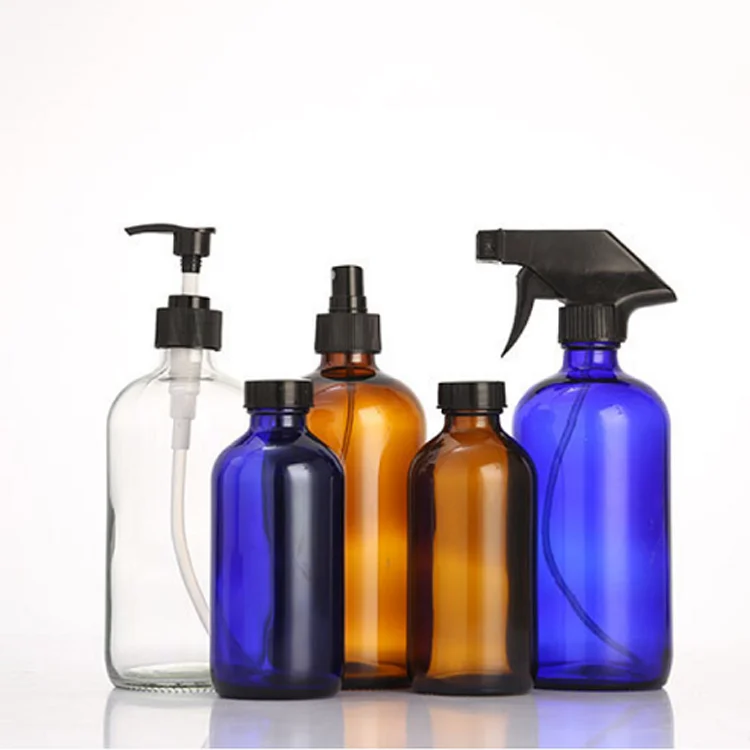
Volume and form factor also matter. Childproof medicine bottles are available in a wide range of sizes, from small 30ml dropper bottles to larger 500ml dispensing containers. Matching the bottle size to the intended dosage and dispensing method reduces the likelihood of improper use and helps ensure that the child-resistant closure remains effective throughout the product's shelf life.
Closure compatibility is a critical specification point. The child-resistant cap must be matched precisely to the bottle neck finish to ensure proper engagement. Mismatched components — even from the same supplier — can result in closures that appear secure but do not fully engage the locking mechanism. Specifying childproof medicine bottles as a complete system, rather than sourcing bottles and caps separately, reduces this risk.
Quality Assurance and Compliance Documentation
Buyers sourcing childproof medicine bottles for regulated markets should request documentation of compliance testing, including the specific standard to which the packaging was tested and the test results. Reputable manufacturers will be able to provide certificates of compliance, material safety data, and traceability documentation for their products.
Ongoing quality assurance is equally important. Batch-to-batch consistency in closure torque, cap dimensions, and material properties directly affects the reliability of the child-resistant mechanism. Establishing clear incoming inspection criteria and working with suppliers who maintain robust quality management systems helps ensure that childproof medicine bottles perform as intended across every production run.
For companies operating across multiple markets, understanding the specific regulatory requirements in each jurisdiction is essential. While many standards are broadly aligned, there are differences in test protocols, age ranges, and documentation requirements that can affect product approval timelines and market access.
FAQ
Are childproof medicine bottles required by law for all medications?
In most regulated markets, childproof medicine bottles are legally required for prescription medications and many over-the-counter drugs that pose a risk to children. However, there are exemptions for certain product categories, and adults can often request non-child-resistant packaging from a pharmacist for their own use. The specific requirements vary by country and product type, so manufacturers and distributors should verify the applicable regulations for each market they serve.
Can older children open childproof medicine bottles?
Child-resistant closures are specifically designed and tested against children aged 42 to 51 months. Older children, particularly those above age five or six, generally have sufficient dexterity and strength to open many types of childproof medicine bottles, especially with repeated attempts. This is why proper storage — out of sight and out of reach — remains essential even when child-resistant packaging is used.
Do childproof medicine bottles lose effectiveness over time?
Yes, the effectiveness of childproof medicine bottles can diminish with repeated use. The locking mechanism in child-resistant closures relies on precise tolerances between the cap and bottle neck. Over time, wear from repeated opening and closing, exposure to moisture, and material fatigue can reduce the resistance of the closure. For long-term storage of medications, it is advisable to check that the cap engages fully and replace the bottle if the closure feels loose or inconsistent.
What should I look for when sourcing childproof medicine bottles for a pharmaceutical product?
When sourcing childproof medicine bottles, prioritize suppliers who can provide documented compliance with the relevant child-resistant packaging standard for your target market. Verify that the bottle and closure are tested and specified as a matched system. Consider the material compatibility with your product, the volume and form factor required, and the quality assurance processes the supplier uses to ensure batch-to-batch consistency. Requesting samples and conducting your own closure engagement tests before committing to a production order is a sound practice.