 EN
EN

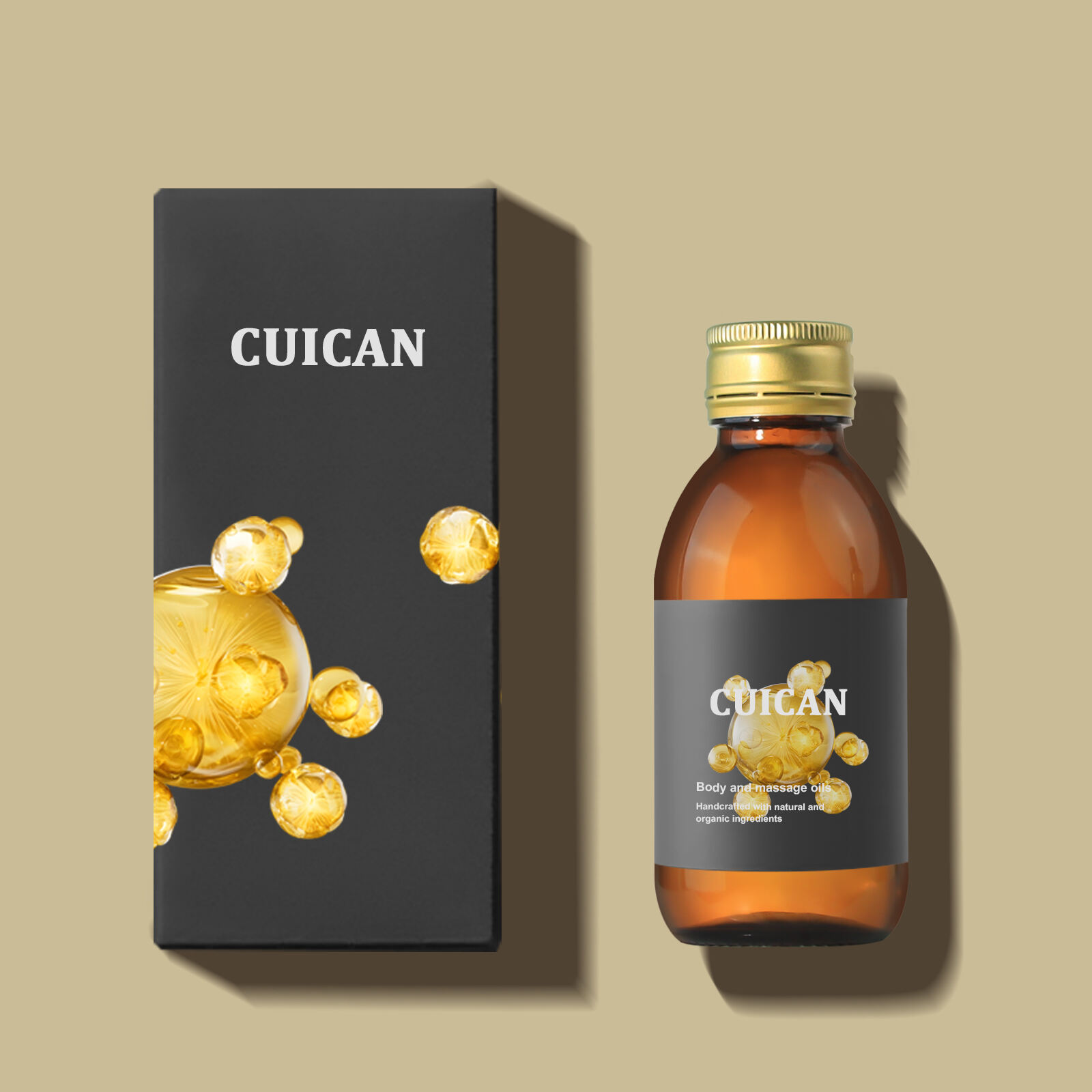
Choosing the right medicine bottles is a decision that affects safety, compliance, patient convenience, and operational efficiency across pharmacies, healthcare facilities, and consumer wellness brands. Whether you are managing a large-scale pharmaceutical dispensing operation or sourcing packaging for a retail supplement line, the quality and design of your medicine bottles directly determines how well the product is preserved, dispensed, and received. From child-resistant closures to graduated measurement markings, every detail matters when it comes to packaging medications securely and professionally.
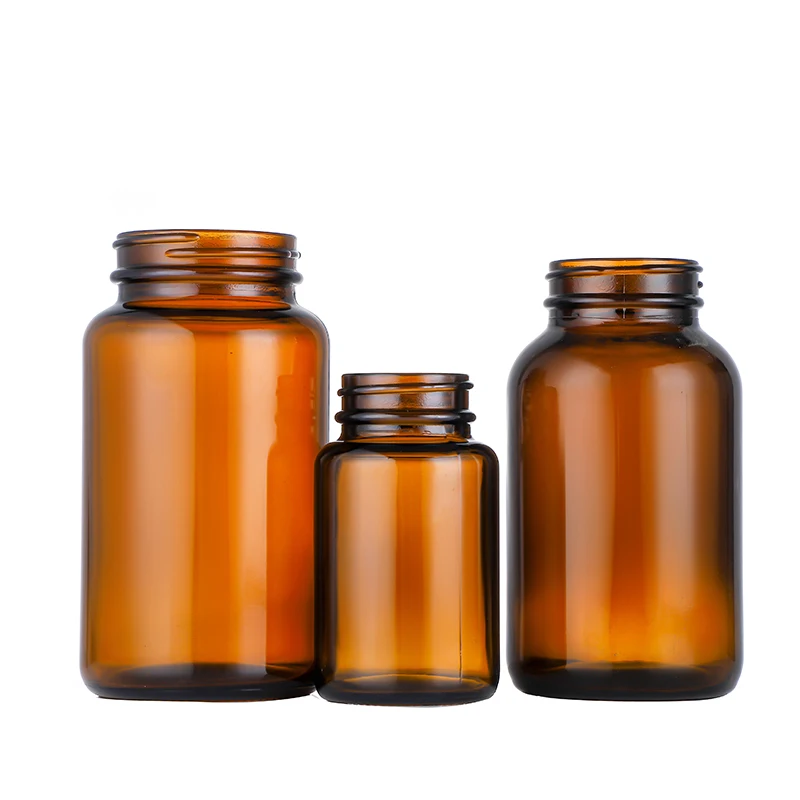
This article explores the key factors that make medicine bottles suitable for pill organizers and liquid medications, covering material selection, design features, volume options, and regulatory considerations. Whether you are evaluating medicine bottles for cough syrup, prescription liquids, tablet capsules, or multi-dose organizer systems, understanding what separates a high-performance bottle from a generic container will help you make smarter sourcing decisions. The right packaging not only protects the formulation inside but also builds confidence among end users and distributors alike.
Understanding the Two Primary Categories of Medicine Bottles
Bottles Designed for Solid Dosage Forms and Pill Organizers
When it comes to medicine bottles designed for solid medications such as tablets, capsules, or softgels, the primary concerns revolve around moisture resistance, light protection, and ease of counting. Many pharmacies and healthcare facilities use wide-mouth medicine bottles that allow pills to be counted and dispensed quickly without spillage. The neck diameter and shoulder design play a significant role in how smoothly solid dosage forms flow from the container.
Pill organizer applications often require medicine bottles with specific closure systems that are both secure and easy to open for elderly patients or individuals with limited dexterity. Push-and-turn caps, snap caps, and easy-open locking closures each serve different patient profiles. For institutional use, dram-style medicine bottles in standardized volumes such as 60cc, 120cc, or 200cc are commonly used because they integrate smoothly with automated dispensing equipment and counting trays.
Material quality is equally critical. High-density polyethylene and polypropylene are the most widely used resins for solid-dose medicine bottles because they provide excellent chemical inertness, impact resistance, and moisture vapor transmission rates low enough to protect hygroscopic formulations. Amber-colored variants add an extra layer of UV protection, which is particularly important for light-sensitive tablets or vitamin capsules that degrade when exposed to visible or ultraviolet radiation.
Bottles Designed for Liquid Medications and Syrups
Liquid medicine bottles serve a fundamentally different functional purpose. They must be capable of containing low-viscosity to high-viscosity formulations without leaking, while also allowing accurate measurement and pouring. Cough syrups, oral suspensions, pediatric liquid antibiotics, and promethazine-based formulations all require packaging that addresses containment integrity, dosing precision, and patient safety simultaneously.
The design of liquid medicine bottles typically incorporates graduated measurement markings on the body or a separately included dosing cup. Volumes commonly used in liquid pharmaceutical packaging range from 30ml to 500ml, with the 60ml to 120ml range being particularly popular for prescription cough syrups and OTC liquid medications. These medicine bottles must be compatible with a variety of cap systems including tamper-evident closures, child-resistant caps, and dispensing adapters that allow oral syringes to be used for precise dosing.
For wholesale and institutional buyers, sourcing medicine bottles in standardized volume formats such as 60ml, 80ml, and 100ml ensures compatibility across their filling lines and reduces packaging changeover complexity. These standardized sizes are particularly common in cough syrup and promethazine bottle applications where consistent volume expectations are set by both regulators and prescribers.
Material Selection for High-Performance Medicine Bottles
PET and Amber Glass for Liquid Formulations
PET, or polyethylene terephthalate, has become one of the dominant materials for liquid medicine bottles in the pharmaceutical and nutraceutical sectors. Its clarity allows patients and pharmacists to visually inspect the liquid level, color, and any sediment that may indicate formulation concerns. PET is also relatively lightweight compared to glass, which reduces shipping costs and the risk of breakage during transit and handling.
Amber PET and amber glass medicine bottles are specifically engineered to filter out UV and visible light wavelengths that can degrade photosensitive active pharmaceutical ingredients. For medications like promethazine or codeine-based cough formulations, amber glass or high-barrier amber PET medicine bottles are often the preferred choice to maintain potency and shelf life throughout the product's distribution chain. The choice between glass and plastic ultimately depends on the chemical compatibility of the formulation and the cost structure of the packaging line.
HDPE remains a strong contender for liquid medicine bottles that require greater chemical resistance. Some formulations, particularly those with high alcohol content or certain preservatives, may interact with PET, making HDPE the safer and more compatible option. HDPE medicine bottles also offer better performance at low temperatures, which is relevant for refrigerated liquid medications that need cold chain packaging integrity.
HDPE and Polypropylene for Solid Dose and Multipurpose Use
For solid-dose medicine bottles used in pill organizer systems and institutional dispensing, HDPE and polypropylene are the gold standard. These materials resist moisture absorption, are compatible with a wide range of label adhesives, and maintain dimensional stability under variable temperature and humidity conditions typical of pharmacy storage environments. HDPE is particularly valued for its excellent compatibility with induction-seal foil liners, which provide an additional tamper-evident layer for consumer safety.
Polypropylene-based medicine bottles offer slightly better rigidity and a cleaner appearance, making them suitable for premium supplement brands that want their solid-dose packaging to project a professional image. The resin can be compounded with UV stabilizers to improve light resistance and can be easily molded into complex neck geometries required by child-resistant closure systems certified under regulatory standards such as 16 CFR 1700.15.
When selecting material for medicine bottles, buyers should always review the drug product's compatibility data against the chosen resin. Regulatory guidance from bodies such as the FDA and ICH Q1A recommends conducting container-closure compatibility testing as part of the stability program, particularly for formulations that are known to interact with plastic components or that contain volatile compounds that could permeate through container walls over time.
Closure and Cap Systems That Elevate Medicine Bottle Performance
Child-Resistant and Senior-Friendly Closure Options
The closure system is one of the most safety-critical elements of any medicine bottle design. Child-resistant packaging requirements apply to most prescription medications and many OTC products in regulated markets, and the closure must meet tested protocol standards that verify its resistance to opening by children under the age of five while remaining accessible to adults. The majority of compliant medicine bottles use either a push-and-turn CRC mechanism or a palm-and-turn design, both of which are available in a range of neck finish sizes.
At the same time, the growing demand for senior-friendly packaging has introduced a new category of closures that balance child resistance with ease of use for elderly patients. Some medicine bottles now feature dual-function caps that can be configured as either child-resistant or standard easy-open, depending on the patient's needs. This flexibility is particularly valuable for long-term care facilities and home healthcare settings where the patient population includes both children and elderly adults.
Tamper-evident closures are a mandatory feature for many types of medicine bottles sold through retail and pharmacy channels. These closures incorporate a breakable band or induction seal that provides visual confirmation that the product has not been opened or tampered with prior to purchase. For liquid medicine bottles, a combination of a tamper-evident cap and an induction-sealed foil liner provides the highest level of protection against contamination and tampering.
Dispensing Adapters and Dosing Accessories
For liquid medicine bottles, dosing accuracy is a primary patient safety concern. Many liquid pharmaceutical products, particularly pediatric formulations and high-potency syrups, require that each dose be measured with precision. Dispensing adapters that fit into the bottle neck allow an oral syringe to be inserted for withdrawal of an exact volume, eliminating the imprecision that comes with using a spoon or a graduated cup with an open pour.
Dropper assemblies, measured pour spouts, and flip-top dispensing closures are all common accessories used with medicine bottles for liquid medications. These accessories must be manufactured from materials compatible with the liquid formulation and must be validated not to introduce extractables or leachables into the product at levels that could compromise safety. High-quality medicine bottles from reputable manufacturers will specify the compatibility of these accessories with common pharmaceutical excipients and active ingredients.
For wholesale buyers ordering large volumes of medicine bottles, selecting a supplier who offers matched closure and accessory systems as part of a complete packaging solution simplifies procurement, reduces quality control burden, and ensures that every component has been tested together as a system. This integrated approach is especially important when the final product must pass regulatory inspection or be submitted as part of a drug application dossier.
Regulatory Compliance and Quality Standards for Medicine Bottles
Key Standards Governing Pharmaceutical Packaging
Pharmaceutical-grade medicine bottles are subject to a range of national and international regulatory standards. In the United States, the FDA regulates pharmaceutical packaging under 21 CFR Part 211, which establishes current good manufacturing practice requirements for finished pharmaceuticals, including their containers and closures. Any medicine bottles intended to package prescription or OTC drugs in the US market must meet these standards, and suppliers should be able to provide drug master file references or regulatory support documentation upon request.
The USP (United States Pharmacopeia) provides detailed specifications for pharmaceutical packaging materials under chapters such as USP <661> for containers and USP <671> for container permeation. These specifications define acceptable levels of extractables, light transmission, moisture vapor transmission, and biological safety for different classes of packaging materials. When evaluating medicine bottles for pharmaceutical use, buyers should confirm that the material and construction comply with the relevant USP or equivalent pharmacopeial standards applicable in their target markets.
In Europe, packaging for medicinal products is governed by Directive 2001/83/EC and guidelines from the European Medicines Agency, which require that container-closure systems be characterized for their suitability and compatibility with the medicinal product. Medicine bottles exported to European markets must also meet the requirements of the European Pharmacopoeia (Ph. Eur.), which specifies material standards and test methods for plastic and glass containers used for pharmaceutical preparations.
Quality Assurance Practices for Wholesale Buyers
For businesses sourcing medicine bottles at wholesale volumes, establishing a rigorous supplier qualification process is essential. This should include review of the manufacturer's quality management certifications such as ISO 9001 or ISO 15378, which is specifically designed for primary packaging materials for medicinal products. Requesting certificates of analysis for each shipment, conducting periodic facility audits, and maintaining approved supplier lists are all best practices for ensuring consistent quality of medicine bottles across production batches.
Dimensional consistency is a critical quality parameter for medicine bottles used in automated filling lines. Variations in bottle height, neck finish diameter, or body ovality can cause filling line stoppages, misapplication of labels, and improper seating of closures. Leading suppliers of pharmaceutical medicine bottles maintain tight dimensional tolerances through statistical process control during molding and conduct 100% visual inspection or automated camera inspection for critical defects before shipment.
Traceability is another important quality consideration. Reputable suppliers of medicine bottles will maintain batch records that link each production lot to specific resin lots, mold configurations, and process parameters. This traceability is critical in the event of a product recall or a quality investigation, where the ability to identify and isolate affected packaging components quickly can limit patient safety risks and regulatory exposure for the brand owner.
FAQ
What volume sizes are most common for liquid medicine bottles used in cough syrup applications?
The most commonly used volumes for liquid medicine bottles in cough syrup and oral suspension applications are 60ml, 80ml, and 100ml. These sizes align with standard prescription dosing schedules and are compatible with the majority of pharmaceutical liquid filling equipment. Larger volumes such as 120ml and 240ml are also used for multi-dose OTC products intended for home use over extended treatment periods.
Are medicine bottles made from PET safe for all types of liquid pharmaceutical products?
PET medicine bottles are suitable for a wide range of liquid pharmaceutical products, but compatibility depends on the specific formulation. Products with high alcohol content, certain organic solvents, or aggressive chemical profiles may require HDPE or glass containers instead. It is always recommended to conduct container-closure compatibility testing according to ICH Q1A guidelines before finalizing PET packaging for any pharmaceutical liquid.
Do medicine bottles for pill organizers need to meet child-resistant packaging requirements?
In most regulated markets, medicine bottles used for dispensing prescription medications or certain OTC drugs must comply with child-resistant packaging regulations regardless of whether they are used in a pill organizer context or not. Exemptions may apply in specific cases, such as when the patient or caregiver has requested non-child-resistant packaging for accessibility reasons. Always consult applicable regulatory guidelines for the specific market and product category before making packaging decisions.
How should wholesale buyers evaluate suppliers of medicine bottles for pharmaceutical use?
Wholesale buyers evaluating suppliers of medicine bottles should prioritize suppliers with documented quality management systems such as ISO 9001 or ISO 15378 certification. Key evaluation criteria include the supplier's ability to provide material compliance documentation, certificates of analysis, regulatory support data such as drug master files, and evidence of process controls that ensure dimensional consistency. Site audits and reference checks from existing pharmaceutical customers are also valuable tools for assessing supplier reliability before committing to a long-term procurement relationship.
Table of Contents
- Understanding the Two Primary Categories of Medicine Bottles
- Material Selection for High-Performance Medicine Bottles
- Closure and Cap Systems That Elevate Medicine Bottle Performance
- Regulatory Compliance and Quality Standards for Medicine Bottles
-
FAQ
- What volume sizes are most common for liquid medicine bottles used in cough syrup applications?
- Are medicine bottles made from PET safe for all types of liquid pharmaceutical products?
- Do medicine bottles for pill organizers need to meet child-resistant packaging requirements?
- How should wholesale buyers evaluate suppliers of medicine bottles for pharmaceutical use?