 EN
EN

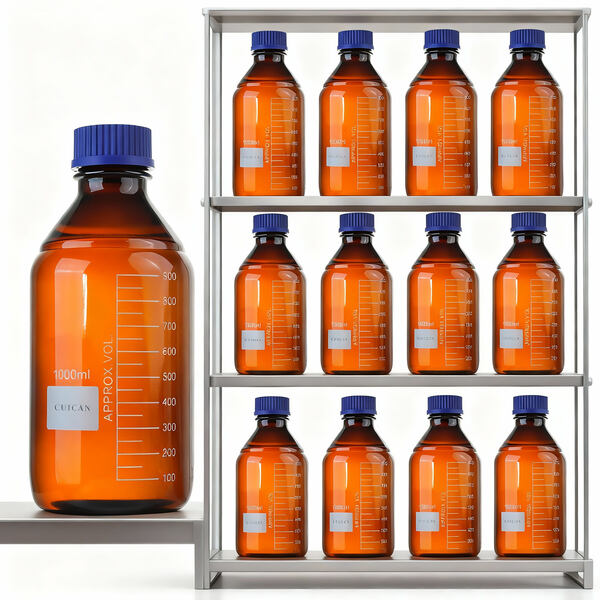
The pharmaceutical packaging industry has witnessed significant evolution in recent years, particularly in the design and manufacturing of cough syrup bottles. These specialized containers require meticulous attention to safety features, regulatory compliance, and user-friendly design elements. Manufacturers in today's competitive market must prioritize both product integrity and consumer safety when developing packaging solutions for liquid medications.
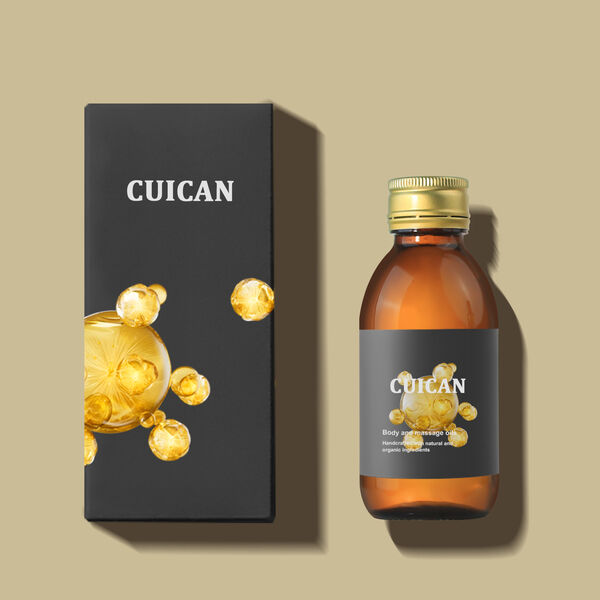
Modern pharmaceutical packaging demands have transformed the way manufacturers approach bottle design for liquid medications. The complexity of ensuring product stability, preventing contamination, and maintaining dosage accuracy has led to innovative safety features that go beyond traditional packaging methods. Understanding these requirements is essential for manufacturers seeking to meet both regulatory standards and market expectations in the pharmaceutical industry.
Essential Safety Features in Modern Pharmaceutical Packaging
Tamper-Evident Closures and Security Mechanisms
Tamper-evident closures represent one of the most critical safety features in pharmaceutical packaging. These mechanisms provide visual evidence if a product has been compromised or opened prior to consumer purchase. Modern designs include breakaway bands, induction seals, and specialized cap designs that clearly indicate any unauthorized access attempts. The implementation of these features has become mandatory in many jurisdictions due to historical incidents involving product tampering.
Advanced security mechanisms extend beyond basic tamper evidence to include child-resistant closures that prevent accidental ingestion by minors. These closures typically require simultaneous pushing and turning motions or specific force applications that are difficult for children under five years of age to accomplish. The balance between child safety and senior accessibility remains a key design challenge that manufacturers must address through innovative closure technologies.
Material Selection and Chemical Compatibility
The selection of appropriate materials for cough syrup bottles requires comprehensive understanding of chemical compatibility between packaging materials and pharmaceutical formulations. High-density polyethylene, polypropylene, and specialized glass compositions are commonly used materials that offer varying levels of chemical resistance and barrier properties. Each material choice impacts product stability, shelf life, and interaction potential with active pharmaceutical ingredients.
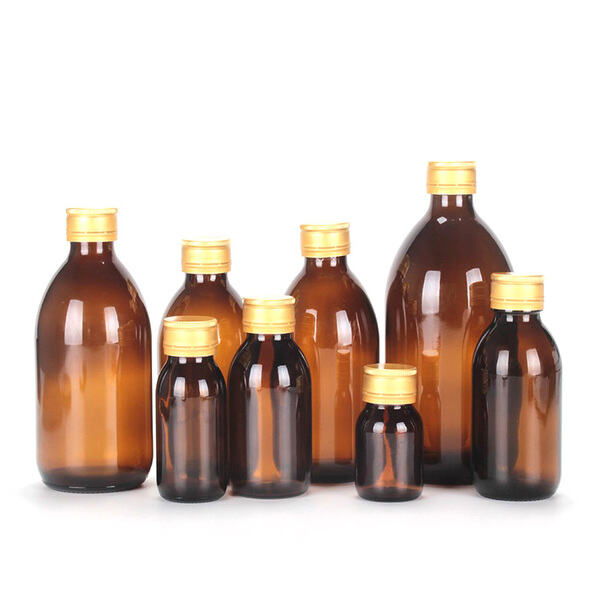
Barrier properties play a crucial role in maintaining medication efficacy throughout the product lifecycle. Oxygen transmission rates, moisture vapor transmission, and light protection capabilities must be carefully evaluated based on specific formulation requirements. Some cough syrups contain light-sensitive compounds that necessitate amber or opaque bottle materials, while others require enhanced oxygen barriers to prevent oxidation and degradation of active ingredients.
Regulatory Compliance and Quality Standards
FDA Guidelines and International Standards
Compliance with Food and Drug Administration guidelines represents a fundamental requirement for pharmaceutical packaging manufacturers. These regulations encompass material safety, manufacturing processes, quality control procedures, and documentation requirements. The FDA's Container Closure Guidance provides specific recommendations for pharmaceutical packaging systems, including requirements for extractables and leachables testing, stability studies, and compatibility assessments.
International standards such as ISO 15378 for pharmaceutical packaging materials establish additional quality management requirements that manufacturers must implement. These standards address risk management, design controls, and manufacturing processes specific to pharmaceutical applications. Compliance with multiple international standards enables manufacturers to access global markets while ensuring consistent quality and safety across different regulatory jurisdictions.
Good Manufacturing Practice Implementation
Good Manufacturing Practice protocols require comprehensive documentation and control of manufacturing processes, environmental conditions, and quality assurance procedures. Temperature and humidity control during manufacturing and storage phases directly impact product quality and safety. Clean room environments, personnel training, and equipment calibration represent essential elements of GMP compliance that manufacturers must maintain consistently.
Validation processes for manufacturing equipment and procedures ensure reproducible quality outcomes across production batches. Statistical process control methods help identify variations in manufacturing parameters that could affect product safety or efficacy. Regular audits and continuous improvement initiatives maintain GMP compliance while identifying opportunities for enhanced safety features and operational efficiency.
Advanced Design Considerations for User Safety
Dosage Accuracy and Measurement Features
Accurate dosage measurement represents a critical safety consideration in cough syrup bottle design. Graduated markings, measurement cups, and integrated dosing systems help prevent medication errors that could result from incorrect dosage administration. Clear, easy-to-read graduation marks with appropriate contrast and sizing accommodate users with varying visual capabilities and lighting conditions.
Specialized dosing accessories such as oral syringes, measuring spoons, and cup designs with spill-resistant features enhance dosage accuracy while reducing waste and contamination risks. Some manufacturers incorporate color-coding systems or tactile indicators to assist users with visual impairments or in low-light conditions. These features contribute to improved medication adherence and reduced risk of dosing errors.
Ergonomic Design and Accessibility Features
Ergonomic bottle design considerations include grip surfaces, appropriate bottle dimensions, and weight distribution that accommodate users with limited dexterity or strength. Textured surfaces and contoured shapes provide enhanced grip security, particularly important for elderly users or those with arthritis or other conditions affecting hand strength and coordination. The balance between bottle size and liquid volume affects handling characteristics and storage requirements.
Universal design principles ensure accessibility for users with diverse physical capabilities and limitations. Large print labeling, high contrast color schemes, and intuitive opening mechanisms accommodate users across age ranges and physical abilities. These design elements not only enhance safety but also improve user experience and medication compliance rates among diverse patient populations.
Quality Control and Testing Protocols
Leak Testing and Integrity Verification
Comprehensive leak testing protocols ensure container integrity throughout the product lifecycle, from manufacturing through end-user consumption. Pressure decay testing, vacuum testing, and dye penetration methods provide different approaches to identifying potential leak paths or seal failures. These testing methods must account for various environmental conditions and handling scenarios that products may encounter during distribution and storage.
Integrity verification extends beyond initial manufacturing to include stability testing under accelerated aging conditions and various stress scenarios. Temperature cycling, drop testing, and compression testing simulate real-world conditions that could affect container integrity. Statistical sampling plans and acceptance criteria ensure consistent quality while maintaining cost-effective production processes.
Extractables and Leachables Assessment
Extractables and leachables studies identify potential chemical compounds that may migrate from packaging materials into pharmaceutical products. These assessments require sophisticated analytical techniques and long-term stability studies to characterize interaction potential under various storage conditions. Risk assessment methodologies help determine acceptable levels of potential leachables based on toxicological data and exposure scenarios.
Accelerated testing protocols simulate long-term storage conditions to identify potential chemical interactions within compressed timeframes. These studies support shelf-life determinations and provide confidence in product safety throughout the intended storage period. Regular monitoring and trending of extractables and leachables data help identify potential issues before they affect product quality or patient safety.
FAQ
What are the most important safety features to consider when manufacturing cough syrup bottles
The most critical safety features include tamper-evident closures, child-resistant caps, appropriate material selection for chemical compatibility, accurate dosage measurement capabilities, and leak-proof sealing systems. These features work together to prevent contamination, accidental ingestion by children, medication errors, and product integrity loss during storage and transportation.
How do regulatory requirements impact the design of pharmaceutical bottle packaging
Regulatory requirements significantly influence packaging design through specific guidelines for material safety, manufacturing processes, quality control procedures, and documentation standards. Manufacturers must comply with FDA regulations, international standards like ISO 15378, and Good Manufacturing Practice protocols, which dictate everything from material selection to testing procedures and quality assurance measures.
What testing procedures ensure the safety and integrity of cough syrup bottles
Comprehensive testing procedures include leak testing using pressure decay and vacuum methods, integrity verification through drop and compression testing, extractables and leachables assessment to identify potential chemical migration, stability testing under various environmental conditions, and compatibility studies between packaging materials and pharmaceutical formulations to ensure product safety throughout the shelf life.
How do ergonomic design features contribute to medication safety
Ergonomic design features enhance medication safety by improving dosage accuracy through clear measurement markings and appropriate dosing accessories, ensuring secure grip and handling through textured surfaces and contoured shapes, accommodating users with physical limitations through universal design principles, and reducing the risk of spills or accidents through user-friendly cap and closure mechanisms that balance security with accessibility.
Table of Contents
- Essential Safety Features in Modern Pharmaceutical Packaging
- Regulatory Compliance and Quality Standards
- Advanced Design Considerations for User Safety
- Quality Control and Testing Protocols
-
FAQ
- What are the most important safety features to consider when manufacturing cough syrup bottles
- How do regulatory requirements impact the design of pharmaceutical bottle packaging
- What testing procedures ensure the safety and integrity of cough syrup bottles
- How do ergonomic design features contribute to medication safety