 EN
EN

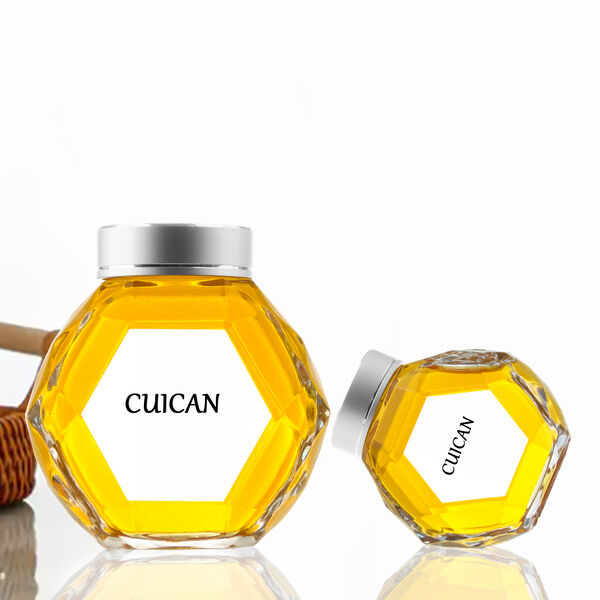
Modern consumers increasingly prioritize sustainable living practices, driving demand for environmentally conscious alternatives to traditional food storage solutions. Eco-friendly food jars represent a significant step toward reducing household waste while maintaining optimal food preservation standards. These reusable containers offer a practical approach to sustainable food storage, combining environmental responsibility with functional design. The transition from disposable packaging to durable glass storage systems reflects growing awareness of environmental impact and long-term cost savings. Understanding the benefits and applications of eco-friendly food jars enables informed decisions for sustainable kitchen management.
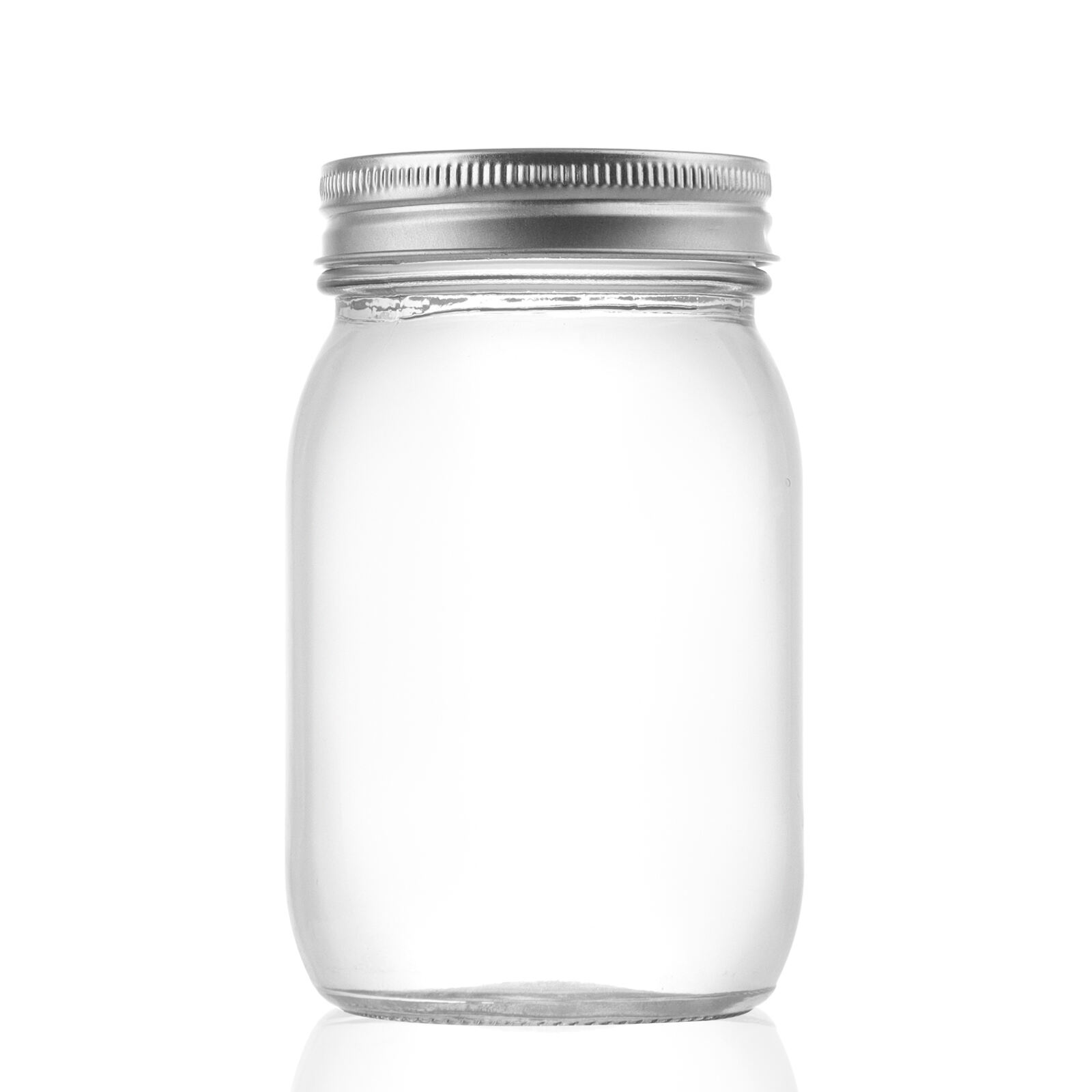
Environmental Impact of Traditional Food Storage
Single-Use Packaging Waste Statistics
Conventional food storage relies heavily on single-use containers that contribute significantly to global waste streams. Plastic containers and disposable packaging materials generate millions of tons of waste annually, with limited recycling capabilities and extended decomposition periods. Research indicates that households using eco-friendly food jars can reduce their packaging waste by up to seventy percent compared to traditional storage methods. The environmental burden of manufacturing, transporting, and disposing of single-use containers far exceeds the initial production impact of durable glass alternatives.
Manufacturing processes for disposable containers consume substantial natural resources while generating harmful emissions throughout production cycles. The cumulative environmental cost includes raw material extraction, energy-intensive manufacturing, packaging, distribution, and eventual waste management. Eco-friendly food jars eliminate recurring waste generation through their reusable design, offering a sustainable alternative that reduces environmental footprint over extended usage periods.
Long-Term Environmental Benefits
Sustainable food storage solutions provide measurable environmental advantages through reduced resource consumption and waste generation. Glass containers maintain their structural integrity through thousands of usage cycles without degradation or contamination concerns. The durability of eco-friendly food jars ensures decades of reliable service, eliminating the need for frequent replacements that characterize disposable alternatives.
Carbon footprint analysis reveals substantial environmental savings when households adopt reusable storage systems. The initial manufacturing impact of glass containers becomes negligible when distributed across their extended service life. Local sourcing and manufacturing of eco-friendly food jars further reduces transportation emissions while supporting regional economies and sustainable business practices.
Health and Safety Advantages
Chemical-Free Food Storage
Glass construction eliminates chemical leaching concerns associated with plastic containers, ensuring food safety and nutritional integrity. Eco-friendly food jars maintain their inert properties throughout their service life, preventing contamination from harmful substances commonly found in plastic alternatives. The non-porous surface of glass containers resists bacterial growth and odor retention, supporting optimal food hygiene standards.
Temperature resistance enables safe storage across various environmental conditions without structural degradation or chemical release. Food stored in eco-friendly food jars maintains its original flavor profile and nutritional content without interference from container materials. The transparency of glass construction allows visual inspection of stored contents, facilitating quality assessment and inventory management.
Preservation and Freshness
Airtight sealing mechanisms in quality glass containers extend food freshness beyond conventional storage methods. The superior barrier properties of eco-friendly food jars prevent moisture infiltration and oxidation that compromise food quality. Proper sealing maintains optimal humidity levels within containers, preserving texture, flavor, and nutritional content of stored items.
Glass containers support various preservation methods including fermentation, pickling, and long-term storage applications. The chemical inertness of glass ensures that preservation processes proceed without interference from container materials. Temperature stability allows eco-friendly food jars to accommodate both refrigerated storage and pantry applications while maintaining food safety standards.
Economic Benefits and Cost Analysis
Initial Investment Considerations
The upfront cost of eco-friendly food jars requires evaluation against long-term savings from eliminated replacement purchases. Quality glass containers represent a one-time investment that provides decades of reliable service without degradation concerns. Comparative analysis demonstrates significant cost savings over multi-year periods when households transition from disposable to reusable storage systems.
Bulk purchasing of food items becomes more economical when supported by adequate reusable storage capacity. Eco-friendly food jars enable efficient portion control and meal preparation strategies that reduce food waste and associated costs. The versatility of glass containers supports various storage applications, eliminating the need for specialized containers for different food types.
Long-Term Financial Benefits
Extended food preservation capabilities reduce grocery shopping frequency and minimize food spoilage expenses. Proper storage in eco-friendly food jars maintains food quality for extended periods, maximizing the value of grocery investments. Reduced reliance on pre-packaged foods supports budget management while promoting healthier dietary choices.
The durability of glass containers eliminates recurring replacement costs associated with damaged or worn storage solutions. Professional food service establishments recognize substantial cost savings through adoption of reusable storage systems. Commercial applications of eco-friendly food jars provide measurable returns on investment through reduced packaging costs and improved food management efficiency.
Practical Applications and Usage
Kitchen Organization Strategies
Systematic organization of pantry items becomes more efficient with standardized glass container systems. Eco-friendly food jars provide visual inventory management through their transparent construction, enabling quick assessment of storage levels and expiration dates. Consistent sizing and stacking capabilities optimize storage space utilization in kitchens with limited capacity.
Labeling systems enhance organization efficiency while maintaining aesthetic appeal of storage areas. The smooth surface of glass containers accommodates various labeling methods without residue concerns. Modular design principles support scalable storage solutions that adapt to changing household needs and seasonal variations in food storage requirements.
Meal Preparation and Planning
Batch cooking and meal preparation benefit significantly from reliable storage systems that maintain food quality. Eco-friendly food jars support portion control strategies while ensuring freshness of prepared meals throughout the week. The microwave and dishwasher compatibility of glass containers simplifies meal preparation and cleanup processes.
Vacuum sealing capabilities extend the preservation period for prepared foods while maintaining nutritional content. The versatility of glass containers supports various preparation methods including marinating, fermenting, and cold storage applications. Professional chefs increasingly adopt eco-friendly food jars for ingredient storage and preparation efficiency in commercial kitchen environments.
Selection Criteria and Quality Features
Material Quality Assessment
High-quality glass construction ensures long-term durability and safety performance in food storage applications. Borosilicate glass provides superior thermal resistance and chemical inertness compared to standard glass alternatives. Quality eco-friendly food jars feature reinforced construction that withstands daily usage without chipping or cracking concerns.
Sealing mechanism quality determines preservation effectiveness and container longevity. Premium containers incorporate food-grade silicone gaskets that maintain airtight seals throughout extended usage periods. The compatibility of sealing systems with dishwasher cleaning cycles ensures hygienic maintenance without degradation of sealing performance.
Size and Configuration Options
Various capacity options accommodate different food storage requirements and household sizes. Small eco-friendly food jars suit spice storage and portion control applications, while larger containers support bulk ingredient storage. The availability of multiple sizes enables efficient space utilization and organized storage systems.
Wide-mouth designs facilitate easy filling, cleaning, and content access for daily usage. Standardized threading systems ensure compatibility across different container sizes and replacement lid availability. The ergonomic design of quality glass containers supports comfortable handling during food preparation and storage activities.
Maintenance and Care Practices
Cleaning and Sanitization
Proper maintenance ensures optimal performance and longevity of glass storage containers. Eco-friendly food jars require regular cleaning with appropriate detergents that maintain glass clarity and hygiene standards. The non-porous surface of glass containers simplifies cleaning processes while preventing bacterial accumulation and odor retention.
Dishwasher compatibility streamlines maintenance routines while ensuring thorough sanitization. High-temperature wash cycles effectively eliminate bacteria and food residues without damaging glass construction. Manual cleaning techniques accommodate situations where dishwasher access is unavailable while maintaining hygiene standards.
Storage and Handling Guidelines
Proper handling techniques prevent damage and extend container service life significantly. Eco-friendly food jars require careful placement and stacking to avoid stress concentrations that could lead to breakage. Temperature gradients should be managed carefully to prevent thermal shock that could compromise glass integrity.
Storage organization systems protect containers from accidental impacts while optimizing accessibility. Protective padding or dedicated storage areas reduce the risk of damage during routine usage. Regular inspection of sealing mechanisms ensures continued performance and identifies potential maintenance requirements before problems develop.
Environmental Certification and Standards
Sustainability Certifications
Recognized environmental certifications validate the sustainability claims of glass container manufacturers. Eco-friendly food jars from certified producers meet rigorous environmental standards throughout their manufacturing and distribution processes. Third-party verification ensures compliance with sustainability practices and environmental impact reduction goals.
Life cycle assessments demonstrate the environmental advantages of glass containers compared to disposable alternatives. Certified manufacturing processes minimize energy consumption and waste generation while supporting recycling programs for end-of-life containers. The transparency of certification processes enables informed consumer decisions based on verified environmental performance data.
Manufacturing Standards
Quality manufacturing standards ensure consistent performance and safety characteristics across production batches. Eco-friendly food jars manufactured according to international standards meet food safety requirements while maintaining environmental performance criteria. Standardized testing procedures validate structural integrity, chemical inertness, and sealing effectiveness.
Continuous improvement processes in manufacturing facilities reduce environmental impact while enhancing product quality. Advanced production techniques minimize material waste and energy consumption during glass container manufacturing. Quality control systems ensure that eco-friendly food jars meet performance specifications before market distribution.
FAQ
How long do eco-friendly food jars typically last with regular use
Quality glass containers can provide decades of reliable service with proper care and handling. The durability of eco-friendly food jars far exceeds plastic alternatives, making them a long-term investment in sustainable food storage. Regular maintenance and careful handling ensure optimal performance throughout their extended service life.
Are glass food storage containers safe for microwave and dishwasher use
Most eco-friendly food jars are designed for microwave and dishwasher compatibility, though specific manufacturer guidelines should be followed. Borosilicate glass construction provides superior thermal resistance for safe heating applications. Always verify temperature limitations and remove metal lids before microwave use to prevent damage.
What capacity sizes are available for different storage needs
Eco-friendly food jars are available in various sizes ranging from small spice containers to large bulk storage options. Common capacities include 250ml, 500ml, 1000ml, and larger sizes to accommodate different household requirements. Multiple sizes enable organized storage systems that maximize space efficiency.
How do glass containers compare to plastic alternatives for food preservation
Glass containers provide superior food preservation through better airtight sealing and chemical inertness compared to plastic alternatives. Eco-friendly food jars maintain food quality without flavor transfer or chemical contamination concerns. The non-porous surface resists staining and odor absorption while supporting optimal food hygiene standards.