 EN
EN

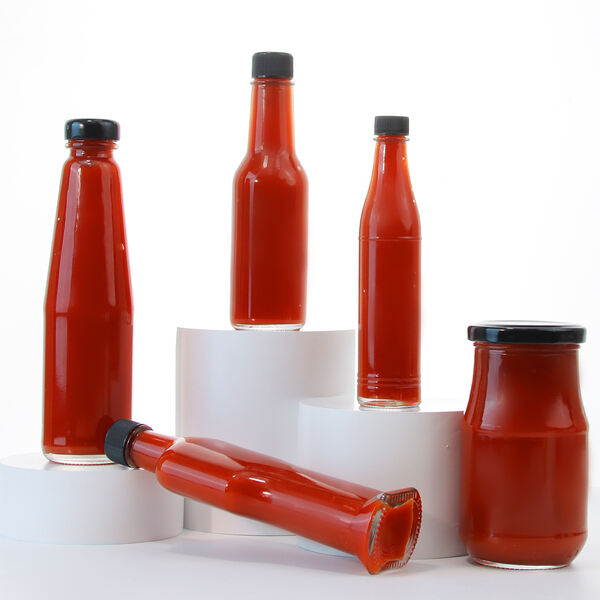
When it comes to food storage solutions, the debate between glass food jars and stainless steel containers continues to capture the attention of home cooks, meal prep enthusiasts, and professional chefs alike. Both materials offer distinct advantages for preserving freshness, maintaining flavor integrity, and ensuring food safety. The choice between glass food jars and stainless steel containers ultimately depends on your specific storage needs, budget considerations, and personal preferences regarding durability and functionality.
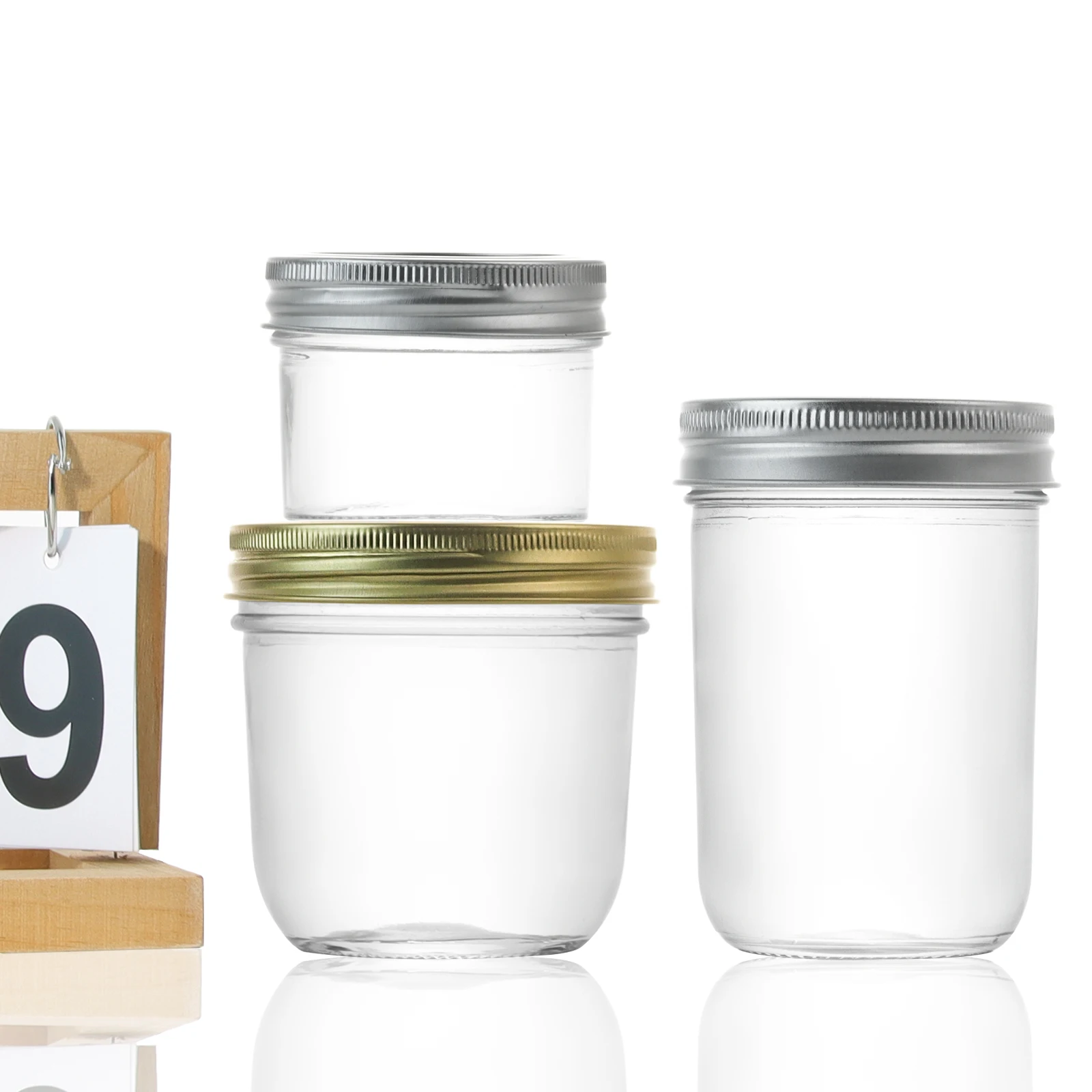
Understanding Material Properties and Food Preservation
Glass Composition and Non-Reactive Nature
Glass food jars are manufactured from silica sand, soda ash, and limestone, creating an inert material that does not interact chemically with stored foods. This non-reactive property ensures that acidic foods like tomatoes, citrus fruits, and vinegar-based marinades maintain their original taste without absorbing unwanted flavors or releasing harmful chemicals. The transparency of glass food jars allows for easy identification of contents and visual inspection of food quality without opening the container.
The molecular structure of glass creates an impermeable barrier that prevents moisture migration and gas exchange, making glass food jars exceptionally effective for long-term storage of dry goods, pickled vegetables, and preserved foods. Unlike plastic containers, glass does not contain phthalates, BPA, or other potentially harmful chemicals that could leach into food over time, especially when exposed to heat or acidic conditions.
Stainless Steel Properties and Durability Features
Stainless steel containers are composed primarily of iron, chromium, and nickel, creating a corrosion-resistant alloy that maintains structural integrity under various storage conditions. The chromium content forms a protective oxide layer that prevents rust formation and maintains the container's appearance over extended periods. Food-grade stainless steel containers are designed to meet strict safety standards and resist bacterial growth on their surfaces.
The thermal properties of stainless steel make these containers excellent for maintaining temperature consistency, whether storing hot soups or keeping cold salads fresh. However, unlike glass food jars, stainless steel containers are opaque, requiring users to label contents or open containers to identify stored items. The durability of stainless steel makes it ideal for outdoor activities, camping, and situations where breakage risk is a primary concern.
Freshness Preservation Capabilities
Airtight Sealing Performance
The effectiveness of food storage containers largely depends on their ability to create and maintain airtight seals that prevent oxidation and moisture infiltration. High-quality glass food jars typically feature rubber gaskets or silicone seals that compress evenly against smooth glass rims, creating superior air-tight barriers. The precision manufacturing of glass rims ensures consistent sealing performance that maintains food freshness for extended periods.
Stainless steel containers often incorporate similar sealing mechanisms, but the flexibility of metal rims can sometimes compromise seal integrity over time. Repeated use and thermal expansion may cause slight warping in stainless steel lids, potentially reducing their sealing effectiveness compared to glass food jars with rigid, unchanging rim surfaces.
Moisture and Odor Control
Glass food jars excel in preventing cross-contamination of flavors and odors between different stored foods. The non-porous surface of glass prevents absorption of strong odors from spices, garlic, or fermented foods, ensuring that subsequent contents maintain their intended flavors. This characteristic makes glass food jars particularly valuable for storing diverse ingredients without flavor transfer concerns.
Stainless steel containers also resist odor absorption but may retain subtle traces of strongly flavored foods, especially those with high oil content. The microscopic surface texture of stainless steel, while smooth to touch, can harbor minute food particles that contribute to lingering odors if not thoroughly cleaned. Regular deep cleaning with appropriate detergents helps maintain the neutral storage environment that both materials should provide.
Temperature Resistance and Thermal Stability
Heat Tolerance Comparisons
Glass food jars demonstrate exceptional thermal stability, withstanding temperature extremes from freezer storage to oven heating without structural damage or chemical changes. Borosilicate glass varieties can handle rapid temperature changes without thermal shock, making them suitable for hot-fill applications and sterilization processes. This versatility allows glass food jars to serve multiple functions beyond simple storage, including food preparation and serving applications.
Stainless steel containers handle high temperatures effectively but may become uncomfortably hot to handle when exposed to direct heat sources. The excellent thermal conductivity of stainless steel can be advantageous for rapid cooling of hot foods but may also cause temperature fluctuations in stored contents when ambient temperatures change. Some stainless steel containers feature double-wall construction to minimize thermal transfer and improve temperature retention.
Freezer Storage Performance
When considering freezer storage applications, glass food jars require careful selection to avoid thermal shock damage. Tempered glass varieties specifically designed for freezer use can safely store soups, sauces, and prepared meals at sub-zero temperatures. However, users must leave adequate expansion space for freezing liquids and avoid placing hot glass food jars directly into freezer environments.
Stainless steel containers excel in freezer storage applications, remaining unaffected by extreme cold temperatures and eliminating concerns about thermal shock or breakage. The durability of stainless steel makes it ideal for frequent freezer-to-counter transitions that might stress glass containers. Additionally, stainless steel containers stack efficiently in freezer spaces and resist the formation of ice crystals on their surfaces.
Cleaning and Maintenance Requirements
Dishwasher Compatibility and Care
Glass food jars typically offer excellent dishwasher compatibility, with most varieties safely withstanding high-temperature wash cycles and aggressive detergents without degradation. The smooth, non-porous surface of glass allows for thorough cleaning that removes all food residues and bacteria, maintaining hygienic storage conditions. However, sudden temperature changes during dishwasher cycles may stress lower-quality glass containers, potentially causing cracks or breakage.
Stainless steel containers generally perform well in dishwasher environments, though some grades may develop water spots or discoloration from mineral deposits in hard water areas. The durability of stainless steel eliminates concerns about breakage during washing cycles, but users should avoid abrasive cleaners that could scratch the surface and create harboring spots for bacteria. Regular maintenance with vinegar solutions helps remove mineral deposits and maintain the lustrous appearance of stainless steel surfaces.
Long-term Durability Considerations
The lifespan of glass food jars depends primarily on careful handling to prevent impact damage, as glass maintains its storage properties indefinitely when intact. Quality glass containers can serve households for decades without degradation of sealing performance or food safety characteristics. Replacement costs typically involve only damaged units rather than systematic replacement due to wear.
Stainless steel containers may experience gradual wear of sealing gaskets and potential denting from impacts, but the metal itself remains structurally sound for extended periods. The replaceable nature of sealing components in many stainless steel designs allows for extended container life through maintenance rather than complete replacement. However, deep scratches or dents may compromise sealing effectiveness and require container replacement sooner than equivalent glass food jars.
Cost Analysis and Value Considerations
Initial Investment Requirements
Glass food jars typically represent a moderate initial investment, with costs varying significantly based on size, quality, and manufacturer specifications. Premium borosilicate glass food jars command higher prices but offer superior thermal resistance and longevity compared to standard soda-lime glass varieties. The transparent nature of glass provides immediate value through easy content identification and attractive presentation for serving purposes.
Stainless steel containers often require higher upfront investment, particularly for double-wall insulated varieties or containers with advanced sealing mechanisms. The durability benefits of stainless steel may justify higher initial costs for users prioritizing longevity and break-resistance. Professional-grade stainless steel containers designed for commercial applications typically offer the best long-term value despite premium pricing.
Replacement and Lifecycle Costs
The replacement frequency for glass food jars primarily depends on handling care and accident prevention, as intact glass maintains its properties indefinitely. Households with children or frequent outdoor use may experience higher replacement rates due to breakage risk. However, the relatively low individual cost of quality glass food jars makes occasional replacement economically manageable for most users.
Stainless steel containers typically require replacement less frequently due to breakage but may need gasket replacement or maintenance over time. The higher individual cost of stainless steel containers means that damage or loss represents a more significant economic impact. However, the extended lifespan and reduced replacement frequency often result in lower total cost of ownership over time compared to repeatedly replacing damaged glass food jars.
Environmental Impact and Sustainability
Manufacturing and Resource Consumption
Glass food jars production requires significant energy input for melting raw materials at high temperatures, but the manufacturing process utilizes abundant natural resources like sand and limestone. The recyclability of glass allows for indefinite reprocessing without quality degradation, making glass food jars an environmentally sustainable choice when properly recycled. Many manufacturers now incorporate recycled glass content to reduce environmental impact while maintaining product quality.
Stainless steel container manufacturing involves mining and processing of metal ores, which carries environmental costs related to extraction and refinement processes. However, stainless steel's durability means fewer replacement cycles, potentially offsetting higher manufacturing impact through extended use periods. The recyclability of stainless steel also supports circular economy principles, though the recycling process requires less energy than primary steel production.
End-of-Life Disposal Options
Glass food jars offer excellent end-of-life disposal options through comprehensive recycling programs available in most communities. The infinite recyclability of glass means that properly disposed containers contribute to new glass production without quality loss. Additionally, glass food jars frequently find second lives through repurposing for crafts, storage, or decorative applications, extending their useful life beyond food storage.
Stainless steel containers similarly offer excellent recycling opportunities through scrap metal collection systems. The high value of stainless steel scrap provides economic incentives for proper recycling, ensuring high recovery rates in areas with established metal recycling infrastructure. The durability of stainless steel also supports extensive reuse and repurposing applications before eventual recycling becomes necessary.
FAQ
Do glass food jars really keep food fresher longer than stainless steel containers
Glass food jars and high-quality stainless steel containers perform similarly in maintaining food freshness when both feature effective airtight sealing systems. The key difference lies in glass's complete non-reactivity, which prevents any flavor transfer or chemical interaction with stored foods. Stainless steel containers may occasionally retain traces of strong flavors, but both materials effectively preserve food quality when properly sealed and maintained.
Which material is safer for storing acidic foods like tomatoes or citrus
Glass food jars provide superior safety for acidic food storage due to their completely inert nature. Glass cannot react with acidic foods, ensuring no metallic taste development or chemical leaching. While food-grade stainless steel resists corrosion from acidic foods, prolonged contact with highly acidic substances may cause minimal metallic ion migration, making glass the preferred choice for long-term acidic food storage.
Can both glass and stainless steel containers go from freezer to microwave safely
Glass food jars designed for thermal cycling can safely transition from freezer to microwave, provided they are specifically rated for such temperature changes. Stainless steel containers cannot be used in microwave ovens due to metal's interaction with microwave radiation. For maximum versatility including microwave use, borosilicate glass food jars offer the best option for temperature-flexible food storage and reheating applications.
How do replacement costs compare between glass and stainless steel over time
Stainless steel containers typically offer lower long-term replacement costs despite higher initial purchase prices, primarily due to their resistance to breakage and extended lifespan. Glass food jars may require more frequent replacement in active households due to breakage risk, but their lower individual cost makes occasional replacement economically manageable. The total cost of ownership depends largely on usage patterns, handling care, and specific quality levels chosen for either material type.
Table of Contents
- Understanding Material Properties and Food Preservation
- Freshness Preservation Capabilities
- Temperature Resistance and Thermal Stability
- Cleaning and Maintenance Requirements
- Cost Analysis and Value Considerations
- Environmental Impact and Sustainability
-
FAQ
- Do glass food jars really keep food fresher longer than stainless steel containers
- Which material is safer for storing acidic foods like tomatoes or citrus
- Can both glass and stainless steel containers go from freezer to microwave safely
- How do replacement costs compare between glass and stainless steel over time