 EN
EN

When it comes to preserving honey's natural purity, flavor, and nutritional benefits, the container you choose makes all the difference. Honey glass jars have emerged as the gold standard for honey storage, offering unmatched protection against contamination, flavor alteration, and quality degradation. Unlike plastic or metal containers that can interact with honey's natural acids and enzymes, glass provides a completely inert storage environment that maintains honey's original characteristics indefinitely.
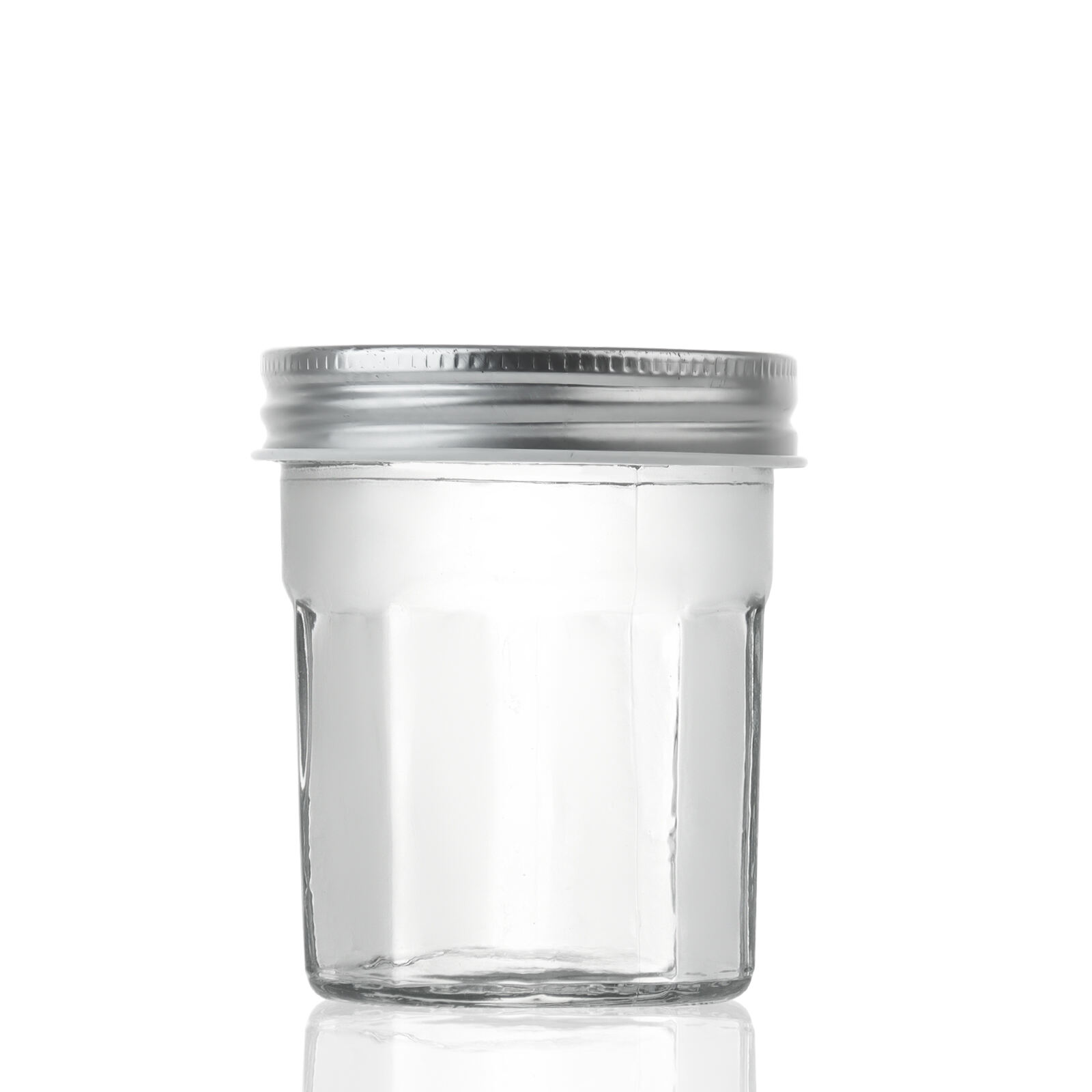
The superiority of honey glass jars extends beyond simple storage functionality to encompass food safety, environmental sustainability, and long-term economic value. Professional beekeepers, commercial honey producers, and discerning consumers consistently choose glass containers because they understand that honey's exceptional shelf life and therapeutic properties depend entirely on proper storage conditions. This comprehensive analysis reveals why glass remains the optimal choice for honey storage across all applications, from small-batch artisanal production to large-scale commercial distribution.
Chemical Inertness and Purity Preservation
Non-Reactive Surface Properties
The fundamental advantage of honey glass jars lies in their completely non-reactive surface chemistry. Glass consists of silica-based compounds that form an inert barrier between honey and external environmental factors. This chemical stability ensures that no molecular exchange occurs between the container and honey, preserving the product's original enzyme activity, mineral content, and delicate flavor compounds that distinguish high-quality honey from inferior alternatives.
Unlike plastic containers that contain phthalates, BPA, and other chemical additives, honey glass jars maintain absolute chemical neutrality throughout extended storage periods. Honey's natural acidity, which ranges from pH 3.4 to 6.1, can gradually leach chemicals from plastic containers, introducing unwanted flavors and potentially harmful compounds. Glass eliminates this risk entirely, ensuring that honey retains its therapeutic properties and authentic taste profile regardless of storage duration.
Prevention of Contamination Migration
The molecular structure of glass creates an impermeable barrier that prevents microscopic contaminants from penetrating the storage environment. Honey glass jars effectively block bacteria, yeasts, and other microorganisms that could compromise honey's natural preservation properties. This protection becomes particularly crucial for raw honey varieties that retain beneficial enzymes and probiotics, which require sterile storage conditions to maintain their health-promoting characteristics.
Glass containers also prevent the absorption of external odors and flavors that commonly affect honey stored in porous materials. The dense, non-porous surface of honey glass jars ensures that environmental contaminants cannot influence honey's sensory characteristics, preserving the distinct terroir and floral notes that reflect the specific geographic region and botanical sources from which the honey originated.
Superior Moisture and Air Barrier Properties
Humidity Control Excellence
Honey's exceptional shelf life depends critically on maintaining optimal moisture content below 18.5 percent. Honey glass jars provide superior moisture barrier properties compared to alternative storage materials, preventing humidity absorption that could trigger fermentation or crystallization problems. The tight seal achievable with glass lids creates an airtight environment that maintains honey's natural moisture equilibrium indefinitely.
Glass containers eliminate the gradual moisture permeability issues associated with plastic storage solutions. Over time, plastic containers allow microscopic water vapor transmission that can slowly increase honey's moisture content, potentially leading to quality degradation and reduced shelf life. Honey glass jars maintain consistent internal humidity levels, preserving honey's natural antimicrobial properties and preventing unwanted textural changes.
Oxygen Exclusion Benefits
The airtight seal provided by properly fitted honey glass jars creates an oxygen-free storage environment that prevents oxidative degradation of honey's beneficial compounds. Exposure to oxygen can gradually diminish honey's antioxidant capacity, reduce enzyme activity, and alter flavor profiles through slow chemical reactions. Glass containers with quality sealing mechanisms effectively exclude atmospheric oxygen, maintaining honey's nutritional and therapeutic value.
This oxygen barrier becomes particularly important for maintaining the stability of honey's volatile aromatic compounds, which contribute to its distinctive flavor and fragrance characteristics. Honey glass jars preserve these delicate components that would otherwise dissipate or chemically alter in less protective storage environments, ensuring that consumers experience the full sensory complexity of premium honey products.
Temperature Stability and Thermal Protection
Heat Resistance Advantages
Glass exhibits exceptional thermal stability that protects honey from temperature-related quality degradation. Honey glass jars can withstand significant temperature fluctuations without structural compromise or chemical changes that might affect the stored product. This thermal resilience proves essential for honey storage in varying climate conditions, from commercial warehouses to home pantries with fluctuating temperatures.
The thermal mass of glass also provides natural temperature buffering that protects honey from rapid temperature changes. Sudden temperature shifts can cause honey to expand and contract, potentially introducing air bubbles or affecting crystallization patterns. Honey glass jars moderate these temperature transitions, maintaining more stable internal conditions that preserve honey's smooth texture and appearance.
UV Light Protection
Many honey glass jars feature amber or dark-colored glass that provides excellent protection against ultraviolet light degradation. UV exposure can break down honey's beneficial enzymes, reduce antioxidant activity, and cause color changes that affect product appeal. Dark glass containers filter harmful wavelengths while allowing visual inspection of honey quality and level.
Even clear honey glass jars offer superior light protection compared to plastic alternatives because glass density provides natural UV filtering properties. This protection becomes particularly important for honey varieties with light-sensitive compounds or for products stored in bright retail environments where extended light exposure could compromise quality over time.
Sustainability and Economic Advantages
Environmental Impact Considerations
The sustainability profile of honey glass jars significantly exceeds that of disposable plastic containers. Glass containers can be reused indefinitely for honey storage without quality degradation, reducing waste generation and environmental impact. Unlike plastic containers that become brittle and develop microscopic cracks over time, glass maintains its structural integrity and protective properties through countless use cycles.
Recycling capabilities further enhance the environmental benefits of honey glass jars. Glass recycling processes can transform used containers into new glass products with minimal quality loss, creating a circular economy that reduces raw material consumption. The longevity and recyclability of glass containers align with sustainable business practices increasingly valued by environmentally conscious consumers and commercial honey operations.
Long-Term Cost Effectiveness
While honey glass jars require higher initial investment compared to plastic alternatives, their durability and reusability provide superior long-term economic value. Commercial honey operations can amortize glass container costs across multiple product cycles, reducing per-unit packaging expenses over time. The professional appearance and premium positioning associated with glass packaging also supports higher retail pricing that offsets initial container costs.
The protective properties of honey glass jars reduce product loss from quality degradation, contamination, or premature spoilage. This protection translates directly into improved profit margins for honey producers and retailers by minimizing waste and maintaining product quality throughout extended storage periods. The investment in quality glass containers ultimately pays dividends through reduced product replacement costs and enhanced customer satisfaction.
Professional Presentation and Market Appeal
Premium Positioning Benefits
Honey glass jars convey quality and craftsmanship that resonates with discerning consumers seeking premium honey products. The visual appeal of glass containers enhances product presentation in retail environments, farmers markets, and gift applications. Clear glass allows customers to evaluate honey color, clarity, and texture, building confidence in product quality and authenticity.
The weight and substantial feel of honey glass jars communicates value and permanence that supports premium pricing strategies. Consumers associate glass packaging with artisanal quality and traditional production methods, creating positive brand associations that differentiate products in competitive markets. This premium positioning becomes particularly valuable for specialty honey varieties, organic products, and locally-produced offerings.
Labeling and Branding Opportunities
Glass surfaces provide excellent adhesion for labels and direct printing applications, enabling sophisticated branding and product information display. Honey glass jars accept various labeling techniques including paper labels, heat-shrink bands, and direct screen printing without the adhesion problems common with plastic surfaces. This versatility supports professional packaging presentations that enhance brand recognition and customer appeal.
The smooth surface of glass containers also facilitates easy cleaning and relabeling for reuse applications. Honey producers can remove old labels cleanly and apply new product information without residue or surface damage, supporting efficient inventory management and product rotation in commercial operations.
FAQ
Can honey glass jars prevent crystallization completely?
Honey glass jars cannot prevent crystallization entirely since this is a natural process determined by honey's glucose content and storage temperature. However, glass containers provide optimal conditions for managing crystallization by maintaining consistent temperature and preventing moisture infiltration that could accelerate the process. The non-reactive surface of glass also ensures that crystallized honey can be safely warmed for reliquefaction without container damage or chemical leaching.
Are honey glass jars safe for storing raw honey with active enzymes?
Yes, honey glass jars are the ideal choice for storing raw honey because they provide a completely inert environment that preserves enzyme activity and beneficial compounds. The chemical neutrality of glass prevents any interaction with honey's natural enzymes, maintaining their therapeutic properties indefinitely. Additionally, glass containers can be thoroughly sterilized without chemical residues, ensuring optimal hygiene for raw honey storage.
How do honey glass jars compare to plastic containers for long-term storage?
Honey glass jars significantly outperform plastic containers for long-term storage due to superior barrier properties, chemical inertness, and durability. While plastic containers may allow gradual moisture and oxygen permeation leading to quality degradation, glass provides complete protection against these factors. Glass also eliminates the risk of chemical migration from container materials and maintains honey's original flavor profile throughout extended storage periods.
What size honey glass jars work best for different applications?
The optimal size for honey glass jars depends on intended use and consumption patterns. Small 50ml to 100ml jars work well for sampling, gifts, and specialty varieties, while 200ml to 380ml containers suit household use and regular consumption. Commercial operations often prefer larger sizes for cost efficiency, but smaller jars may command premium pricing and appeal to gift markets. The key is matching jar size to customer needs while maintaining product freshness after opening.