 EN
EN

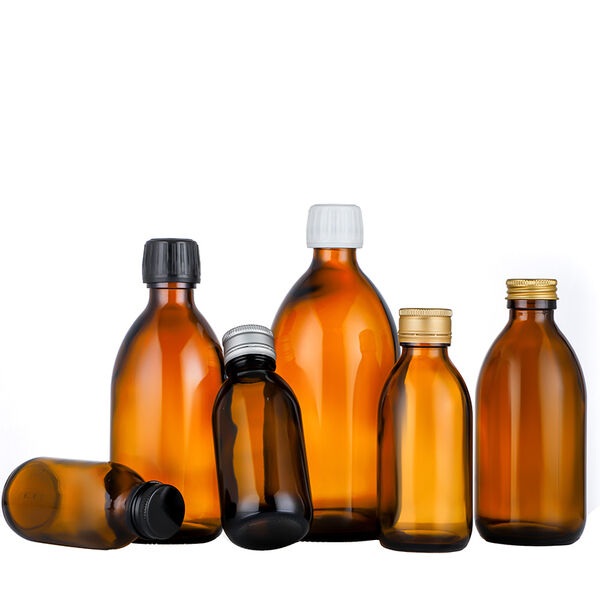
When choosing the right packaging for honey products, the decision between squeeze bottles and traditional honey glass jars significantly impacts both consumer experience and business operations. This fundamental choice affects everything from ease of use and storage to product presentation and manufacturing costs. Understanding the convenience factors of each option helps manufacturers, retailers, and consumers make informed decisions that align with their specific needs and preferences.
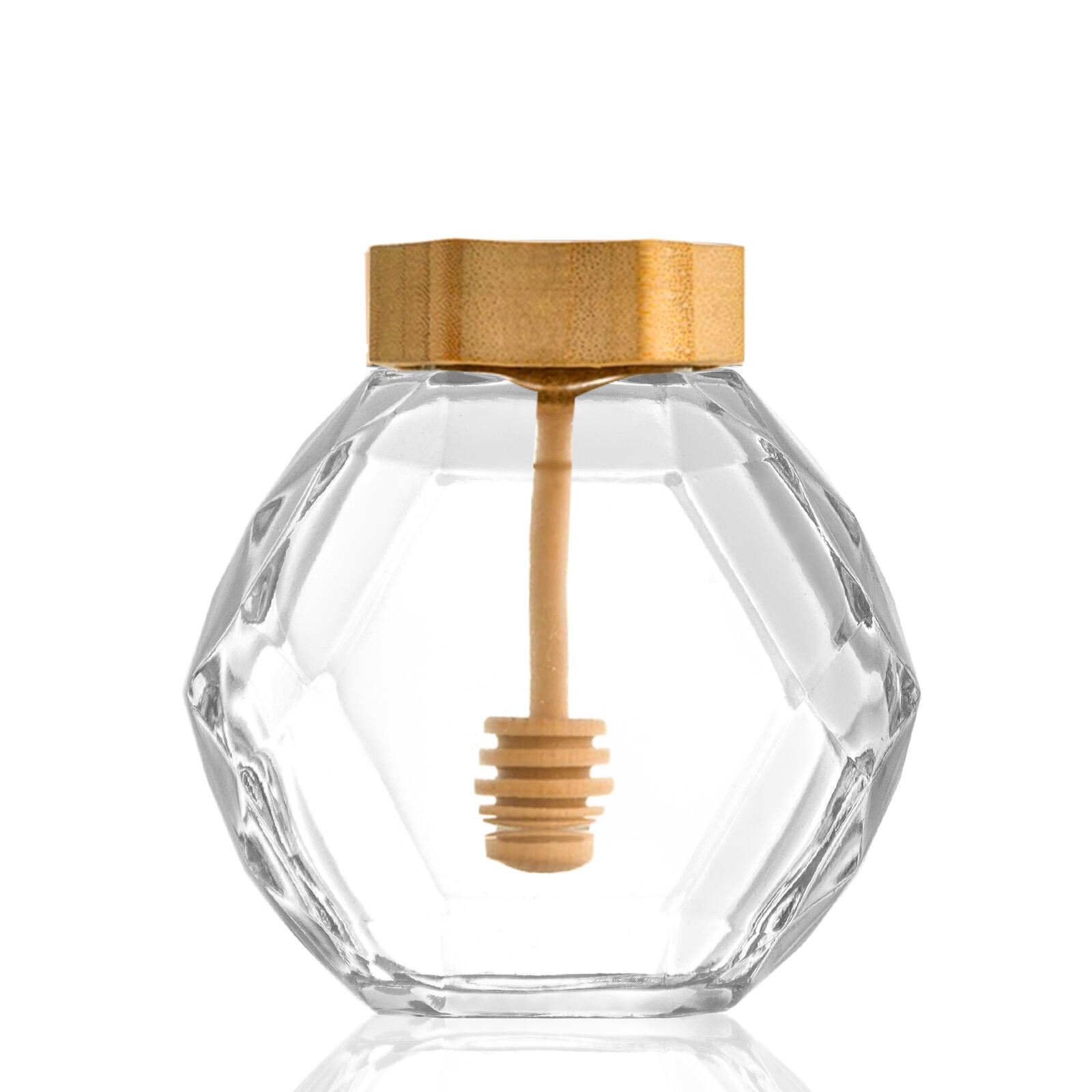
The convenience comparison between squeeze dispensers and traditional honey glass jars involves multiple practical considerations that extend beyond simple aesthetics. While squeeze bottles offer controlled dispensing and reduced mess, traditional honey glass jars provide superior product visibility, premium presentation, and environmental sustainability. Each format serves distinct market segments and usage scenarios, making the choice dependent on target consumer behavior, brand positioning, and operational requirements.
Dispensing Convenience and User Experience
Controlled Flow and Portion Management
Squeeze bottles excel in providing controlled honey dispensing, allowing users to regulate flow rates and portion sizes with minimal effort. The pressure-activated mechanism enables precise application onto toast, pancakes, or tea without the need for additional utensils. This controlled dispensing reduces honey waste and prevents over-pouring, making squeeze bottles particularly appealing for households with children or commercial food service operations where portion control matters.
Traditional honey glass jars require spoons, dippers, or other utensils for extraction, which can lead to dripping and sticky surfaces. However, this method allows users to see exactly how much honey they are removing and provides better control for baking measurements or recipes requiring specific quantities. The visual feedback from honey glass jars helps consumers gauge remaining product levels and plan their purchasing accordingly.
Mess Prevention and Cleanup
The mess factor significantly influences convenience perceptions between these two packaging formats. Squeeze bottles minimize external honey residue since the dispensing mechanism keeps the product contained within the bottle structure. The flip-top or twist caps on squeeze bottles create a sealed system that prevents honey from crystallizing around the opening, reducing the sticky buildup commonly associated with honey storage.
Traditional honey glass jars often develop sticky exteriors due to honey residue on jar threads, lids, and surfaces contacted during scooping. While this creates more cleanup requirements, many consumers appreciate the tactile experience and ritual associated with using honey glass jars. The cleanup process becomes part of the honey consumption experience rather than a convenience barrier for consumers who value traditional presentation.
Storage and Handling Practicality
Kitchen Storage Efficiency
Storage convenience varies significantly between squeeze bottles and honey glass jars based on kitchen organization preferences and available space. Squeeze bottles typically feature uniform cylindrical shapes that stack efficiently in refrigerators, pantries, or countertop storage areas. Their consistent dimensions allow for predictable space planning and organized arrangement alongside other condiments and liquid products.
Honey glass jars come in various shapes including hexagonal, cylindrical, and specialty designs that may require more individualized storage consideration. While some honey glass jars stack effectively, others with unique shapes or wide lids demand dedicated shelf space. However, the transparent nature of glass allows easy product identification and adds visual appeal to kitchen displays, making storage part of the aesthetic experience.
Transportation and Portability
For consumers who transport honey products regularly, packaging convenience becomes a critical factor. Squeeze bottles offer superior portability due to their secure closure mechanisms and reduced likelihood of leakage during movement. The integrated dispensing system eliminates the need to pack separate utensils, making squeeze bottles ideal for camping, picnics, or travel situations where convenience matters most.
Traditional honey glass jars require more careful handling during transportation due to their breakable nature and potential for lid loosening. However, the sturdy construction of quality honey glass jars provides excellent protection for the honey itself, and many consumers prefer the substantial feel and premium presentation that glass packaging provides, even when portability is somewhat compromised.
Product Preservation and Quality Maintenance
Honey Crystallization Management
The crystallization behavior of honey differs significantly between squeeze bottles and traditional honey glass jars, directly affecting long-term convenience. Squeeze bottles with narrow openings can become difficult to use when honey crystallizes, potentially requiring warming or manipulation to restore flow. The opaque nature of many squeeze bottles makes it difficult to assess crystallization status without attempting to dispense the product.
Honey glass jars provide clear visibility of crystallization development, allowing consumers to monitor changes and take appropriate action before the honey becomes difficult to extract. The wide openings of traditional honey glass jars facilitate easy stirring, warming, or crystallization management techniques. This transparency and accessibility make honey glass jars more convenient for long-term storage and quality maintenance over extended periods.
Hygiene and Contamination Prevention
Hygiene considerations play an important role in packaging convenience, particularly for products like honey that are consumed directly. Squeeze bottles minimize contamination risks since users do not insert utensils into the product container, maintaining honey purity throughout the consumption period. The sealed dispensing system prevents exposure to airborne contaminants and reduces bacterial introduction risks.
Traditional honey glass jars require utensil insertion for product extraction, which can introduce contaminants if utensils are not clean or if double-dipping occurs. However, the wide opening allows for easy cleaning and sanitation of the container, and the glass material does not retain flavors or odors that might affect honey quality. Many consumers find the ritual of using clean utensils acceptable given other benefits of glass packaging.
Economic and Environmental Considerations
Cost-Effectiveness and Value Perception
The economic convenience of squeeze bottles versus traditional honey glass jars extends beyond initial purchase price to include long-term value considerations. Squeeze bottles typically cost less to manufacture and ship, potentially offering lower retail prices for equivalent honey quantities. The lightweight plastic construction reduces transportation costs and breakage losses throughout the supply chain, contributing to overall cost efficiency.
Traditional honey glass jars command premium pricing due to higher manufacturing costs and superior perceived value. Consumers often view honey glass jars as providing better value despite higher upfront costs because the containers are reusable for storage, crafts, or other household purposes. This secondary utility extends the practical value of glass packaging beyond the initial honey purchase, making it economically attractive for value-conscious consumers.
Environmental Impact and Sustainability
Environmental convenience increasingly influences packaging choices as consumers prioritize sustainability. Squeeze bottles made from plastic materials raise concerns about recyclability and environmental impact, though some manufacturers now offer recyclable plastic options. The disposal convenience of squeeze bottles varies by local recycling programs and consumer commitment to proper waste sorting.
Honey glass jars provide superior environmental convenience through infinite recyclability and reuse potential. Glass manufacturing requires more energy initially, but the material's durability and reusability often result in lower lifetime environmental impact. The convenience of repurposing honey glass jars for food storage, decorative purposes, or household organization extends their useful life well beyond the original honey consumption period.
FAQ
Which packaging option is better for portion control when using honey?
Squeeze bottles offer superior portion control through their pressure-activated dispensing mechanism, allowing users to precisely control honey flow and quantity. The controlled dispensing reduces waste and enables accurate portioning without additional measuring tools, making squeeze bottles more convenient for portion-conscious consumers and commercial applications.
Do honey glass jars or squeeze bottles keep honey fresh longer?
Both packaging types preserve honey effectively, but honey glass jars provide better long-term freshness due to glass's superior barrier properties and the ability to monitor product condition visually. The wide openings of honey glass jars also facilitate easier quality maintenance and crystallization management, though squeeze bottles prevent contamination through their sealed dispensing systems.
Which option is more practical for families with young children?
Squeeze bottles generally offer more convenience for families with children due to their mess-reducing dispensing system and unbreakable construction. Children can safely use squeeze bottles with minimal supervision, while honey glass jars require more careful handling and create greater cleanup requirements, though some parents prefer glass for its purity and reusability benefits.
Are there situations where traditional honey glass jars are more convenient than squeeze bottles?
Traditional honey glass jars excel in baking applications, long-term storage, and situations requiring precise measurement or product visibility. They are more convenient for consumers who value sustainability, prefer premium presentation, or need to monitor honey crystallization. Glass jars also work better for thick or crystallized honey that might clog squeeze bottle mechanisms.