For any business that relies on packaging—be it a growing food brand, a candle manufacturer, a cosmetic startup, or a farm preserve operation—the procurement strategy can significantly impact the bottom line. The allure of buying in bulk is clear: lower unit costs. However, diving into a large-scale purchase of mason jars bulk or other containers without a strategy can lead to hidden costs and logistical headaches. So, when does sourcing in bulk make undeniable financial and operational sense? Let’s break down the key considerations.
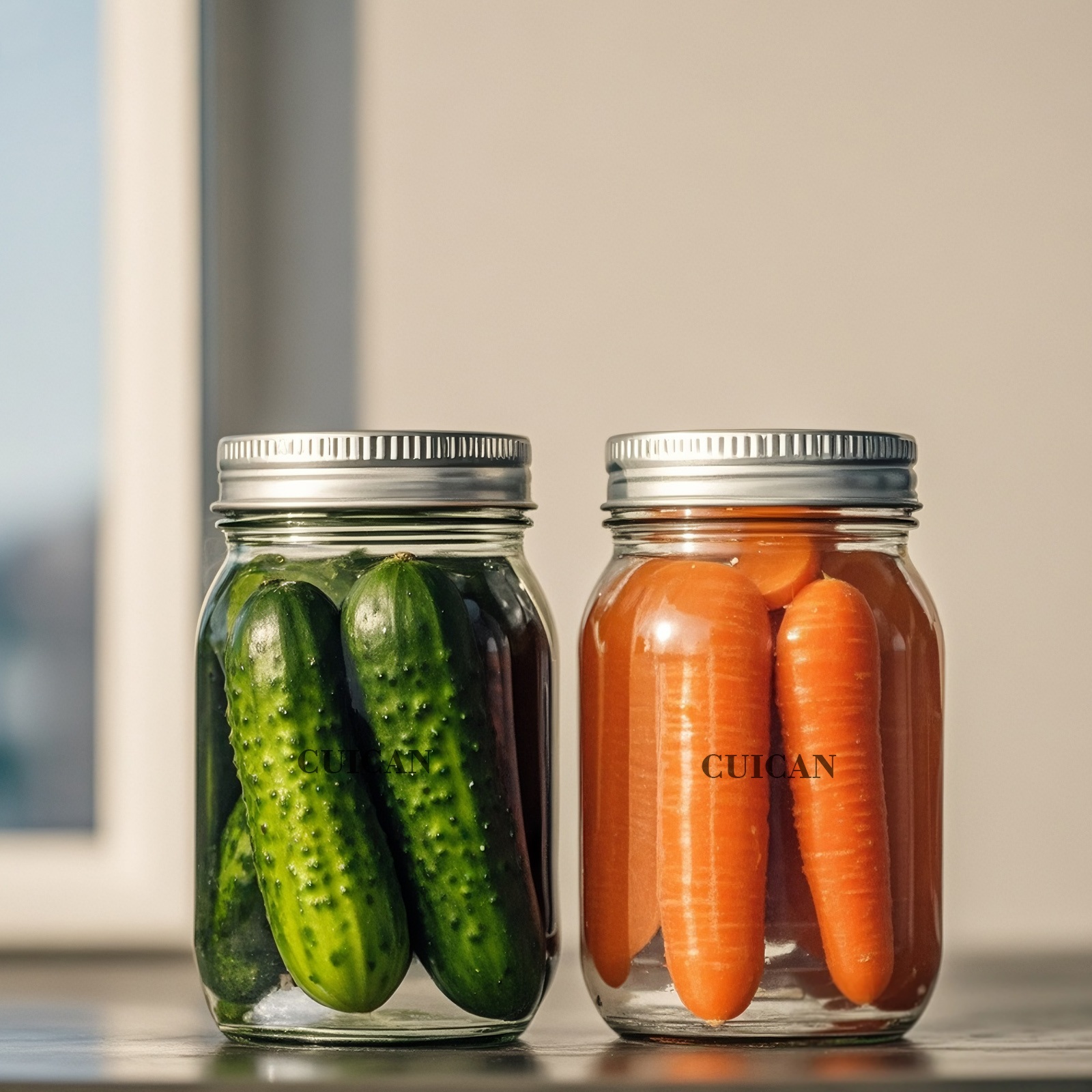
1. Volume and Demand Stability: This is the foundational rule. Bulk purchasing is financially justified when your annual or quarterly usage is predictably high. If your business consistently goes through thousands of 8 ounce mason jars per month for a flagship product, locking in a bulk price secures cost savings and supply stability. However, for new products, seasonal lines, or unpredictable demand, a large bulk order poses a high risk of dead stock, tying up capital and warehouse space.
2. The True Cost Calculation: The financial sense is determined by the total landed cost, not just the sticker price per jar. This calculation must include:
Unit Price Discount: The core savings from a mason jars bulk order.
Freight and Logistics: Larger shipments often have better freight rates per unit. Consolidating orders reduces multiple delivery charges.
Storage and Warehousing: Do you have adequate, cost-effective space to store pallets of food glass jars or candle glass jars? If you need to rent additional space, those costs can erode your unit savings.
Capital Tie-up: The money spent upfront on bulk inventory is not available for other business investments. Calculate the opportunity cost.
Risk of Obsolescence: Is your packaging design likely to change? Will market trends render your current pickle jar or boston bottle style less desirable? Bulk commits you to a single design for a long time.
3. Cash Flow and Supplier Relationships: For a healthy, established business with strong cash flow, investing in bulk can be smart. It also positions you as a valuable, high-volume client to your supplier, like CUICAN, which can lead to better payment terms, priority production slots, and collaborative development on custom food jars or medicine containers.
4. Strategic Sourcing for Diverse Needs: A savvy bulk strategy doesn’t mean putting all your eggs in one basket. Consider a hybrid model:
Core Items in Bulk: Purchase your high-volume, standard workhorse items in bulk—e.g., your primary mason jars bulk for a best-selling product line.
Specialty Items on Demand: Source smaller quantities of specialty items, like unique candle glass jars for limited-edition scents or custom honey glass jars for a gift set, through more flexible ordering.
Consignment or JIT Programs: Explore if your supplier offers Just-In-Time (JIT) programs or consignment stock for certain high-turnover items like beverage bottles, reducing your inventory burden while maintaining supply.
When It Makes Sense:
Your business has predictable, high-volume sales.
You have secure, low-cost storage.
Your packaging design is stable and core to your brand identity.
You seek to minimize supply chain disruptions for critical components.
The price volatility of raw materials (like glass) makes locking in a price advantageous.

When to Proceed with Caution:
You are a startup testing the market.
Your demand is seasonal or unpredictable.
Warehouse space is at a premium.
You anticipate a packaging redesign or product line refresh.
At CUICAN, we partner with our clients to develop intelligent procurement strategies. We don’t just sell mason jars in bulk; we help you analyze your usage patterns, storage capacity, and growth projections. Whether a full-container load of boston bottles is right for you today, or a tailored pallet-mix of coffee glass jars and tomato sauce bottles better suits your needs, we provide scalable solutions. Our goal is to ensure your packaging sourcing is a driver of efficiency and profitability, not a hidden cost center.
In summary, bulk buying makes financial sense when it is a data-driven, strategic decision aligned with your operational reality and growth stage. A thoughtful approach transforms packaging from a simple commodity into a lever for competitive advantage.
 EN
EN