 EN
EN

Pharmaceutical packaging plays a crucial role in brand recognition, product safety, and consumer trust. When it comes to liquid medications, cough syrup bottles represent one of the most challenging yet rewarding packaging opportunities for pharmaceutical brands. The design of these containers must balance functionality with aesthetics while adhering to strict regulatory requirements and ensuring optimal product preservation.
Modern pharmaceutical companies understand that effective packaging extends far beyond basic containment. The strategic design of cough syrup bottles influences purchasing decisions, builds brand loyalty, and communicates quality to healthcare professionals and consumers alike. Custom bottle design offers pharmaceutical brands the opportunity to differentiate their products in an increasingly competitive market while meeting the unique requirements of liquid medication storage.
Essential Design Considerations for Pharmaceutical Bottles
Material Selection and Safety Standards
The foundation of exceptional cough syrup bottles begins with appropriate material selection. High-density polyethylene and polypropylene remain the preferred choices for most pharmaceutical applications due to their chemical resistance and barrier properties. These materials effectively protect liquid medications from environmental factors while maintaining compatibility with various active pharmaceutical ingredients.
Safety considerations extend beyond material compatibility to include child-resistant closures and tamper-evident features. Regulatory bodies worldwide mandate specific safety mechanisms for pharmaceutical packaging, particularly for products containing controlled substances or those posing potential risks to children. The integration of these safety features must be seamless with the overall bottle design aesthetic.
Quality assurance protocols for pharmaceutical packaging materials involve extensive testing procedures including leachability studies, compatibility assessments, and stability testing. These rigorous standards ensure that cough syrup bottles maintain product integrity throughout their intended shelf life while protecting consumers from contamination or degradation.
Ergonomic Design Principles
User experience significantly impacts medication compliance and brand perception. Ergonomic considerations for cough syrup bottles include grip comfort, pour control, and ease of handling for users with limited dexterity. The bottle shape, neck design, and closure mechanism must work harmoniously to create an intuitive user experience.
Dosing accuracy represents another critical ergonomic factor in bottle design. Many modern cough syrup bottles incorporate graduated markings or specialized dispensing mechanisms to facilitate precise dosing. These features must be clearly visible and easily readable under various lighting conditions.
Storage considerations also influence ergonomic design decisions. Pharmaceutical bottles must fit comfortably in standard medicine cabinets while maximizing shelf stability. The base design and center of gravity calculations ensure that bottles remain upright during normal handling and storage conditions.
Branding and Visual Identity Integration
Color Psychology in Pharmaceutical Packaging
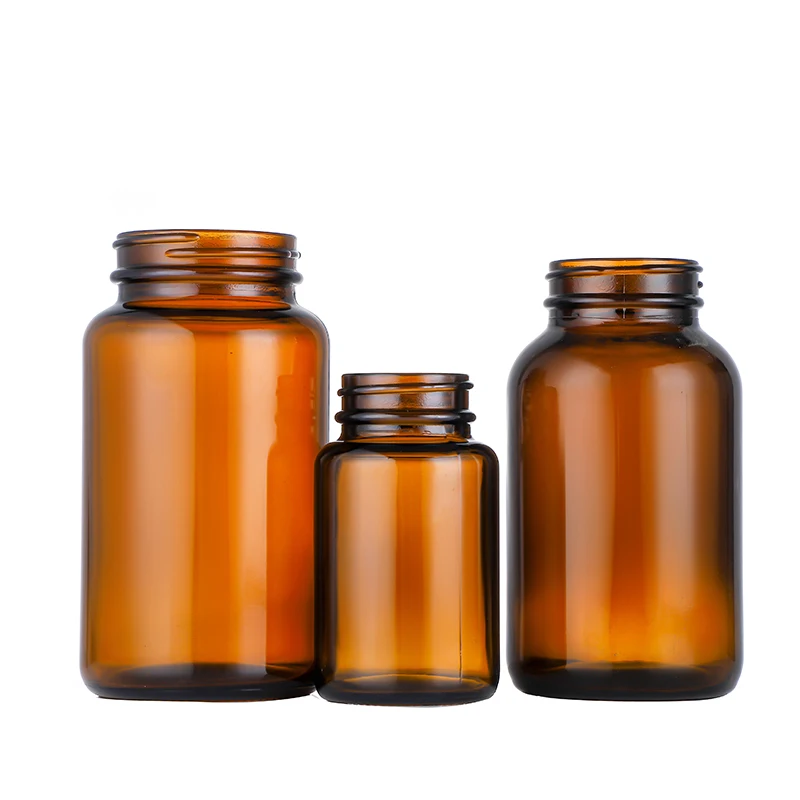
Color selection for cough syrup bottles carries both practical and psychological implications. Traditional amber and cobalt blue bottles provide UV protection for light-sensitive formulations while conveying professionalism and trustworthiness. However, custom coloring options allow brands to establish unique visual identities while maintaining regulatory compliance.
Market research demonstrates that color associations influence consumer perceptions of medication efficacy and safety. Cool colors like blue and green often convey healing and reliability, while warmer tones may suggest comfort and care. The strategic use of color in pharmaceutical packaging must balance brand recognition with consumer expectations and regulatory requirements.
Transparency considerations also affect color choices for cough syrup bottles. While clear bottles allow product visibility, they may not provide adequate light protection for certain formulations. Tinted materials offer compromise solutions that maintain some product visibility while filtering harmful wavelengths.
Label Design and Information Hierarchy
Effective label design for cough syrup bottles requires careful attention to information hierarchy and readability. Regulatory requirements mandate specific information placement and font sizes, but creative design approaches can enhance both compliance and brand appeal. The integration of brand elements with required pharmaceutical information creates cohesive packaging that stands out on pharmacy shelves.
Typography selection impacts both legibility and brand personality. Sans-serif fonts typically provide better readability for small text sizes, while custom typography can enhance brand recognition. The balance between regulatory clarity and creative expression requires expertise in pharmaceutical packaging regulations and graphic design principles.
Digital printing technologies enable variable data printing and serialization capabilities that support track-and-trace requirements while maintaining design integrity. These advanced printing methods allow for complex graphics and security features without compromising the essential pharmaceutical information display.
Manufacturing and Production Considerations
Scalability and Production Efficiency
Custom design implementation for cough syrup bottles must consider manufacturing scalability and production efficiency. Mold design complexity directly impacts tooling costs and production cycle times. Pharmaceutical brands must balance unique design features with manufacturing practicality to achieve cost-effective production volumes.
Production line compatibility represents another crucial factor in bottle design decisions. Custom bottles must integrate seamlessly with existing filling, capping, and labeling equipment or justify the investment in specialized machinery. The relationship between bottle design and production efficiency affects both initial costs and ongoing manufacturing expenses.
Quality control procedures for custom pharmaceutical bottles require specialized testing protocols and measurement equipment. Dimensional consistency, wall thickness uniformity, and closure torque specifications must be monitored continuously to ensure product quality and regulatory compliance throughout production runs.
Supply Chain and Inventory Management
Custom bottle designs impact supply chain complexity and inventory management strategies. Unique packaging components require dedicated storage space and specialized handling procedures. Pharmaceutical companies must evaluate the balance between packaging differentiation and supply chain efficiency when implementing custom bottle designs.
Lead time considerations for custom cough syrup bottles often exceed those of standard packaging options. Mold fabrication, sample approval processes, and initial production runs require extended planning horizons. Effective project management ensures that custom packaging availability aligns with product launch schedules and market demands.
Vendor qualification procedures for custom pharmaceutical packaging involve comprehensive audits of manufacturing capabilities, quality systems, and regulatory compliance. The selection of qualified suppliers ensures consistent product quality and reliable delivery schedules for critical pharmaceutical packaging components.
Regulatory Compliance and Quality Assurance
International Standards and Certifications
Pharmaceutical packaging must comply with diverse international standards and regulations depending on target markets. FDA regulations in the United States, EMA guidelines in Europe, and other regional requirements create complex compliance matrices for global pharmaceutical brands. Custom cough syrup bottles must accommodate these varying requirements while maintaining design consistency.
ISO standards for pharmaceutical packaging provide frameworks for quality management systems and product specifications. Compliance with these standards demonstrates commitment to quality and facilitates market access in regulated jurisdictions. The integration of quality systems with custom bottle design processes ensures consistent compliance throughout product lifecycles.
Documentation requirements for pharmaceutical packaging include detailed specifications, testing protocols, and change control procedures. Custom bottle designs require comprehensive documentation packages that support regulatory submissions and ongoing compliance monitoring activities.
Testing and Validation Protocols
Comprehensive testing protocols for cough syrup bottles encompass physical, chemical, and performance characteristics. Stress testing evaluates package integrity under various environmental conditions, while compatibility studies assess interactions between packaging materials and pharmaceutical formulations.
Accelerated stability testing protocols simulate long-term storage conditions to validate package performance over extended periods. These studies provide critical data for shelf-life determinations and support regulatory filing requirements. The design of custom bottles must accommodate testing sample requirements and facilitate ongoing stability monitoring.
Performance validation extends beyond basic functionality to include user studies and human factors assessments. These evaluations ensure that custom bottle designs meet intended use requirements and identify potential usability issues before market introduction.
Innovation and Future Trends
Smart Packaging Technologies
Emerging technologies offer new possibilities for enhanced functionality in cough syrup bottles. Smart caps with electronic monitoring capabilities can track dosing compliance and provide patient reminders. These innovations require careful integration with traditional bottle designs while maintaining regulatory compliance and user acceptance.
Near-field communication technology enables interactive packaging experiences that provide patients with additional product information, dosing instructions, and adherence support. The implementation of these technologies in pharmaceutical packaging requires consideration of privacy concerns and regulatory approval processes.
Temperature monitoring capabilities integrated into bottle designs provide valuable data for cold-chain management and product quality assurance. These systems help ensure that temperature-sensitive formulations maintain their effectiveness throughout distribution and storage.
Sustainable Packaging Solutions
Environmental sustainability increasingly influences packaging design decisions across pharmaceutical markets. Recyclable materials, reduced packaging weight, and biodegradable options represent growing priorities for pharmaceutical brands seeking to minimize environmental impact while maintaining product safety and efficacy.
Life cycle assessment methodologies help evaluate the environmental impact of custom cough syrup bottles throughout their entire lifecycle. These assessments guide material selection decisions and identify opportunities for environmental improvement without compromising pharmaceutical packaging requirements.
Circular economy principles encourage packaging designs that facilitate material recovery and reuse. Pharmaceutical companies explore innovative approaches to reduce waste while maintaining the high safety and quality standards required for medication packaging.
FAQ
What materials are best suited for custom cough syrup bottles?
High-density polyethylene and polypropylene are the preferred materials for cough syrup bottles due to their excellent chemical resistance, barrier properties, and compatibility with pharmaceutical ingredients. These materials provide optimal protection against moisture, oxygen, and light while maintaining stability over extended storage periods. Glass bottles may also be suitable for certain formulations that require superior barrier properties or enhanced product visibility.
How do regulatory requirements affect custom bottle design options?
Pharmaceutical regulations significantly influence design possibilities for cough syrup bottles through requirements for child-resistant closures, tamper-evident features, and specific labeling information. Design elements must accommodate mandatory safety mechanisms while ensuring adequate space for required product information, warning statements, and regulatory identifiers. Custom designs must undergo thorough regulatory review and approval processes before market introduction.
What factors should be considered when choosing bottle sizes for cough syrups?
Bottle size selection for cough syrups depends on typical dosing regimens, treatment duration, and target patient populations. Common sizes range from 60ml for pediatric formulations to 200ml or larger for family-size products. Considerations include shelf space optimization, shipping efficiency, patient compliance, and manufacturing cost per unit. The bottle design must also accommodate accurate dosing measurements and comfortable handling for the intended user group.
How can custom bottle designs improve medication adherence?
Custom cough syrup bottles can enhance medication adherence through improved ergonomics, clear dosing instructions, and user-friendly features such as easy-grip surfaces and precise measuring capabilities. Visual design elements that clearly communicate dosing information and usage instructions help reduce medication errors. Additionally, unique bottle designs that patients find appealing or convenient to use may encourage better compliance with prescribed treatment regimens.