 EN
EN

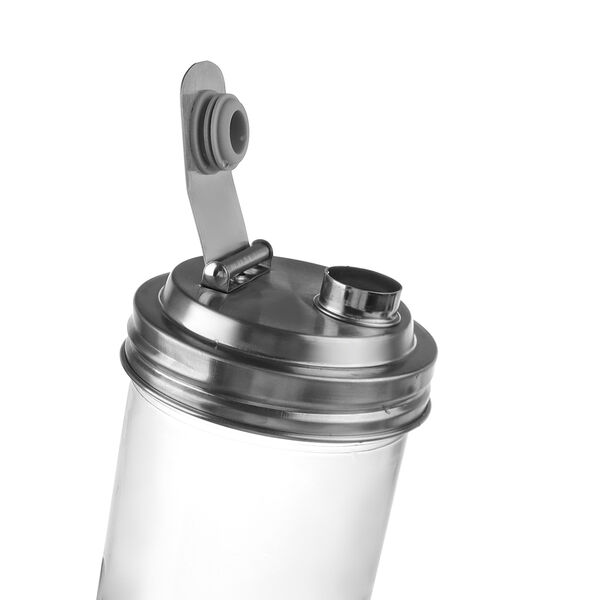
The pharmaceutical industry relies heavily on proper packaging solutions to maintain medication integrity and safety. When selecting appropriate containers for liquid medications, manufacturers must carefully evaluate material properties, regulatory compliance, and patient safety considerations. Cough syrup bottles represent a critical packaging decision that directly impacts product quality, shelf life, and consumer confidence in pharmaceutical products.
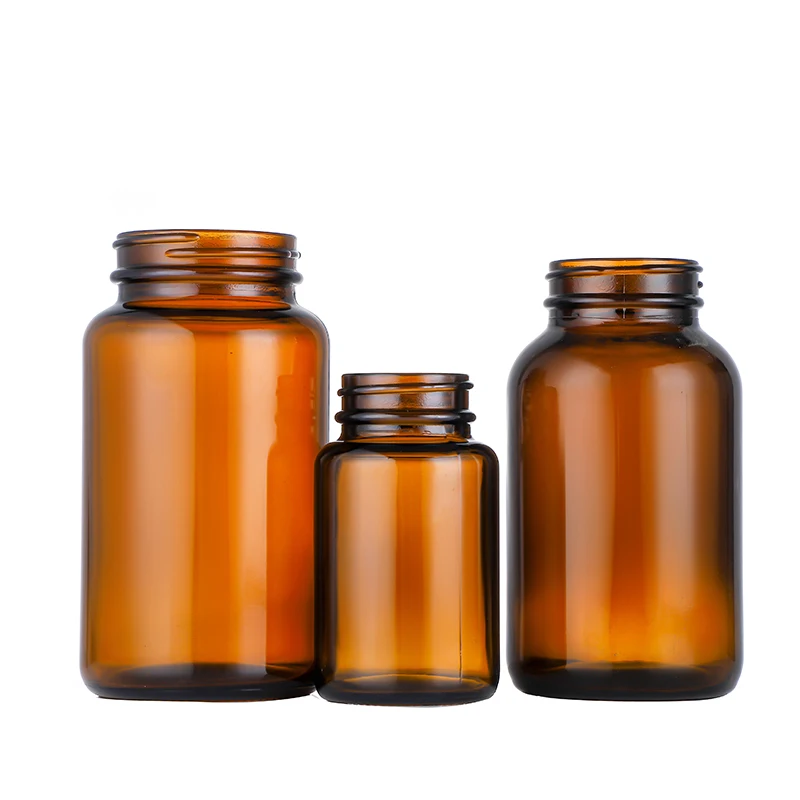
Material selection for pharmaceutical containers involves complex considerations including chemical compatibility, barrier properties, manufacturing costs, and environmental impact. Glass and plastic materials each offer distinct advantages and limitations that pharmaceutical manufacturers must carefully weigh when developing packaging strategies for liquid medications. Understanding these material characteristics enables informed decision-making that balances product safety, regulatory compliance, and commercial viability in competitive pharmaceutical markets.
Glass Material Properties for Pharmaceutical Applications
Chemical Inertness and Stability
Glass containers provide exceptional chemical inertness, making them ideal for sensitive pharmaceutical formulations. The non-reactive surface of glass prevents chemical interactions between container walls and liquid medications, ensuring product stability throughout extended storage periods. This chemical compatibility is particularly important for cough syrup bottles containing active pharmaceutical ingredients that may react with other materials.
Borosilicate glass, commonly used in pharmaceutical applications, exhibits superior thermal shock resistance and lower thermal expansion coefficients compared to standard soda-lime glass. These properties enable cough syrup bottles to withstand temperature fluctuations during manufacturing, distribution, and storage without compromising structural integrity or product quality.
The molecular structure of glass provides excellent barrier properties against moisture, oxygen, and other environmental contaminants that could degrade pharmaceutical products. This barrier protection is essential for maintaining the efficacy and safety of cough syrups, which often contain sensitive active ingredients requiring protection from atmospheric exposure.
Regulatory Compliance and Quality Standards
Glass pharmaceutical containers must meet stringent regulatory requirements established by organizations such as the FDA, EMA, and ICH guidelines. These regulations specify testing protocols for extractable and leachable substances, ensuring that glass cough syrup bottles do not introduce harmful compounds into pharmaceutical products during storage.
Type I borosilicate glass, as classified by the United States Pharmacopeia, represents the highest quality standard for pharmaceutical containers. This classification ensures minimal alkali release and maximum chemical resistance, making it the preferred choice for cough syrup bottles containing pH-sensitive formulations or long-term storage requirements.
Manufacturing quality control for glass containers involves rigorous testing protocols including hydrolytic resistance, thermal shock testing, and dimensional verification. These quality assurance measures ensure that cough syrup bottles consistently meet pharmaceutical grade specifications and maintain product integrity throughout their intended service life.
Plastic Material Advantages in Pharmaceutical Packaging
Design Flexibility and Manufacturing Efficiency
Plastic materials offer significant design flexibility for cough syrup bottles, enabling complex shapes, integrated features, and customized dispensing mechanisms that enhance user experience and medication compliance. Advanced polymer technologies allow manufacturers to create lightweight containers with ergonomic designs that improve handling and reduce shipping costs.
Injection molding and blow molding processes for plastic cough syrup bottles provide excellent dimensional control and high production efficiency. These manufacturing methods enable rapid production cycles, reduced labor costs, and consistent quality output that supports large-scale pharmaceutical manufacturing requirements.
Modern plastic formulations incorporate advanced additives and barrier coatings that enhance performance characteristics while maintaining cost-effectiveness. These technological improvements have significantly expanded the applications of plastic containers in pharmaceutical packaging, including specialized cough syrup bottles designed for specific therapeutic requirements.
Safety Features and Child Resistance
Plastic cough syrup bottles can integrate sophisticated child-resistant closure systems directly into the container design, providing enhanced safety features that protect children from accidental ingestion. These integrated safety mechanisms are often more cost-effective and reliable than separate closure systems used with glass containers.
Tamper-evident features can be molded directly into plastic containers, providing visual indicators of product integrity without requiring additional labeling or secondary packaging components. This integrated approach reduces manufacturing complexity while enhancing consumer confidence in product authenticity and safety.
The lightweight nature of plastic containers reduces the risk of injury from accidental drops or breakage, making them particularly suitable for pediatric cough syrup formulations where safety considerations extend beyond child-resistant closures to include container durability and handling characteristics.
Barrier Properties and Product Protection
Moisture and Oxygen Transmission Rates
Glass containers provide virtually impermeable barriers against moisture and oxygen transmission, offering superior protection for cough syrups containing hygroscopic ingredients or oxidation-sensitive compounds. This barrier performance ensures consistent product quality and extended shelf life under various storage conditions.
Advanced plastic formulations incorporate multi-layer barrier technologies and specialized coatings that significantly reduce permeation rates compared to conventional single-layer containers. These technological improvements have enabled plastic cough syrup bottles to achieve barrier performance approaching that of glass containers for many pharmaceutical applications.
Barrier property evaluation requires comprehensive testing protocols that measure transmission rates under accelerated aging conditions and various environmental stresses. These testing requirements ensure that both glass and plastic cough syrup bottles maintain adequate protection throughout their intended shelf life and storage conditions.
Light Protection and Photostability
Amber-colored glass provides excellent protection against harmful UV radiation that can degrade photosensitive pharmaceutical ingredients commonly found in cough syrups. The consistent light filtration properties of amber glass ensure uniform protection regardless of container thickness or manufacturing variations.
Plastic cough syrup bottles can incorporate UV-blocking additives and colored resins that provide effective light protection while maintaining design flexibility. These formulations enable manufacturers to achieve specific light transmission characteristics tailored to individual product requirements and aesthetic preferences.
Photostability testing protocols evaluate the effectiveness of light protection systems under standardized exposure conditions, ensuring that cough syrup bottles provide adequate protection for photosensitive formulations throughout their commercial lifecycle and distribution channels.
Cost Analysis and Economic Considerations
Manufacturing and Material Costs
Initial material costs for glass cough syrup bottles are typically higher than plastic alternatives due to energy-intensive manufacturing processes and raw material expenses. However, glass containers often provide better long-term value through superior product protection and extended shelf life capabilities that reduce product loss and reformulation costs.
Plastic container manufacturing benefits from lower energy requirements, reduced raw material costs, and higher production speeds that translate into significant cost advantages for high-volume pharmaceutical applications. These economic benefits make plastic cough syrup bottles particularly attractive for cost-sensitive markets and generic pharmaceutical products.
Tooling and equipment investments for plastic container production generally require lower capital expenditures compared to glass manufacturing facilities, enabling smaller pharmaceutical companies to achieve vertical integration and improved supply chain control for their cough syrup packaging needs.
Transportation and Distribution Economics
The lightweight nature of plastic containers significantly reduces shipping costs and environmental impact during distribution of cough syrup products. These transportation savings become particularly significant for global pharmaceutical companies operating extensive distribution networks and multiple manufacturing facilities.
Glass containers require specialized handling and protective packaging during transportation to prevent breakage and product loss. These additional requirements increase logistics complexity and costs but may be justified for high-value pharmaceutical products where container integrity is paramount.
Breakage rates during handling and transportation represent a significant hidden cost for glass cough syrup bottles, particularly in markets with less developed logistics infrastructure. Plastic containers eliminate these breakage costs while maintaining product integrity and reducing insurance requirements for pharmaceutical shipments.
Environmental Impact and Sustainability
Recyclability and Waste Management
Glass containers offer excellent recyclability characteristics, with the ability to be recycled indefinitely without quality degradation. This circular economy potential makes glass cough syrup bottles an attractive option for pharmaceutical companies implementing comprehensive sustainability programs and environmental responsibility initiatives.
Plastic recycling capabilities vary significantly depending on resin type, contamination levels, and local infrastructure availability. Advanced plastic formulations for cough syrup bottles increasingly incorporate recyclable resins and design features that facilitate efficient recycling processes and reduce environmental impact.
Life cycle assessment studies comparing glass and plastic containers must consider energy consumption during manufacturing, transportation emissions, and end-of-life disposal options. These comprehensive analyses provide pharmaceutical companies with data-driven insights for making environmentally responsible packaging decisions for their cough syrup products.
Carbon Footprint and Energy Consumption
Glass manufacturing requires significant energy input for melting raw materials at high temperatures, resulting in higher carbon emissions during production. However, the durability and reusability potential of glass containers can offset these initial environmental costs through extended service life and recycling benefits.
Plastic production generally requires lower energy input and generates fewer direct emissions during manufacturing processes. The lightweight nature of plastic cough syrup bottles also reduces fuel consumption during transportation, contributing to lower overall carbon footprints for pharmaceutical distribution systems.
Renewable energy adoption in manufacturing facilities and improved recycling infrastructure continue to reduce the environmental impact of both glass and plastic container production. These technological and infrastructure improvements are gradually equalizing the sustainability profiles of different materials used for cough syrup bottles.
Regulatory Requirements and Compliance Standards
FDA and International Guidelines
Pharmaceutical packaging regulations require comprehensive documentation and testing to demonstrate container suitability for specific drug products. Both glass and plastic cough syrup bottles must undergo extensive compatibility testing and regulatory review before receiving approval for pharmaceutical applications.
Extractables and leachables testing protocols evaluate potential migration of substances from container materials into pharmaceutical products. These requirements are particularly stringent for cough syrup formulations containing alcohol or other solvents that may increase extraction potential from container walls.
Good Manufacturing Practice guidelines specify requirements for container cleaning, sterilization, and quality control procedures that ensure consistent product quality and patient safety. Both glass and plastic cough syrup bottles must meet these operational requirements while maintaining cost-effectiveness and production efficiency.
Quality Control and Validation Procedures
Container validation protocols require comprehensive testing of physical properties, chemical compatibility, and performance characteristics under various storage conditions. These validation studies provide the scientific foundation for regulatory submissions and support product registration in international markets.
Stability testing programs evaluate container performance over extended periods under accelerated aging conditions and real-time storage studies. Results from these programs demonstrate the suitability of specific cough syrup bottles for intended applications and support shelf life determinations.
Change control procedures govern modifications to container specifications, manufacturing processes, or supplier qualifications that could impact product quality or regulatory compliance. These procedures ensure that any changes to cough syrup bottle specifications are properly evaluated and approved before implementation.
Future Trends and Innovation Opportunities
Smart Packaging Technologies
Emerging technologies enable integration of sensors, indicators, and communication devices into pharmaceutical containers, creating opportunities for enhanced patient monitoring and medication compliance tracking. These smart features can be incorporated into both glass and plastic cough syrup bottles to provide real-time information about product integrity and usage patterns.
Temperature monitoring systems embedded in container walls can provide continuous tracking of storage conditions throughout the supply chain, ensuring that temperature-sensitive cough syrup formulations maintain their efficacy and safety profiles during distribution and storage.
Digital connectivity features enable pharmaceutical companies to gather valuable data about product usage patterns, patient compliance, and supply chain efficiency. This information supports evidence-based decision making for product development and commercial strategy optimization for cough syrup products.
Advanced Material Development
Nanotechnology applications in container materials promise enhanced barrier properties, antimicrobial surfaces, and controlled release mechanisms that could revolutionize pharmaceutical packaging. These advanced materials may enable new functionality in cough syrup bottles while maintaining compatibility with existing manufacturing and regulatory frameworks.
Biodegradable and compostable plastic formulations represent emerging alternatives that could address environmental concerns while maintaining performance characteristics required for pharmaceutical applications. Development of these materials specifically for cough syrup bottles requires careful consideration of regulatory requirements and product compatibility.
Hybrid container designs combining glass and plastic components may optimize performance characteristics while balancing cost, safety, and environmental considerations. These innovative approaches could provide pharmaceutical companies with new options for optimizing cough syrup packaging solutions.
FAQ
What are the main advantages of glass containers for cough syrup packaging
Glass containers offer superior chemical inertness, excellent barrier properties against moisture and oxygen, and complete recyclability. They provide optimal protection for sensitive pharmaceutical formulations and meet the highest regulatory standards for pharmaceutical packaging applications.
How do plastic cough syrup bottles compare in terms of safety features
Plastic containers can integrate child-resistant closures and tamper-evident features directly into the container design. They eliminate breakage risks and provide lightweight handling advantages, making them particularly suitable for pediatric formulations and consumer safety applications.
Which material option provides better long-term cost effectiveness
Cost effectiveness depends on specific application requirements, volume considerations, and distribution factors. Glass typically involves higher initial costs but may provide better value through superior product protection and extended shelf life, while plastic offers lower manufacturing and transportation costs for high-volume applications.
What environmental factors should influence material selection decisions
Environmental considerations include recyclability, carbon footprint during manufacturing and transportation, and end-of-life disposal options. Glass offers unlimited recyclability but requires more energy to produce, while plastic provides transportation efficiency benefits but faces recycling infrastructure challenges that vary by geographic region.
Table of Contents
- Glass Material Properties for Pharmaceutical Applications
- Plastic Material Advantages in Pharmaceutical Packaging
- Barrier Properties and Product Protection
- Cost Analysis and Economic Considerations
- Environmental Impact and Sustainability
- Regulatory Requirements and Compliance Standards
- Future Trends and Innovation Opportunities
- FAQ