 EN
EN

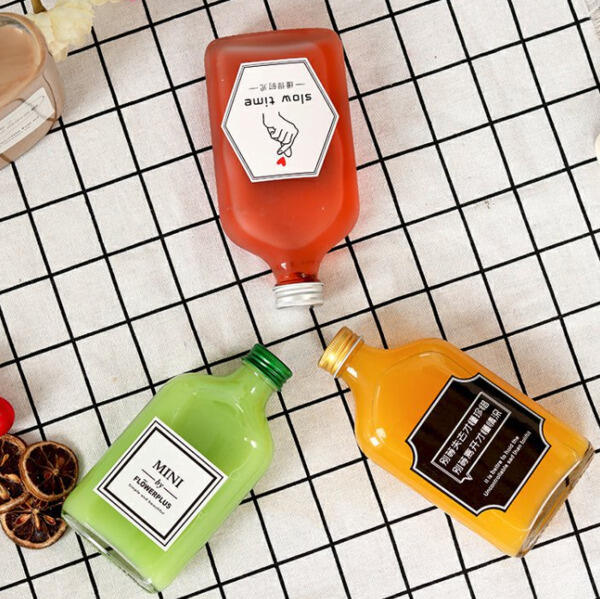
Meal preparation has become an essential practice for busy professionals and health-conscious individuals seeking to maintain nutritious eating habits while managing demanding schedules. The foundation of successful meal prep lies in selecting the right storage containers, and food jars have emerged as the preferred choice for safely storing prepared lunches and maintaining food quality throughout the week. These versatile containers offer superior protection against contamination, preserve freshness longer than traditional plastic alternatives, and provide the durability needed for repeated use in commercial and residential kitchens.
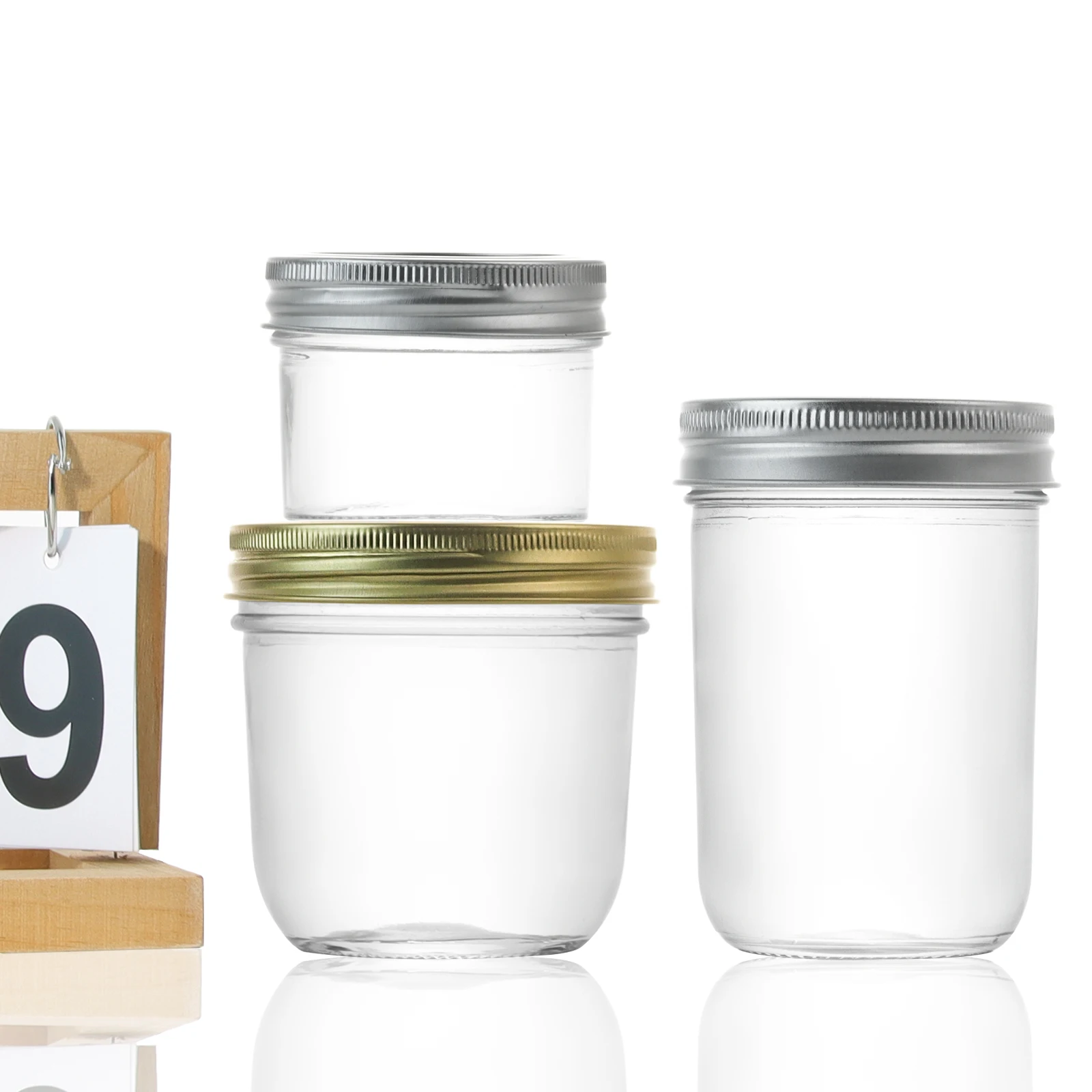
The growing popularity of meal prepping has created unprecedented demand for reliable storage solutions that can accommodate diverse food types while ensuring safety standards are met. Food jars represent the perfect intersection of functionality, safety, and sustainability, making them indispensable tools for anyone serious about meal preparation. Understanding the proper selection, usage, and maintenance of these containers is crucial for maximizing their benefits and ensuring long-term food safety in your meal prep routine.
Essential Features of Quality Food Jars
Material Composition and Safety Standards
The material composition of food jars directly impacts their performance, safety, and longevity in meal prep applications. High-quality food jars are typically manufactured from borosilicate glass, which offers superior thermal resistance and chemical inertness compared to standard soda-lime glass alternatives. This advanced glass composition ensures that no harmful chemicals leach into stored foods, even when subjected to temperature variations commonly encountered during meal prep storage and reheating processes.
Food-grade materials must meet stringent safety regulations established by health authorities to ensure consumer protection. Premium food jars incorporate BPA-free components in their lid systems and sealing mechanisms, eliminating concerns about endocrine-disrupting chemicals that can migrate into stored foods over time. The manufacturing process for quality food jars includes rigorous testing protocols to verify compliance with international food safety standards, ensuring that each container meets the highest safety requirements for direct food contact applications.
Airtight Sealing Technology
Effective sealing technology represents the cornerstone of successful food preservation in meal prep containers. Modern food jars utilize advanced sealing systems that create airtight barriers, preventing oxygen infiltration that leads to food spoilage and nutrient degradation. These sophisticated sealing mechanisms typically incorporate multiple layers of protection, including primary gasket seals and secondary locking systems that ensure consistent performance even after repeated opening and closing cycles.
The precision engineering behind quality sealing systems enables food jars to maintain optimal internal environments for extended periods. Professional-grade sealing technology creates negative pressure within the container, effectively extending the shelf life of prepared meals by inhibiting bacterial growth and oxidation processes. This superior sealing performance is particularly crucial when storing protein-rich foods, dairy-based preparations, and other perishable ingredients commonly used in meal prep routines.
Size Selection and Capacity Planning
Determining Optimal Container Sizes
Selecting appropriate sizes for food jars requires careful consideration of portion requirements, storage constraints, and meal composition factors. Standard meal prep portions typically range from 300ml to 1000ml, depending on the specific food type and individual dietary needs. Smaller food jars in the 100ml to 250ml range are ideal for storing condiments, dressings, and supplementary ingredients that accompany main meal preparations, while larger containers accommodate complete meal portions including proteins, vegetables, and grain components.
Professional meal preppers often maintain a diverse collection of food jars in various sizes to accommodate different storage requirements throughout their weekly preparation cycles. This strategic approach allows for optimal space utilization in refrigerator storage while ensuring that each food component is stored in appropriately sized containers that minimize air exposure and maximize freshness retention. The investment in multiple container sizes pays dividends through reduced food waste and improved meal quality consistency.
Storage Efficiency and Organization
Efficient storage organization becomes significantly easier when using standardized food jars that stack securely and utilize available refrigerator space effectively. Uniform container shapes and sizes enable systematic organization patterns that maximize storage density while maintaining easy access to individual meal components. This organized approach to meal prep storage reduces preparation time and eliminates the frustration associated with searching through cluttered refrigerator spaces.
Strategic size selection for food jars also considers the thermal mass requirements for different food types, as larger containers maintain temperature stability more effectively than smaller alternatives. This thermal performance characteristic is particularly important when storing temperature-sensitive ingredients or when planning meal prep schedules that require extended storage periods before consumption.
Food Safety Protocols and Best Practices
Temperature Control and Storage Guidelines
Maintaining proper temperature control throughout the meal prep process is essential for ensuring food safety and preventing bacterial contamination in stored meals. Food jars must be cooled to room temperature before refrigeration to prevent condensation buildup that can compromise food quality and create environments conducive to bacterial growth. The thermal properties of glass food jars provide excellent temperature retention, but proper cooling protocols must be followed to maintain optimal food safety standards.
Refrigerated storage of prepared meals in food jars should maintain consistent temperatures between 35-38°F to ensure optimal food preservation and safety. Temperature fluctuations caused by frequent refrigerator door openings can compromise food quality, making it essential to position food jars in stable temperature zones within the refrigerator. Professional food safety guidelines recommend consuming refrigerated meal prep within 3-5 days to maintain optimal freshness and minimize food safety risks associated with extended storage periods.
Cleaning and Sanitization Procedures
Proper cleaning and sanitization of food jars between uses is crucial for preventing cross-contamination and maintaining food safety standards in meal prep operations. Effective cleaning protocols begin with immediate rinsing after use to prevent food residues from adhering to container surfaces. Hot water and appropriate detergents should be used to remove all visible food particles and oils that can harbor bacterial growth if not properly eliminated.
Sanitization procedures for food jars should include periodic deep cleaning using approved sanitizing solutions or high-temperature dishwasher cycles that eliminate potential bacterial contamination. The non-porous surface of glass food jars facilitates thorough cleaning and prevents the absorption of odors and stains that can compromise food quality in subsequent uses. Regular inspection of sealing components ensures that gaskets and lids maintain their integrity and continue to provide effective barrier protection for stored foods.
Meal Prep Applications and Techniques
Layered Storage Strategies
Implementing effective layered storage strategies in food jars maximizes freshness retention and prevents ingredient degradation during extended storage periods. The key principle involves positioning ingredients with different moisture contents and storage requirements in optimal configurations that prevent cross-contamination and maintain individual component integrity. Dense, low-moisture ingredients should be placed at the bottom of containers, while delicate or high-moisture components are positioned in upper layers to prevent crushing and moisture migration.
Strategic layering in food jars also considers the intended consumption sequence and heating requirements for prepared meals. Ingredients that require longer heating times or higher temperatures should be positioned to facilitate even heat distribution during reheating processes. This thoughtful approach to ingredient placement ensures that all meal components reach appropriate serving temperatures simultaneously, maintaining food safety while optimizing taste and texture characteristics.
Portion Control and Nutritional Balance
Food jars provide excellent visual portion control capabilities that support nutritional goal achievement and caloric management in meal prep programs. The transparent nature of glass containers allows for accurate assessment of portion sizes and macronutrient distribution, enabling precise control over daily nutritional intake. This visual feedback mechanism helps maintain consistency in meal preparation and supports long-term dietary adherence by providing clear accountability for food choices and quantities.
Professional nutritionists often recommend using standardized food jars for meal prep because the consistent container sizes naturally promote appropriate portion control without requiring complex measurement procedures. This systematic approach to portion management simplifies the meal prep process while ensuring that nutritional targets are consistently met across all prepared meals. The durability of quality food jars supports long-term use, making them cost-effective investments for sustained meal prep programs.
Maintenance and Longevity Considerations
Preventive Care and Handling
Proper handling and preventive care significantly extend the useful life of food jars while maintaining their performance characteristics throughout extended use periods. Gentle handling during cleaning and storage prevents stress fractures and maintains the structural integrity of glass containers. Avoiding extreme temperature changes and impact damage preserves the sealing properties and overall functionality of food jars in demanding meal prep applications.
Regular inspection of food jars for signs of wear, damage, or compromised sealing performance ensures continued food safety and optimal storage conditions. Damaged containers should be immediately removed from service to prevent food contamination and safety hazards. Investment in quality food jars with robust construction and reliable warranty coverage provides long-term value and peace of mind for serious meal prep practitioners.
Replacement and Upgrade Strategies
Developing systematic replacement strategies for aging food jars ensures consistent performance and food safety standards in meal prep operations. Professional food service operations typically establish replacement schedules based on usage frequency and performance monitoring to maintain optimal food storage conditions. Home meal prep enthusiasts can benefit from similar systematic approaches to container management, replacing worn or damaged containers before they compromise food quality or safety.
Technology improvements in food jar design and materials may warrant upgrades to newer container systems that offer enhanced performance characteristics. Evaluating new features such as improved sealing technology, enhanced temperature resistance, or better ergonomic designs can justify investments in upgraded food jars that provide superior performance and convenience in meal prep applications.
FAQ
What size food jars work best for weekly meal prep?
The optimal size for meal prep food jars depends on your specific portion requirements and meal types. For complete meals, 500ml to 1000ml containers work well for most adults, while 250ml to 300ml food jars are perfect for side dishes, snacks, or smaller portions. Many meal prep enthusiasts find success using a combination of sizes: larger containers for main meals and smaller ones for dressings, nuts, or supplementary ingredients that complete their meal prep system.
How long can prepared meals safely stay in food jars?
Properly prepared meals stored in clean, airtight food jars typically maintain safety and quality for 3-5 days when refrigerated at consistent temperatures below 40°F. Protein-rich meals should be consumed within 3 days, while vegetarian preparations may last up to 5 days. Always check for signs of spoilage such as off odors, unusual textures, or visible mold before consuming stored meals, regardless of storage duration.
Can food jars be used for hot meal storage?
High-quality borosilicate glass food jars can safely accommodate hot foods, but proper cooling procedures must be followed to prevent thermal shock and ensure food safety. Allow hot meals to cool to room temperature before sealing and refrigerating in food jars. When reheating, remove metal lids and use microwave-safe settings, or transfer contents to appropriate heating containers to prevent damage to sealing components.
Are glass food jars better than plastic containers for meal prep?
Glass food jars offer several advantages over plastic containers for meal prep applications, including superior chemical resistance, no absorption of odors or stains, and excellent durability that justifies their higher initial cost. Glass containers maintain food quality better over extended storage periods and can safely accommodate temperature changes without releasing harmful chemicals. While plastic containers may be lighter and more portable, glass food jars provide superior long-term performance and food safety characteristics that make them the preferred choice for serious meal prep practitioners.