 EN
EN

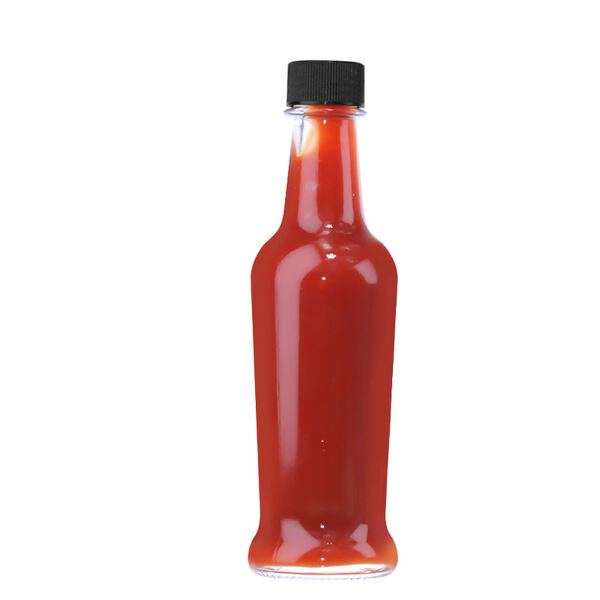
The modern consumer landscape has witnessed a remarkable shift toward sustainable packaging solutions, with food glass jars emerging as a frontrunner in eco-conscious kitchen storage. This transformation reflects growing environmental awareness and a desire for reusable, chemical-free food storage options. Food glass jars have evolved from simple preservation vessels to sophisticated storage solutions that combine functionality with environmental responsibility, making them an essential component of sustainable living.
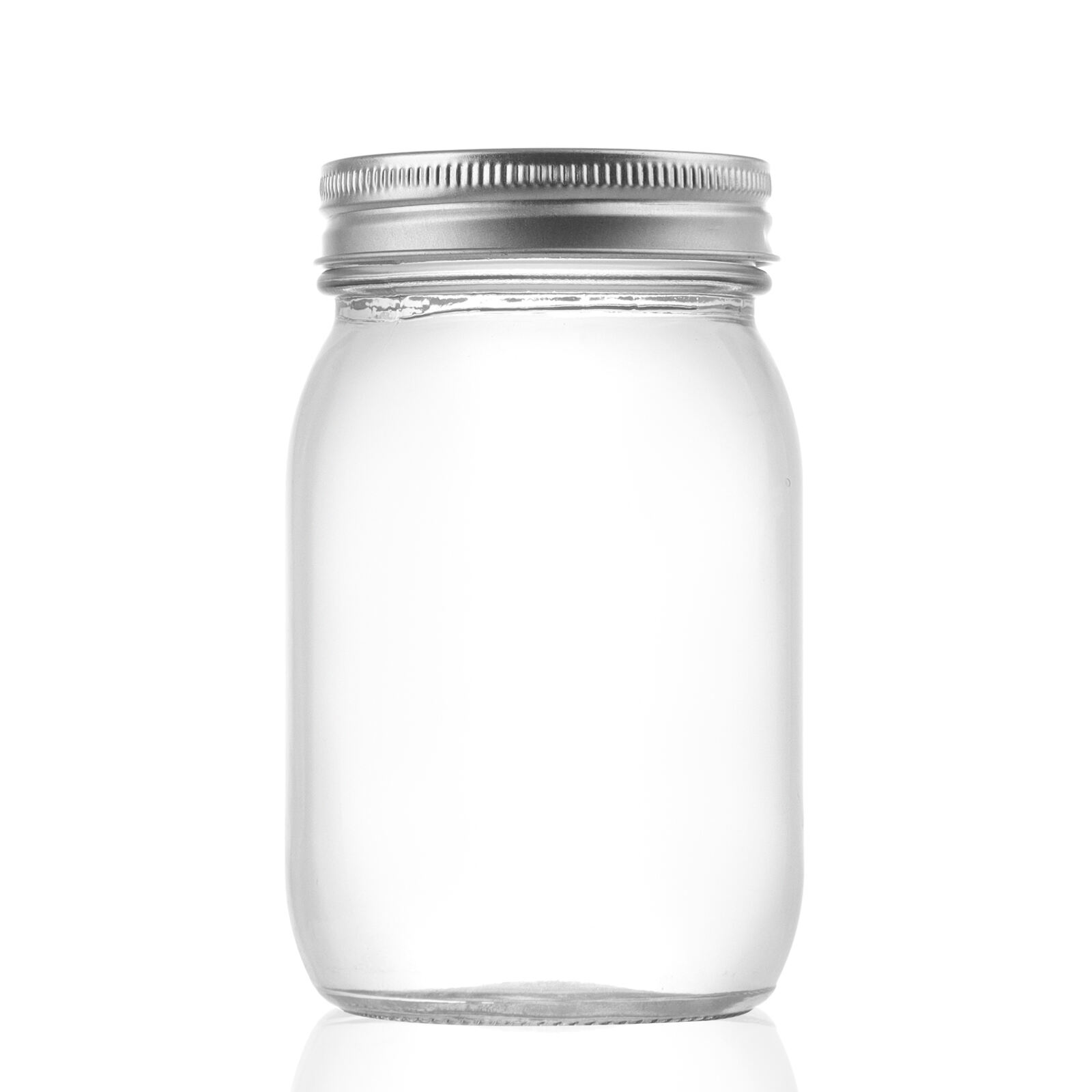
Environmental Benefits of Glass Storage Solutions
Reducing Plastic Waste Through Glass Adoption
The environmental impact of switching to food glass jars extends far beyond individual households, creating a ripple effect throughout the global waste management system. Unlike plastic containers that degrade and release harmful chemicals over time, glass maintains its structural integrity indefinitely when properly cared for. This durability means that a single set of food glass jars can replace hundreds of disposable plastic containers throughout its lifetime, significantly reducing the volume of waste entering landfills and ocean systems.
Manufacturing processes for food glass jars have also become increasingly efficient, with many producers implementing closed-loop recycling systems that minimize raw material consumption. The energy required to recycle glass is substantially lower than producing new plastic alternatives, making food glass jars an environmentally superior choice from both production and disposal perspectives. This circular economy approach ensures that broken or damaged jars can be transformed into new products without quality degradation.
Carbon Footprint Reduction Through Reusability
The reusability factor of food glass jars contributes significantly to reducing overall carbon emissions associated with food storage. Traditional single-use packaging requires continuous production, transportation, and disposal processes that generate substantial greenhouse gas emissions. In contrast, food glass jars eliminate the need for frequent replacements, dramatically reducing the carbon footprint associated with packaging over time.
Studies indicate that households using food glass jars for bulk food storage reduce their packaging waste by up to 70% compared to those relying solely on pre-packaged goods. This reduction translates directly into decreased demand for manufacturing new containers, resulting in lower industrial emissions and reduced pressure on natural resources. The longevity of food glass jars ensures that this environmental benefit compounds over years of use.
Health and Safety Advantages
Chemical-Free Food Storage
Health-conscious consumers increasingly choose food glass jars due to their non-reactive properties that preserve food quality without introducing harmful chemicals. Unlike plastic containers that can leach BPA, phthalates, and other endocrine disruptors into stored food, glass provides an inert barrier that maintains the original taste, nutritional value, and safety of contents. This chemical neutrality makes food glass jars particularly valuable for storing acidic foods, oils, and sensitive ingredients that can react with plastic containers.
The transparency of food glass jars also enables easy visual inspection of stored contents, allowing users to monitor freshness and detect any signs of spoilage before consumption. This visibility factor contributes to food safety by preventing the accidental consumption of deteriorated items that might be hidden in opaque containers. Additionally, the smooth, non-porous surface of food glass jars prevents bacterial growth and odor absorption, maintaining hygienic storage conditions.
Temperature Stability and Versatility
Food glass jars excel in temperature resistance, safely transitioning from freezer to room temperature without structural damage or chemical degradation. This thermal stability allows for versatile storage applications, from preserving seasonal produce through canning to storing prepared meals for convenient reheating. The ability of food glass jars to withstand extreme temperatures makes them suitable for both hot and cold food storage without compromising safety or quality.
Professional kitchens and home cooks alike appreciate the microwave and dishwasher compatibility of food glass jars, which streamlines food preparation and cleanup processes. This convenience factor, combined with superior heat distribution properties, makes glass containers ideal for both storage and serving applications, eliminating the need for transferring food between different vessels.
Economic Benefits and Cost Efficiency
Long-term Investment Value
While the initial investment in quality food glass jars may exceed that of plastic alternatives, the long-term economic benefits make them a financially sound choice for budget-conscious consumers. The durability of food glass jars means they can last decades with proper care, eliminating the recurring costs associated with replacing worn-out plastic containers. This longevity translates into substantial savings over time, particularly for households that frequently store and preserve food items.
The versatility of food glass jars extends their value proposition by serving multiple functions beyond simple storage. These containers can be repurposed for organization, crafts, and decorative applications, maximizing their utility and extending their useful life even beyond food storage needs. This multipurpose nature ensures that even food glass jars that are no longer suitable for food use can continue providing value in other household applications.
Bulk Shopping and Waste Reduction Savings
Food glass jars facilitate bulk shopping practices that can significantly reduce grocery expenses while minimizing packaging waste. By purchasing ingredients in bulk and transferring them to food glass jars for storage, consumers can take advantage of volume discounts while maintaining optimal freshness and organization. This approach typically results in 20-30% savings on staple ingredients compared to purchasing pre-packaged quantities.
The airtight sealing capabilities of quality food glass jars extend the shelf life of stored ingredients, reducing food waste and associated replacement costs. Proper storage in food glass jars can double or triple the usable life of many dry goods, spices, and prepared foods, maximizing the value of grocery investments and reducing the frequency of shopping trips.
Design and Aesthetic Appeal
Modern Kitchen Integration
Contemporary food glass jars combine functional excellence with aesthetic appeal, seamlessly integrating into modern kitchen designs while providing practical storage solutions. The clean lines and transparent nature of food glass jars create visual harmony in organized pantries and refrigerators, allowing contents to become part of the kitchen's decorative scheme. This design versatility makes food glass jars suitable for open shelving displays where storage containers contribute to the overall interior aesthetic.
Premium food glass jars often feature sophisticated closure mechanisms and ergonomic designs that enhance both functionality and visual appeal. These design elements transform utilitarian storage into attractive kitchen accessories that complement high-end appliances and fixtures. The timeless appeal of glass ensures that food glass jars remain stylistically relevant regardless of changing design trends.
Customization and Organization Benefits
The uniform sizing and stackable design of food glass jars facilitate efficient organization systems that maximize storage space while maintaining easy access to contents. Various closure styles and capacity options allow users to create customized storage solutions tailored to specific needs and available space. This modularity enables the creation of cohesive storage systems that grow and adapt as requirements change.
Labeling compatibility makes food glass jars ideal for creating professional-looking pantry organization systems. Whether using traditional paper labels, chalkboard surfaces, or modern digital labeling systems, the smooth surfaces of food glass jars provide excellent adhesion and visibility for identification systems that enhance kitchen efficiency and reduce waste.
Market Trends and Consumer Adoption
Growing Sustainable Living Movement
Market research indicates a substantial increase in demand for food glass jars driven by the expanding sustainable living movement and increased environmental consciousness among consumers. This trend reflects broader societal shifts toward reducing single-use plastics and adopting circular economy principles in daily life. Food glass jars have become symbols of environmental responsibility, appealing to consumers who want their purchasing decisions to align with their values.
Social media influence has amplified interest in food glass jars through aesthetic organization trends and zero-waste lifestyle content. Platforms showcasing beautifully organized pantries featuring food glass jars have inspired millions of consumers to adopt similar storage solutions, creating a viral effect that has driven market growth. This social proof has transformed food glass jars from purely functional items into aspirational lifestyle accessories.
Industrial and Commercial Adoption
Commercial food establishments increasingly specify food glass jars for ingredient storage and presentation, recognizing their dual benefits of functionality and visual appeal. Restaurants, cafes, and specialty food retailers use food glass jars to showcase premium ingredients while maintaining optimal storage conditions. This commercial adoption has elevated the profile of food glass jars and validated their professional-grade performance capabilities.
Food manufacturing companies are responding to consumer demand by packaging products in reusable food glass jars rather than disposable containers. This shift reflects recognition that consumers value packaging that extends beyond the initial product consumption, creating additional brand value and customer loyalty. The premium positioning associated with food glass jars allows manufacturers to justify higher price points while delivering enhanced perceived value.
FAQ
How long do food glass jars typically last with regular use?
Food glass jars can last indefinitely with proper care and handling, making them a lifetime investment for most households. The primary factors affecting longevity are impact damage and seal deterioration. While the glass itself remains chemically stable and structurally sound for decades, rubber seals and metal components may require periodic replacement every 5-10 years depending on usage frequency and storage conditions.
Are food glass jars safe for storing all types of food items?
Food glass jars are safe for storing virtually all food types, including acidic items, oils, and fermented foods that can react with plastic containers. However, highly carbonated beverages should be avoided due to pressure buildup risks, and extremely hot liquids should be allowed to cool slightly before storage to prevent thermal shock. The inert nature of glass makes it ideal for preserving food quality without chemical interaction or flavor transfer.
What maintenance is required to keep food glass jars in optimal condition?
Maintaining food glass jars requires minimal effort, primarily involving regular washing with standard dishware protocols and periodic inspection of sealing components. Avoid extreme temperature changes, such as placing hot jars directly into cold water, to prevent thermal stress fractures. Replace worn seals promptly to maintain airtight storage capabilities, and inspect for chips or cracks that could compromise food safety or container integrity.
How do food glass jars compare to other sustainable storage alternatives?
Food glass jars offer superior durability and chemical inertness compared to most sustainable alternatives like bamboo or stainless steel containers. While other materials may excel in specific applications, food glass jars provide the best combination of transparency for content visibility, temperature resistance, and long-term cost effectiveness. They also offer complete recyclability at end of life, unlike composite materials that may require specialized disposal methods.