 EN
EN

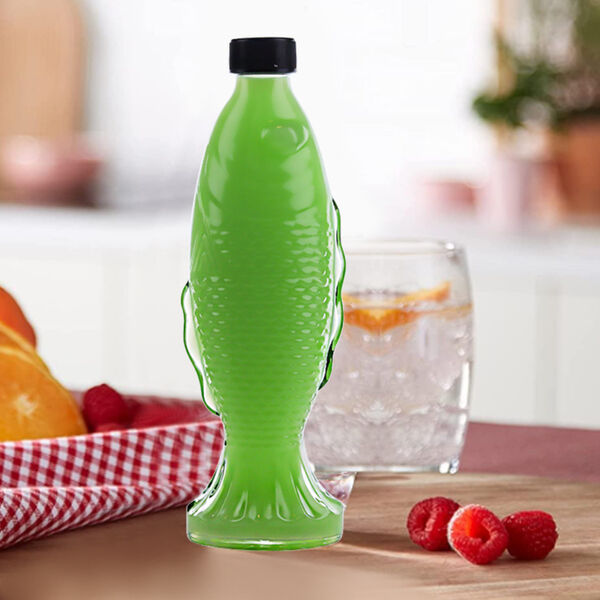
The ongoing debate between glass ketchup bottles and plastic containers has sparked considerable interest among food manufacturers, restaurant owners, and consumers who prioritize taste quality. While both packaging options serve the fundamental purpose of containing and preserving ketchup, the material choice significantly impacts flavor preservation, product integrity, and overall taste experience. Understanding these differences becomes crucial when selecting the optimal packaging solution for premium ketchup products.
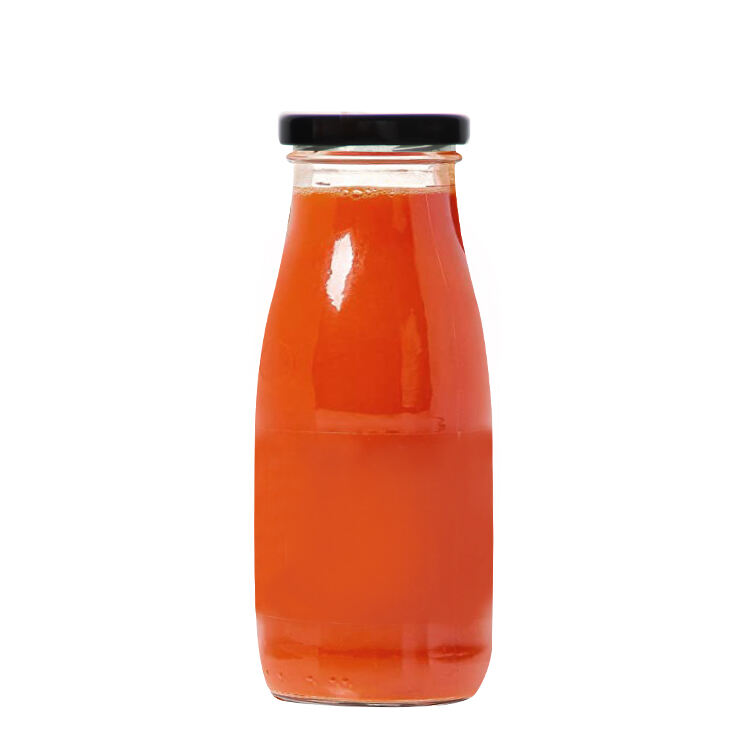
The taste superiority question extends beyond simple preference, involving complex interactions between packaging materials and acidic tomato-based products. Glass ketchup bottles demonstrate distinct advantages in maintaining flavor authenticity, while plastic alternatives offer practical benefits that may compromise taste integrity over time. This comprehensive analysis examines the scientific factors, storage considerations, and real-world applications that determine which packaging material delivers superior taste preservation for ketchup products.
Material Science Behind Taste Preservation
Chemical Inertness and Flavor Protection
Glass ketchup bottles excel in taste preservation due to their chemically inert nature, which prevents unwanted interactions between the container and the acidic ketchup contents. Unlike plastic materials, glass does not absorb flavors, release chemical compounds, or allow flavor migration that can alter the intended taste profile. This inert characteristic ensures that the original ketchup formulation remains unchanged throughout the product's shelf life, maintaining the authentic flavor that manufacturers intended.
The non-porous surface of glass ketchup bottles creates an impermeable barrier that protects against external odors and contaminants that might otherwise penetrate the packaging material. This protection becomes particularly important in retail environments where ketchup bottles may be exposed to various environmental factors that could compromise taste quality. The chemical stability of glass ensures consistent flavor delivery from the first use until the product is completely consumed.
Oxygen Permeability and Freshness Retention
Oxygen exposure represents a critical factor in ketchup taste degradation, and glass ketchup bottles provide superior oxygen barrier properties compared to most plastic alternatives. The minimal oxygen transmission rate through glass helps preserve the vibrant tomato flavors and prevents oxidation reactions that can produce off-tastes or staleness. This enhanced barrier protection maintains the fresh, tangy character that defines quality ketchup products.
Plastic ketchup containers, depending on their material composition, may allow varying degrees of oxygen permeability that can accelerate flavor deterioration over extended storage periods. While advanced plastic formulations have improved barrier properties, they generally cannot match the virtually impermeable nature of glass ketchup bottles in preventing oxygen-induced taste changes. This difference becomes more pronounced in products with longer shelf lives or those stored under challenging environmental conditions.
Storage Environment Impact on Taste Quality
Temperature Stability and Flavor Consistency
Temperature fluctuations significantly affect ketchup taste, and glass ketchup bottles demonstrate superior thermal stability compared to plastic containers. Glass materials maintain consistent dimensional properties across temperature ranges, preventing expansion and contraction cycles that might compromise seal integrity or create pressure variations affecting taste. This stability ensures that ketchup maintains its intended flavor profile regardless of storage temperature variations in warehouses, retail displays, or consumer pantries.
Plastic ketchup bottles may experience thermal expansion and contraction that can affect the product's interaction with the container walls, potentially influencing taste through microscopic changes in surface area contact or seal performance. Glass ketchup bottles eliminate these variables, providing consistent taste delivery that remains unaffected by normal storage temperature ranges encountered in commercial and residential settings.
Light Protection and Flavor Preservation
Ultraviolet and visible light exposure can degrade certain flavor compounds in ketchup, particularly those derived from tomato-based ingredients and natural seasonings. While both glass and plastic ketchup bottles can incorporate light-blocking properties, glass containers often provide more consistent UV protection without the potential for material degradation that might affect plastic containers over time. The stable light-blocking characteristics of tinted or coated glass ketchup bottles ensure long-term flavor protection.
Clear glass ketchup bottles, while offering excellent product visibility, require careful consideration of light exposure during storage and display. However, the inherent stability of glass materials means that any light protection measures implemented will maintain their effectiveness throughout the product's life cycle, unlike some plastic materials that may experience UV-induced degradation affecting both the container and potentially the taste of the contents.
Manufacturing and Processing Considerations
Heat Treatment Compatibility
The pasteurization and sterilization processes essential for ketchup safety and shelf stability work optimally with glass ketchup bottles due to glass's excellent heat resistance and thermal shock tolerance. Glass containers can withstand the high temperatures required for effective thermal processing without experiencing material changes that might affect taste. This compatibility ensures that safety processes enhance rather than compromise the final product's taste quality.
Plastic ketchup bottles require careful selection of heat-resistant materials and processing parameters to avoid thermal damage that could introduce off-flavors or compromise container integrity. While modern plastic formulations can handle pasteurization temperatures, the processing requirements may limit the intensity or duration of heat treatment, potentially affecting the thoroughness of microbial control and long-term taste stability compared to glass alternatives.
Filling Process and Taste Integrity
The filling process for glass ketchup bottles typically involves higher temperatures that help ensure proper product flow and container sterilization, contributing to better taste preservation by minimizing microbial contamination risks. The smooth, non-reactive interior surface of glass facilitates complete filling and reduces the likelihood of product retention that might create flavor concentration points or inconsistencies.
Glass ketchup bottles also accommodate hot-fill processes more effectively, allowing manufacturers to fill containers with ketchup at optimal temperatures for both safety and flavor development. This processing flexibility can enhance taste quality by ensuring proper ingredient integration and thermal treatment effectiveness, resulting in more consistent and appealing flavor profiles compared to products filled at lower temperatures required for some plastic container compatibility.
Consumer Experience and Taste Perception
Sensory Factors Beyond Chemical Properties
Consumer taste perception involves multiple sensory inputs beyond the actual chemical composition of the ketchup, and glass ketchup bottles contribute positively to the overall sensory experience. The weight, temperature retention, and tactile properties of glass create psychological associations with premium quality that can enhance perceived taste satisfaction. These sensory cues influence consumer expectations and can make ketchup from glass containers seem to taste better even when chemical analysis might show minimal differences.
The sound characteristics of glass ketchup bottles, from the distinctive clink during handling to the satisfying pop of opening, create auditory cues that reinforce quality perceptions and enhance the overall consumption experience. These multisensory factors work together to create a more positive taste experience that extends beyond the purely chemical aspects of flavor preservation, demonstrating why many consumers report preferring ketchup from glass containers.
Pour Control and Flavor Delivery
The dispensing characteristics of glass ketchup bottles affect how the product reaches the consumer's palate, influencing taste perception through portion control and flow rate. Glass containers typically provide more precise pour control, allowing consumers to dispense appropriate amounts that optimize flavor balance with food items. This control helps prevent over-application that might overwhelm other flavors or under-application that fails to deliver the intended taste impact.
The smooth interior surface of glass ketchup bottles ensures consistent product flow without the potential for surface irregularities that might create turbulence or affect dispensing patterns. This consistency helps maintain the intended taste experience by delivering ketchup in the optimal manner for flavor appreciation, whether used as a condiment or ingredient in cooking applications.
Economic and Practical Taste Considerations
Shelf Life and Flavor Degradation Rates
The extended shelf life potential of products in glass ketchup bottles translates directly to better long-term taste preservation, making them economically advantageous for products that may experience longer distribution cycles or storage periods. The superior barrier properties and chemical inertness of glass mean that taste quality remains more stable over time, reducing the risk of flavor degradation that could result in product waste or consumer dissatisfaction.
While plastic ketchup bottles may offer lower initial costs, the potential for accelerated flavor changes over time can impact the total cost of ownership when factoring in product quality maintenance and consumer satisfaction. Glass ketchup bottles provide more predictable taste preservation, allowing manufacturers and retailers to maintain consistent quality standards throughout the product's intended shelf life without significant flavor compromise.
Market Positioning and Taste Expectations
Premium ketchup products often utilize glass ketchup bottles specifically to support taste-focused marketing positions and meet consumer expectations for superior flavor quality. The association between glass packaging and premium taste creates market opportunities for products that can command higher prices based on perceived and actual taste advantages. This positioning strategy works because glass containers deliver measurable taste preservation benefits that support premium quality claims.
Restaurant and foodservice applications frequently prefer glass ketchup bottles for table service because the superior taste preservation supports the establishment's reputation for quality food and attention to detail. The consistent taste delivery from glass containers helps maintain customer satisfaction and supports the overall dining experience quality that restaurants work to achieve.
FAQ
Do glass ketchup bottles actually make ketchup taste better than plastic bottles?
Yes, glass ketchup bottles generally preserve taste better than plastic alternatives due to their chemical inertness and superior barrier properties. Glass prevents flavor absorption, chemical migration, and oxygen permeability that can alter ketchup taste over time. While fresh products may show minimal taste differences, glass containers maintain flavor integrity significantly longer, especially for products with extended shelf lives or challenging storage conditions.
How long can ketchup maintain its original taste in glass versus plastic bottles?
Ketchup in glass bottles typically maintains optimal taste quality for 12-18 months under proper storage conditions, while plastic containers may show noticeable taste changes after 6-12 months depending on the plastic type and storage environment. The superior barrier properties of glass prevent gradual flavor degradation from oxygen exposure and chemical interactions that can occur with plastic packaging over extended periods.
Are there any situations where plastic ketchup bottles might preserve taste as well as glass?
High-quality plastic ketchup bottles with advanced barrier coatings can approach glass performance for short-term storage and rapid turnover applications. Products consumed within 3-6 months may show minimal taste differences, especially when stored in controlled environments. However, glass consistently outperforms plastic for long-term taste preservation, temperature stability, and protection against environmental factors that affect flavor quality.
Why do some consumers claim they can taste the difference between glass and plastic ketchup bottles?
Consumer ability to detect taste differences stems from both actual chemical preservation differences and sensory perception factors. Glass bottles prevent subtle off-flavors from chemical migration and maintain fresher taste profiles, while the weight, temperature, and tactile properties of glass create positive psychological associations that enhance perceived taste quality. Sensitive tasters may detect these subtle differences, particularly in products that have been stored for extended periods.
Table of Contents
- Material Science Behind Taste Preservation
- Storage Environment Impact on Taste Quality
- Manufacturing and Processing Considerations
- Consumer Experience and Taste Perception
- Economic and Practical Taste Considerations
-
FAQ
- Do glass ketchup bottles actually make ketchup taste better than plastic bottles?
- How long can ketchup maintain its original taste in glass versus plastic bottles?
- Are there any situations where plastic ketchup bottles might preserve taste as well as glass?
- Why do some consumers claim they can taste the difference between glass and plastic ketchup bottles?