 EN
EN

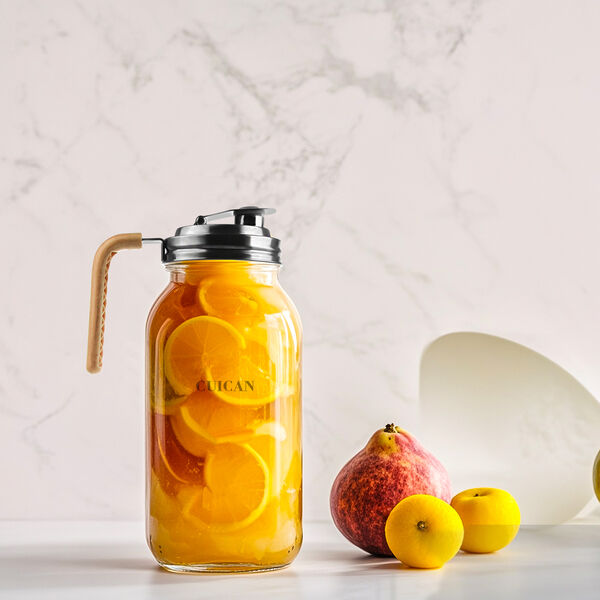
Selecting the appropriate ketchup glass bottle for your restaurant involves balancing functionality, durability, and customer experience. The right choice can enhance your brand image while ensuring efficient service and cost-effective operations. Restaurant owners must consider multiple factors including size capacity, dispensing mechanism, cleaning requirements, and storage efficiency when making this critical decision for their food service establishment.
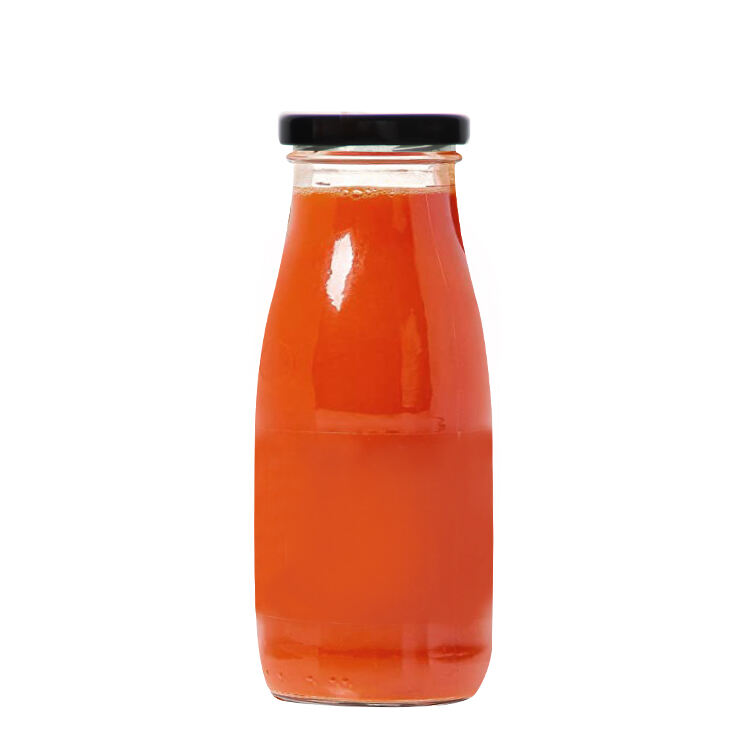
Restaurant operators face unique challenges when choosing condiment containers, as these items directly impact both operational efficiency and customer satisfaction. A well-chosen ketchup glass bottle reduces waste, minimizes refill frequency, and maintains product freshness while creating an appealing presentation that reflects your establishment's quality standards. Understanding the key selection criteria will help you make an informed decision that supports both your operational needs and budget requirements.
Understanding Restaurant-Specific Requirements for Ketchup Bottles
Volume and Service Frequency Considerations
Restaurant ketchup glass bottle selection must align with your establishment's service volume and customer turnover rate. High-volume restaurants typically benefit from larger capacity bottles that reduce refill frequency during peak hours. A 310ml ketchup glass bottle offers an ideal balance for most casual dining establishments, providing sufficient capacity while remaining manageable for staff handling and customer use.
Fast-casual restaurants serving 200-400 customers daily often find that medium-sized glass bottles minimize labor costs associated with constant refilling. The frequency of refills directly impacts staff productivity, particularly during busy lunch and dinner rushes when servers need to focus on customer service rather than condiment maintenance.
Fine dining establishments may prefer smaller, more elegant ketchup glass bottle options that complement their upscale atmosphere while still providing adequate portion control. The visual impact of condiment containers significantly influences the overall dining ambiance and customer perception of quality.
Durability and Safety Standards
Commercial restaurant environments demand robust ketchup glass bottle construction that withstands frequent handling, washing, and potential accidents. Food-grade glass materials ensure safety compliance while providing the durability necessary for daily restaurant operations. Thick-walled glass construction prevents breakage during normal use and dishwasher cycles.
Temperature resistance becomes crucial when considering sanitization procedures required by health departments. A quality ketchup glass bottle must endure high-temperature commercial dishwasher cycles without compromising structural integrity or developing stress fractures that could lead to contamination risks.
Safety certifications and compliance with local health codes represent non-negotiable requirements for any restaurant condiment container. The selected ketchup glass bottle should meet FDA standards for food contact surfaces and demonstrate appropriate chemical resistance to cleaning agents used in commercial kitchens.
Evaluating Dispensing Mechanisms and User Experience
Cap and Closure Design Options
The dispensing mechanism significantly affects customer satisfaction and portion control efficiency. Traditional screw-on caps provide secure closure and easy cleaning but may frustrate customers who struggle with opening mechanisms. Flip-top caps offer convenience but require more complex cleaning procedures to maintain hygiene standards expected in restaurant environments.
Restaurant operators should consider the target demographic when selecting cap designs for their ketchup glass bottle inventory. Family-friendly establishments may prioritize easy-open mechanisms that accommodate children and elderly customers, while fast-casual venues might focus on quick-dispensing options that support rapid table turnover.
Portion control represents another critical factor in cap selection, as controlled dispensing helps manage food costs while ensuring consistent customer experience. Some ketchup glass bottle designs incorporate built-in flow control features that prevent over-dispensing and reduce waste.
Cleaning and Maintenance Requirements
Efficient cleaning procedures directly impact operational costs and health compliance for restaurant ketchup glass bottle systems. Wide-mouth designs facilitate thorough cleaning and inspection, reducing the risk of bacterial growth that could compromise food safety. Narrow necks may create cleaning challenges that require specialized brushes or extended soaking procedures.
Dishwasher compatibility streamlines the cleaning process and ensures consistent sanitization standards across all condiment containers. A properly designed ketchup glass bottle should integrate seamlessly into existing dish washing workflows without requiring special handling or additional labor.
Label removal and replacement procedures affect long-term maintenance costs, particularly for restaurants that customize their condiment presentations with branded labels. Smooth glass surfaces that accommodate adhesive removal without surface damage help maintain professional appearance throughout the bottle's service life.
Size and Capacity Optimization for Different Restaurant Types
Matching Bottle Size to Restaurant Format
Different restaurant formats require specific ketchup glass bottle capacities to optimize both customer experience and operational efficiency. Quick-service restaurants benefit from smaller bottles that reduce waste from partially used containers while supporting rapid table turnover. Casual dining establishments typically require medium-capacity bottles that balance refill frequency with customer convenience.
Table service restaurants must consider the average group size when selecting ketchup glass bottle capacity. Larger families or groups may require more generous portions, making medium to large bottles more appropriate for these establishments. The bottle size should accommodate typical usage patterns without appearing oversized or undersized for the dining context.
Buffet-style restaurants face unique challenges where ketchup glass bottle selection must consider both self-service accessibility and theft prevention. Medium-sized bottles often provide the optimal balance between customer satisfaction and inventory control in these environments.
Storage and Inventory Management
Efficient storage solutions for ketchup glass bottle inventory directly impact kitchen organization and operational costs. Standardized bottle dimensions facilitate stacking and storage optimization in limited restaurant storage spaces. Consistent sizing across all condiment containers simplifies inventory tracking and ordering procedures.
Refrigeration requirements may influence ketchup glass bottle selection, particularly for establishments that prefer to serve chilled condiments. Bottle dimensions must accommodate standard commercial refrigeration units while maintaining easy access for staff during service periods.
Bulk purchasing advantages often favor standardized ketchup glass bottle sizes that allow for better supplier negotiations and reduced per-unit costs. Volume discounts become more accessible when restaurants commit to specific bottle specifications that align with supplier inventory systems.
Cost Analysis and Budget Considerations
Initial Investment vs Long-Term Value
Quality ketchup glass bottle selection requires balancing upfront costs with long-term operational benefits. Higher-grade glass construction typically commands premium pricing but delivers superior durability that reduces replacement frequency and associated labor costs. Restaurant operators must evaluate total cost of ownership rather than focusing solely on initial purchase prices.
Breakage rates significantly impact the true cost of ketchup glass bottle operations in restaurant environments. Investing in thicker, more durable glass construction often proves economical over time, despite higher initial costs. Staff training on proper handling procedures can further reduce replacement costs regardless of bottle quality.
Volume purchasing agreements with suppliers can substantially reduce per-unit costs for ketchup glass bottle inventory. Restaurants that commit to standardized specifications often negotiate better pricing terms while ensuring consistent quality and availability for their operations.
Operational Efficiency Impact
The selected ketchup glass bottle design directly influences staff productivity and labor costs throughout daily operations. Bottles that require frequent refilling increase labor costs during peak service periods when staff time commands premium value. Conversely, oversized bottles may create waste through product spoilage or customer over-consumption.
Cleaning efficiency represents another significant cost factor in ketchup glass bottle selection. Designs that integrate smoothly into existing dishwashing procedures minimize additional labor requirements and associated costs. Complex bottle shapes or closure mechanisms may require specialized cleaning procedures that increase operational expenses.
Customer satisfaction impacts from ketchup glass bottle selection can influence repeat business and overall revenue generation. Bottles that enhance the dining experience contribute to positive customer perceptions while poorly chosen options may detract from overall service quality and customer retention rates.
Quality Standards and Supplier Evaluation
Material Quality and Safety Certifications
Food-grade glass certification represents the fundamental requirement for any restaurant ketchup glass bottle selection. Suppliers must provide documentation confirming compliance with FDA regulations and local health department standards. The glass composition should resist chemical interactions with acidic condiments while maintaining structural integrity under normal use conditions.
Lead content testing becomes particularly important when sourcing ketchup glass bottle products from international suppliers. Restaurant operators must verify that selected bottles meet lead-free standards required for food service applications. Third-party testing documentation provides additional assurance of product safety and regulatory compliance.
Manufacturing quality control processes affect the consistency and reliability of ketchup glass bottle products. Suppliers with established quality management systems typically deliver more consistent products with fewer defects, reducing operational disruptions and replacement costs for restaurant operators.
Supplier Reliability and Service Support
Consistent availability of ketchup glass bottle inventory prevents operational disruptions that could impact customer service quality. Suppliers with reliable delivery schedules and adequate inventory levels provide operational stability for restaurant businesses. Backup supplier relationships help ensure continuity when primary sources face supply chain challenges.
Technical support and customization capabilities may influence supplier selection for restaurants requiring specific ketchup glass bottle modifications. Suppliers offering design consultation and custom labeling services provide additional value for establishments seeking to differentiate their condiment presentation.
Return policies and defect replacement procedures protect restaurants from financial losses due to damaged or defective ketchup glass bottle shipments. Clear warranty terms and responsive customer service support minimize operational risks associated with supplier relationships.
FAQ
What size ketchup glass bottle works best for casual dining restaurants?
Most casual dining restaurants find that 310ml to 350ml ketchup glass bottles provide the optimal balance between customer convenience and refill frequency. This size accommodates typical family dining needs while minimizing labor costs associated with constant refilling during busy service periods. The capacity also reduces waste from partially used bottles while maintaining an appropriate visual scale for standard restaurant tables.
How often should restaurants replace their ketchup glass bottles?
Quality ketchup glass bottles in restaurant environments typically last 6-12 months with proper handling and cleaning procedures. Replacement frequency depends on usage volume, staff handling practices, and the durability of the selected bottle design. Signs indicating replacement needs include visible chips, cracks, permanent staining, or damaged dispensing mechanisms that affect functionality or hygiene standards.
Are there specific safety regulations for restaurant ketchup containers?
Restaurant ketchup glass bottles must comply with FDA food contact surface regulations and local health department standards. The containers must be made from food-grade materials, maintain easy cleaning accessibility, and resist bacterial growth. Many jurisdictions require that condiment containers be dishwasher safe and constructed from materials that won't leach chemicals into food products under normal storage and service conditions.
What features should restaurants prioritize when selecting ketchup glass bottles?
Priority features for restaurant ketchup glass bottle selection include appropriate capacity for service volume, durable food-grade construction, easy cleaning design, secure closure mechanisms, and dishwasher compatibility. The bottle should also provide controlled dispensing to manage portion costs while offering user-friendly operation for customers of all ages. Visual appeal and brand presentation opportunities may also influence selection decisions for establishments emphasizing atmosphere and customer experience.