 EN
EN

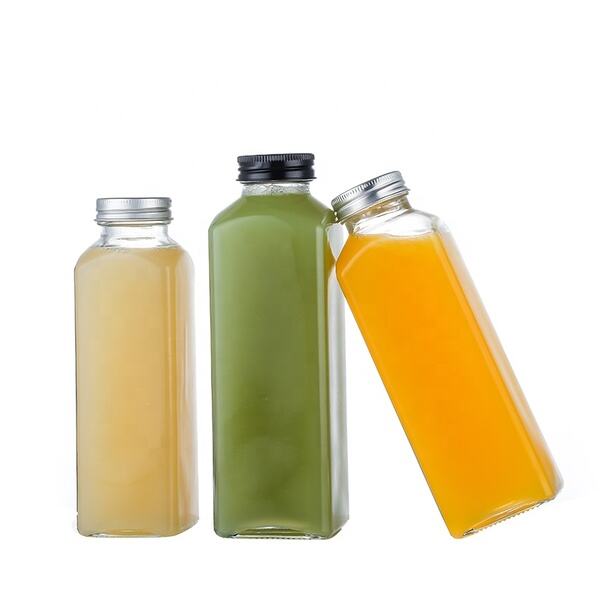
Achieving perfect dispensing control with ketchup glass bottles requires understanding both the unique properties of glass containers and the viscous nature of ketchup itself. Unlike plastic squeeze bottles, glass bottles demand specific techniques and considerations to ensure smooth, controlled pouring without waste or mess. Professional food service establishments and home users alike benefit from mastering these dispensing fundamentals to maximize both efficiency and presentation quality.
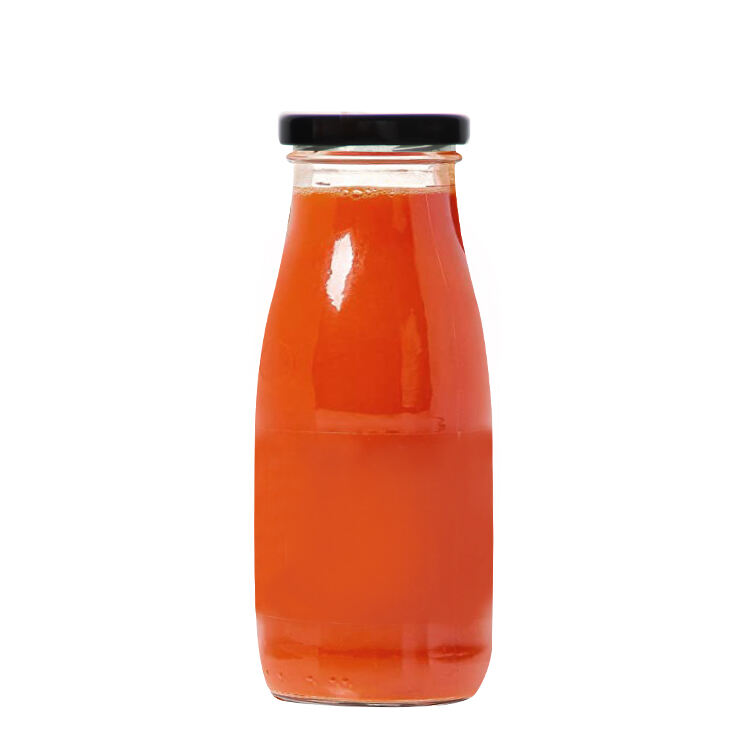
The dispensing challenges with ketchup glass bottles stem from the combination of glass material properties and ketchup's thixotropic behavior, where the sauce becomes less viscous when agitated but returns to its thick state when at rest. This creates unique flow dynamics that require specific handling approaches to achieve optimal results. Understanding these characteristics enables users to select appropriate dispensing methods and avoid common frustrations associated with glass bottle ketchup service.
Understanding Glass Bottle Flow Dynamics
Viscosity Management in Glass Containers
Ketchup glass bottles present unique viscosity challenges due to the rigid nature of glass construction. Unlike flexible plastic containers, glass bottles cannot be squeezed to create pressure assistance, making viscosity management crucial for effective dispensing. The thick consistency of ketchup naturally resists flow, particularly when the product has been sitting undisturbed for extended periods.
Temperature significantly affects ketchup viscosity within glass containers. Room temperature ketchup flows more readily than refrigerated product, while warmed ketchup becomes notably more fluid. Professional kitchens often maintain ketchup glass bottles at optimal serving temperatures to ensure consistent dispensing performance throughout service periods.
The glass material itself influences flow dynamics through thermal conductivity properties. Glass bottles maintain temperature longer than plastic alternatives, meaning cold ketchup stays thick longer, while warmed product retains improved flow characteristics. This thermal stability can work either for or against dispensing goals depending on storage and serving conditions.
Pressure and Gravity Principles
Dispensing from ketchup glass bottles relies primarily on gravity and atmospheric pressure since manual pressure application is impossible with rigid glass construction. The bottle opening size directly affects flow rate, with larger openings allowing faster dispensing but requiring more precise control to prevent over-pouring. Standard ketchup glass bottles typically feature openings designed to balance flow control with practical dispensing speed.
Atmospheric pressure plays a crucial role in glass bottle dispensing mechanics. As ketchup exits the bottle, air must enter to replace the displaced volume. Narrow neck designs can create vacuum effects that slow or stop flow, particularly with thick products like ketchup. Understanding this principle helps users employ techniques that maintain proper air exchange for consistent dispensing.
The height relationship between the bottle opening and target surface affects dispensing control through gravitational force multiplication. Higher dispensing positions create more force but reduce precision, while lower positions offer better control at the expense of flow speed. Professional food service typically employs standardized dispensing heights to ensure consistent portion control across different staff members.
Optimal Dispensing Techniques and Methods
The Gentle Tapping Method
The most effective technique for ketchup glass bottles involves gentle tapping on the bottle's side or bottom to initiate flow. This method works by creating vibrations that temporarily reduce ketchup viscosity through mechanical agitation. The key lies in applying consistent, light taps rather than forceful strikes that could damage the glass or create excessive flow.
Proper tapping technique requires targeting specific areas of the glass bottle for maximum effectiveness. Tapping the upper shoulder area of ketchup glass bottles creates vibrations that travel through the product column, while bottom tapping can help dislodge settled product. The rhythm and intensity of tapping should be adjusted based on ketchup temperature and desired flow rate.
Professional food service establishments often develop standardized tapping protocols for ketchup glass bottles to ensure consistent results across different staff members. These protocols specify tap count, intensity, and timing to achieve uniform portion sizes while minimizing the risk of glass damage or excessive product waste.
Angle and Positioning Strategies
The angle at which ketchup glass bottles are held dramatically affects dispensing control and flow characteristics. A 45-degree angle typically provides the optimal balance between flow initiation and control precision. This angle allows gravity to assist flow while maintaining manageable dispensing speed for accurate portioning.
Rotating the bottle during dispensing can help maintain consistent flow by preventing air pockets from forming in the ketchup column. This technique is particularly effective with ketchup glass bottles that have been stored upright for extended periods, as rotation helps redistribute the product for more even flow characteristics.
The distance between the bottle opening and target surface should be minimized to reduce splashing and improve accuracy. Professional dispensing typically maintains a 2-3 inch gap, which provides adequate clearance while ensuring precise placement. This close proximity also reduces the impact force of falling ketchup, preventing unwanted spreading or mess.
Equipment and Accessories for Enhanced Control
Pour Spouts and Flow Regulators
Specialized pour spouts designed for ketchup glass bottles can dramatically improve dispensing control and consistency. These accessories typically feature tapered openings that create controlled flow patterns while preventing drips and waste. Professional-grade pour spouts often include anti-drip mechanisms that seal automatically when dispensing stops.
Flow regulator inserts can be installed in ketchup glass bottles to standardize portion sizes and prevent over-pouring. These devices work by creating controlled restriction points that limit maximum flow rate regardless of dispensing angle or pressure. This technology is particularly valuable in high-volume food service applications where portion control directly impacts cost management.
Some specialized pour spouts for ketchup glass bottles incorporate air intake channels that prevent vacuum formation during dispensing. These designs ensure consistent flow throughout the bottle's contents, eliminating the common problem of progressively slower dispensing as product levels decrease.
Temperature Control Solutions
Warming systems designed for ketchup glass bottles can significantly improve dispensing performance by reducing product viscosity. These solutions range from simple heated cabinets to specialized bottle warmers that maintain optimal serving temperatures. Proper temperature control eliminates the need for aggressive dispensing techniques that can lead to spills or portion inconsistencies.
Thermal sleeves and bottle jackets provide portable temperature management for ketchup glass bottles in situations where fixed heating systems are impractical. These accessories use phase-change materials or heating elements to maintain consistent product temperatures during extended service periods.
Temperature monitoring systems help ensure ketchup glass bottles remain within optimal dispensing temperature ranges without compromising food safety. Digital thermometers and thermal strips can be integrated into storage and service areas to maintain consistent dispensing performance while meeting health department requirements.
Storage and Preparation Best Practices
Pre-Service Conditioning
Proper conditioning of ketchup glass bottles before service significantly impacts dispensing performance throughout the service period. This process begins with allowing refrigerated bottles to reach optimal serving temperature, typically 15-20 minutes at room temperature. Professional establishments often implement rotation schedules to ensure bottles are properly conditioned when needed.
Gentle agitation during the conditioning process helps redistribute ketchup within glass bottles and breaks down any settled consistency variations. This can be accomplished through careful inversion or controlled rotation movements that mix the product without creating air bubbles that could interfere with dispensing.
Pre-service testing of each ketchup glass bottle ensures consistent dispensing characteristics before customer interaction. This quality control step involves brief flow tests that verify proper viscosity and identify any bottles that may require additional conditioning or replacement.
Optimal Storage Configurations
Storage orientation significantly affects the dispensing readiness of ketchup glass bottles. Upright storage prevents product separation but can create settling that requires more aggressive dispensing techniques. Inverted storage keeps ketchup at the dispensing opening but may cause separation issues and makes temperature management more challenging.
Climate-controlled storage environments help maintain consistent ketchup viscosity in glass bottles, reducing the variability in dispensing performance. Temperature fluctuations can cause expansion and contraction cycles that affect product consistency and create dispensing challenges during service periods.
Rotation protocols ensure ketchup glass bottles maintain optimal dispensing characteristics by preventing excessive aging and settling. First-in-first-out inventory management combined with regular product agitation maintains consistent quality and dispensing performance across all bottles in service.
Troubleshooting Common Dispensing Issues
Flow Obstruction Solutions
Blocked or restricted flow in ketchup glass bottles often results from product crystallization or separation at the bottle opening. Gentle warming of the neck area can dissolve crystallized sugars that may be creating flow restrictions. This targeted heating should be applied carefully to avoid thermal shock that could crack the glass.
Mechanical clearing techniques for ketchup glass bottles must balance effectiveness with safety considerations. Clean utensils can be used to carefully clear bottle openings, but care must be taken to avoid glass damage or contamination. Professional establishments typically maintain dedicated clearing tools for this purpose.
Prevention strategies focus on maintaining proper storage conditions and rotation schedules that minimize the likelihood of flow obstructions. Regular inspection of ketchup glass bottles for early signs of crystallization or separation enables proactive intervention before dispensing problems develop.
Consistency and Portion Control
Achieving consistent portions from ketchup glass bottles requires standardized techniques and regular staff training. Variation in dispensing methods between different users can create significant portion size differences that impact both cost control and customer satisfaction. Written procedures and hands-on training help maintain consistency across service teams.
Measuring and monitoring dispensed portions helps identify technique variations and equipment issues that affect consistency. Regular portion audits using standardized measuring tools provide feedback for continuous improvement in dispensing accuracy from ketchup glass bottles.
Quality control systems should include regular evaluation of dispensing equipment and techniques to maintain optimal performance. This includes assessment of pour spouts, temperature control systems, and staff adherence to established procedures for handling ketchup glass bottles.
FAQ
How can I prevent ketchup from sticking in glass bottles?
Prevent ketchup sticking by maintaining proper storage temperatures between 50-70°F and implementing regular rotation schedules. Gentle agitation before service helps redistribute the product, while proper humidity control prevents excessive moisture loss that can cause sticking. Store bottles upright with caps properly sealed to minimize air exposure and product degradation.
What is the best temperature for dispensing ketchup from glass bottles?
The optimal dispensing temperature for ketchup glass bottles is 65-75°F, which provides the best balance between food safety and flow characteristics. This temperature range ensures the ketchup flows smoothly without being too thin or too thick. Avoid temperatures above 80°F as they may compromise product quality and create food safety concerns.
Why does my ketchup glass bottle stop flowing mid-pour?
Mid-pour flow stoppage typically occurs due to vacuum formation or product consistency changes. Ensure adequate air intake by slightly loosening the cap or using pour spouts with air channels. Check that the ketchup hasn't separated or crystallized, and maintain consistent bottle angles during dispensing to prevent air pocket formation.
How long can ketchup remain in glass bottles for optimal dispensing?
For optimal dispensing performance, ketchup in glass bottles should be used within 6-8 weeks of opening when properly stored. Unopened bottles can maintain dispensing quality for 12-18 months when stored in appropriate conditions. Monitor for changes in consistency, color, or flow characteristics that may indicate quality degradation affecting dispensing performance.