 EN
EN

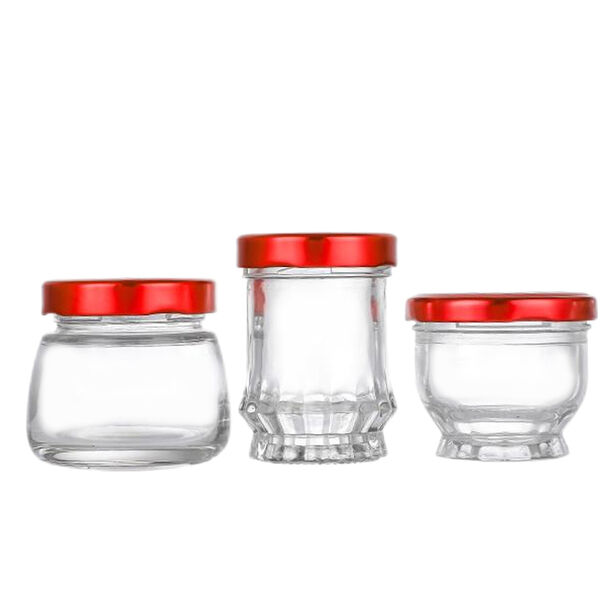
Proper storage of pharmaceuticals begins with one fundamental component that is often overlooked: the container itself. Medicine bottles play a critical role in preserving the potency, safety, and shelf life of the medications they hold. Whether you are a pharmacist, a healthcare distributor, or a consumer managing a home medicine cabinet, understanding how to use and store medicine bottles correctly can make a significant difference in treatment outcomes and patient safety.
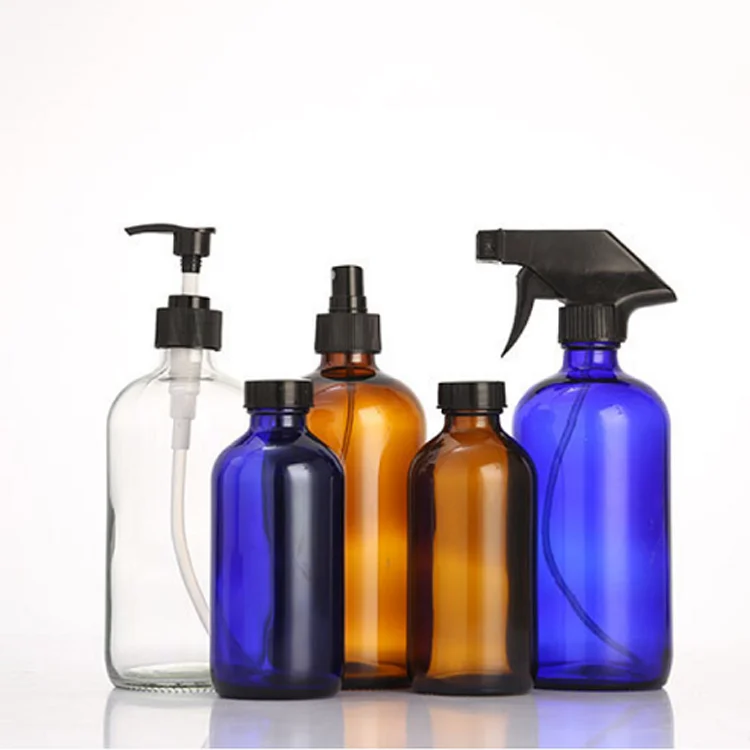
The quality and design of medicine bottles directly affect how well a medication resists environmental degradation. Exposure to light, moisture, heat, and air can all alter the chemical composition of drugs, reducing their effectiveness or even making them harmful. This article explores the practical steps, material considerations, and storage principles that ensure medicine bottles fulfill their protective function across the entire supply chain and end-user lifecycle.
The Role of Material Selection in Medicine Bottle Safety
Glass Versus Plastic: Understanding the Difference
One of the most important decisions in pharmaceutical packaging is the choice between glass and plastic medicine bottles. Glass, particularly borosilicate or amber glass, offers exceptional chemical inertness, meaning it does not react with the contents inside. This makes glass medicine bottles the preferred choice for liquid medications, injectable solutions, and any formulation that is sensitive to chemical contamination.
Plastic medicine bottles, on the other hand, are lightweight and shatter-resistant, making them practical for retail and consumer applications. However, not all plastics are suitable. High-density polyethylene (HDPE) and polypropylene are the most commonly accepted materials because they offer low moisture vapor transmission and good chemical resistance. Choosing the right material is the first step in ensuring that medicine bottles provide adequate protection.
For any pharmaceutical or nutraceutical product, the compatibility between the bottle material and the drug formulation must be evaluated carefully. Reactive materials can leach chemicals into the medication, compromising both its safety and efficacy. A properly selected medicine bottles material is non-reactive, moisture-resistant, and capable of maintaining its structural integrity over the product's shelf life.
Amber and Colored Glass for Light Sensitivity
Many pharmaceutical compounds are photosensitive, meaning they break down when exposed to ultraviolet or visible light. Amber-colored medicine bottles are specifically designed to filter out UV radiation, protecting light-sensitive drugs such as certain antibiotics, vitamins, and hormonal preparations. The deep brown or amber tint of these bottles acts as a physical barrier against photodegradation.
Clear glass medicine bottles are appropriate for medications that are not affected by light exposure, and they offer the advantage of easy visual inspection for particulates, color changes, or cloudiness. Blue or other tinted glass variants offer moderate light protection and are often used for aesthetic or branding purposes while still providing some level of UV filtration.
When selecting between amber, clear, or blue medicine bottles, the guiding principle should always be the specific sensitivity profile of the medication. Referring to the drug's stability data and regulatory packaging guidelines helps ensure that the chosen bottle type offers the right level of protection throughout the product's intended shelf life.
Closure Systems and Contamination Prevention
Child-Resistant and Tamper-Evident Closures
The closure system of medicine bottles is just as critical as the bottle itself. Child-resistant caps are a regulatory requirement in many markets for prescription and over-the-counter medications. These closures are engineered to require a combination of motions — such as pressing and turning simultaneously — that are difficult for young children to perform but manageable for adults.
Tamper-evident features add another layer of safety to medicine bottles. Induction seals, shrink bands, and breakable rings on cap necks provide visible indicators that a bottle has not been opened or interfered with prior to purchase or administration. For both pharmacies and end consumers, these features build trust and ensure product integrity throughout the distribution process.
Proper application of closures is equally important. A correctly torqued cap creates an airtight seal that prevents moisture ingress and oxidation. Improperly sealed medicine bottles are vulnerable to microbial contamination and accelerated chemical degradation, both of which can compromise the medication inside.
Desiccants and Moisture Control Inside the Bottle
Moisture is one of the most damaging environmental factors for pharmaceuticals. Solid dosage forms such as tablets and capsules stored in medicine bottles are particularly vulnerable to moisture absorption, which can cause clumping, dissolution, and microbial growth. Desiccant inserts, typically made from silica gel or molecular sieve materials, are placed inside medicine bottles to absorb residual moisture within the sealed environment.
The sizing and selection of desiccants must correspond to the internal volume of the bottle and the moisture sensitivity of the product. Over-desiccating can dry out certain formulations, while under-desiccating leaves the product exposed. Pharmaceutical manufacturers and packagers follow established moisture vapor transmission rate (MVTR) data for their chosen bottle material to calculate appropriate desiccant loads.
Beyond desiccants, the storage environment outside the medicine bottles also matters. High-humidity storage rooms or improper sealing after the first opening can render even the best-designed bottle ineffective. Training end users on proper recapping and storage after opening is an important part of the overall safety chain.
Storage Conditions That Preserve Medication Integrity
Temperature Control and Its Impact on Pharmaceuticals
Temperature is one of the most significant variables affecting the stability of medications stored in medicine bottles. Most oral solid medications should be stored at controlled room temperature, typically between 15°C and 25°C (59°F and 77°F). Exceeding these temperatures accelerates chemical degradation processes, reducing potency and potentially creating harmful breakdown products.
Liquid medications, biologics, and vaccines often require refrigeration, and the bottles used for these products must be compatible with cold-chain storage. Glass medicine bottles are generally well-suited for refrigerated storage because glass does not become brittle at cold temperatures the way some plastics do. Proper labeling of storage requirements on the bottle itself or its outer packaging helps ensure that handlers at every stage of the supply chain maintain the correct temperature range.
Avoiding temperature fluctuations is equally important. Repeated heating and cooling cycles — a common occurrence when medicine bottles are left in vehicles, near stoves, or in bathrooms — can cause physical changes in formulations, such as crystallization, separation, or cap loosening due to material expansion and contraction. Stable thermal environments are essential for maintaining the performance of medications in their bottles.
Light and Air Exposure During Storage
Even when medicine bottles are made from light-protective materials, they should be stored away from direct sunlight and strong artificial lighting. Ultraviolet radiation can penetrate even amber glass to some extent over prolonged exposure, and storing bottles in dark cabinets or drawers significantly extends their effective shelf life. Pharmacies and hospitals typically store medicine bottles in closed shelving units for this reason.
Oxygen exposure is another degradation pathway for many pharmaceuticals. Some formulations include antioxidants to mitigate this risk, but the bottle's ability to maintain an airtight seal remains the primary defense. Nitrogen purging — displacing oxygen inside the bottle with inert nitrogen gas before sealing — is a technique used in pharmaceutical manufacturing to protect particularly oxygen-sensitive medications stored in medicine bottles.
At the consumer level, ensuring that medicine bottles are tightly reclosed after each use and stored in a cool, dark location addresses both light and air exposure risks simultaneously. Simple behavioral habits can extend the effectiveness of medications by months, making proper storage guidance an important element of patient education.
Labeling, Identification, and Safe Handling Practices
The Importance of Accurate and Durable Labeling
A medicine bottle without a clear, accurate label is a safety hazard. Labels on medicine bottles must include the medication name, dosage strength, administration instructions, expiry date, storage conditions, and any relevant warnings. In clinical and pharmacy settings, labeling errors are among the most common contributing factors to medication errors, making label clarity a non-negotiable safety requirement.
Labels must adhere firmly to the surface of medicine bottles throughout their intended use period. Glass surfaces typically accept pressure-sensitive adhesive labels well, while some plastics may require surface treatment or specific adhesive formulations to ensure proper bonding. Labels that peel, smear, or become illegible due to moisture, handling, or temperature changes compromise the safety chain.
For consumers managing multiple medications at home, additional labeling practices — such as noting the date the bottle was opened or writing personalized dosage reminders — can further enhance safety. Clear, consistent labeling across all medicine bottles in a household reduces the risk of mix-ups, especially among elderly patients or those managing complex medication regimens.
Handling and Dispensing Best Practices
Proper handling of medicine bottles begins before the bottle is opened. Inspecting the bottle for cracks, chips, or deformity before dispensing a medication is essential. A compromised bottle cannot maintain its protective properties, and any medication stored in a damaged container should be discarded. This inspection step is standard practice in pharmacy and hospital settings but is equally applicable to home use.
When dispensing liquid medications from medicine bottles, using calibrated measuring devices rather than household spoons ensures accurate dosing. The bottle should be held with the label facing the palm during pouring to prevent dripping on the label and obscuring information. After dispensing, the exterior of the bottle should be wiped clean to prevent buildup of sticky residues that can attract contaminants.
Disposal of empty or expired medicine bottles should follow local regulatory guidelines. In many regions, unused medications must be returned to a pharmacy or disposal point rather than flushed or placed in household waste, as improper disposal poses environmental risks. Recycling of glass medicine bottles is possible through appropriate streams, contributing to sustainable packaging practices.
FAQ
What makes amber glass the preferred material for certain medicine bottles?
Amber glass filters ultraviolet and visible light, protecting photosensitive medications from degradation caused by light exposure. Drugs such as certain antibiotics, vitamins, and hormonal compounds can break down quickly when exposed to light, losing potency or becoming unsafe. Amber medicine bottles are a well-established industry standard for these formulations because they provide reliable, passive light protection without requiring any additional packaging layer.
How should medicine bottles be stored at home to maintain drug safety?
Medicine bottles should be stored in a cool, dark, and dry location — not in bathrooms or kitchen windowsills, where heat and humidity levels fluctuate regularly. A bedroom drawer or a dedicated medicine cabinet away from direct light sources is ideal. Always ensure caps are tightly sealed after each use, and follow any specific storage instructions printed on the label, such as refrigeration requirements.
Can medicine bottles be reused for other medications or purposes?
Reusing medicine bottles for different medications is strongly discouraged because residual traces of the previous contents can contaminate the new medication. Even thorough washing may not eliminate all chemical residues, particularly with glass bottles that have been used for concentrated solutions. For safety reasons, medicine bottles should be dedicated to a single product and properly disposed of when empty or when the medication has expired.
What is the significance of expiry dates printed on medicine bottles?
Expiry dates on medicine bottles indicate the period during which the manufacturer guarantees the medication's potency, safety, and quality, provided the bottle has been stored under the specified conditions. After this date, the chemical composition of the medication may have changed, and its effectiveness cannot be assured. Using medications beyond their expiry date is a safety risk, and all expired medicine bottles should be removed from circulation and disposed of through appropriate channels.