 EN
EN

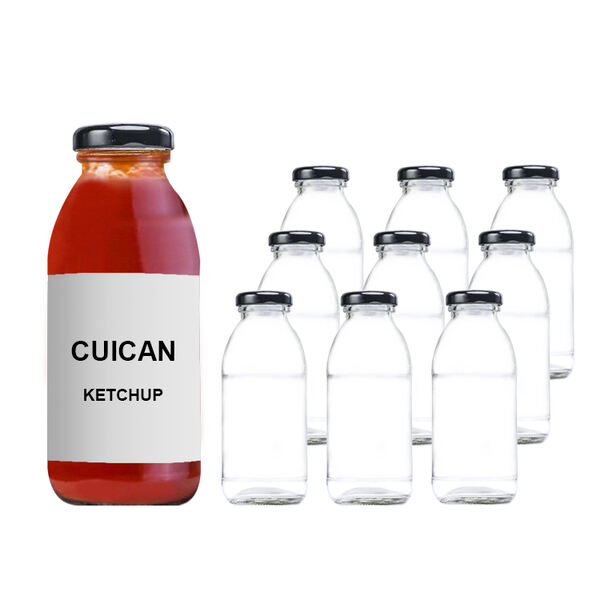
In the pharmaceutical and nutraceutical industries, packaging is far more than a container — it is a critical communication channel, a safety mechanism, and a direct reflection of brand quality. custom medical syrup bottles have become an essential consideration for manufacturers who want to ensure product integrity, regulatory compliance, and strong shelf presence all at once. Choosing the right labeling and design approach is not merely an aesthetic decision — it directly affects patient safety, dispensing accuracy, and commercial success.
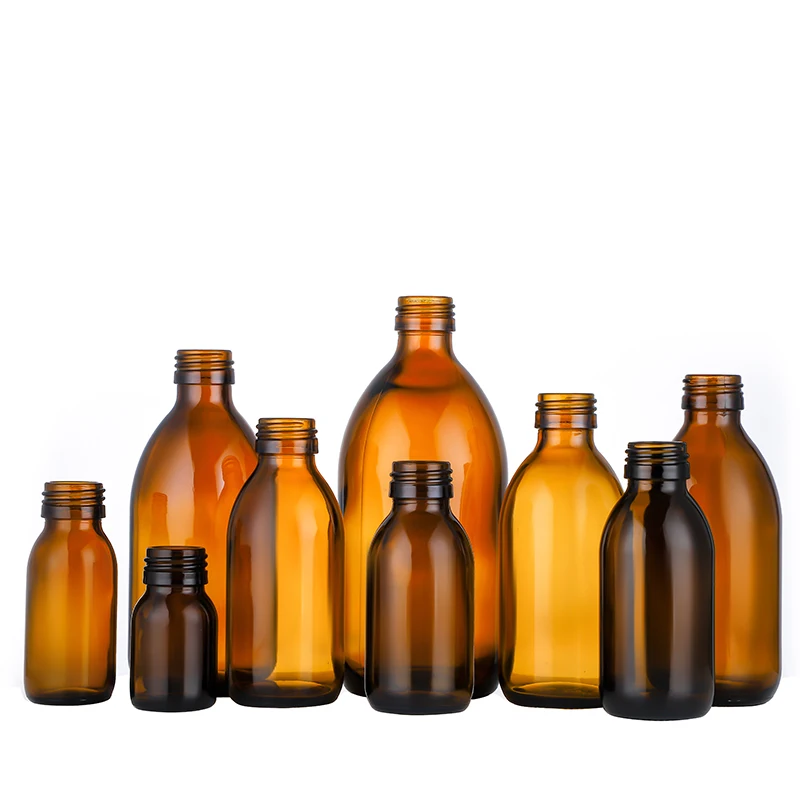
The market for custom medical syrup bottles continues to grow as healthcare providers, private-label pharmaceutical companies, and wellness brands recognize the value of purpose-built packaging. A poorly labeled bottle can cause dosing errors, regulatory failures, and reputational damage. On the other hand, a well-designed bottle with precise labeling builds trust, streamlines dispensing, and ensures that critical product information reaches the end user clearly and durably. This article explores the labeling and design best practices that every manufacturer or brand owner should follow when developing custom medical syrup bottles for clinical or commercial use.
Understanding the Role of Custom Medical Syrup Bottles in Pharmaceutical Packaging
Why Customization Matters Beyond Aesthetics
When brands invest in custom medical syrup bottles, they are making a strategic decision that spans regulatory compliance, patient usability, and product differentiation. Unlike generic off-the-shelf bottles, custom designs allow manufacturers to specify neck finishes, volume markings, wall thickness, and closure types tailored to the viscosity and stability requirements of a specific formulation. This level of specificity reduces waste, improves fill accuracy, and ensures the packaging complements the product rather than compromising it.
Customization also serves a critical function in tamper evidence and child-resistant design. Pharmaceutical regulations in most markets require that liquid oral medicines — especially syrups intended for pediatric use — incorporate child-resistant closures and tamper-evident features. Custom medical syrup bottles allow these features to be integrated into the original design, rather than added as afterthoughts that may not fit correctly or reliably.
From a brand perspective, custom medical syrup bottles communicate product seriousness. Healthcare professionals and informed consumers associate well-engineered, purpose-built packaging with higher formulation quality. A clean, professional bottle design with accurate graduation marks and a durable label signals to dispensers and end users that the manufacturer has invested in the entire product experience.
Material Selection and Its Impact on Design Choices
The choice of material for custom medical syrup bottles — whether glass or PET plastic — directly influences both labeling options and structural design possibilities. Amber glass bottles remain the gold standard for light-sensitive formulations, offering excellent chemical inertness and superior UV protection. Glass surfaces accept pressure-sensitive labels extremely well and provide a premium tactile feel that supports brand positioning in high-value pharmaceutical products.
PET plastic bottles, on the other hand, offer design flexibility, shatter resistance, and reduced shipping weight. They are particularly suitable for high-volume consumer healthcare products where cost efficiency and supply chain logistics are key concerns. When designing custom medical syrup bottles in PET, manufacturers can incorporate integrated grip zones, ergonomic waist designs, and embossed branding elements that are more challenging to achieve in glass.
Regardless of material, the labeling panel design must be aligned with the container's shape and surface finish. Curved surfaces require labels with appropriate flexibility and adhesive strength, while frosted or matte surfaces may demand specific label materials to ensure adhesion and print clarity. Material selection is therefore a foundational design decision that cascades into every subsequent labeling and finish choice.
Labeling Best Practices for Custom Medical Syrup Bottles
Regulatory Requirements That Drive Label Design
Labeling for custom medical syrup bottles is one of the most tightly regulated areas in pharmaceutical packaging. Regulatory frameworks such as those established by the FDA, EMA, and other national health authorities specify exactly what information must appear on the primary label, in what format, and at what minimum type size. These requirements typically include the product name, active ingredient and concentration, dosage instructions, batch number, expiry date, manufacturer details, and storage conditions.
Beyond content requirements, regulators often specify contrast ratios, font legibility standards, and the placement of warning statements. For custom medical syrup bottles intended for pediatric use, additional mandatory language regarding dosing by weight or age group may be required. Manufacturers must ensure their label design workflow includes a regulatory review stage where all mandatory elements are verified before artwork is finalized.
It is also important to consider multi-market labeling needs when designing custom medical syrup bottles for export. A label designed for a single market may need to be redesigned significantly for another jurisdiction, or a booklet label may be required to accommodate multiple languages without compromising legibility. Planning for these scenarios early in the design process reduces costly last-minute redesigns.
Typography, Hierarchy, and Visual Clarity
Effective label design for custom medical syrup bottles depends heavily on typographic hierarchy — the deliberate organization of text by size, weight, and placement to guide the reader's eye to the most critical information first. The product name and concentration should be the most visually dominant elements, followed by dosage instructions, and then secondary details such as storage conditions and batch information. This hierarchy is not just a design choice; it is a patient safety mechanism.
Font selection should prioritize legibility above all other considerations. Sans-serif typefaces in sufficient point sizes are strongly recommended for pharmaceutical labels, particularly for dosage instructions that may be read by elderly patients or individuals with visual impairments. Custom medical syrup bottles often have limited label surface area, which makes every typographic decision critical. Condensed fonts may be used sparingly to accommodate required content, but should never compromise readability.
Color coding is another powerful design tool when used thoughtfully on custom medical syrup bottles. Color can differentiate between product variants — such as different flavors or concentration levels within the same product family — and can visually reinforce warning areas. However, color must never be the sole differentiator for critical safety information, as it excludes colorblind users and does not reproduce consistently across all label printing technologies.
Label Materials and Adhesive Performance
The physical durability of a label on custom medical syrup bottles is just as important as its visual design. Labels are expected to remain fully legible and intact throughout the product's shelf life, which may span two to five years, and through conditions including humidity, refrigeration, and repeated handling. Selecting the wrong label stock or adhesive can result in label failure that creates both safety risks and non-compliance situations.
For custom medical syrup bottles stored under refrigeration, labels must be specified with cold-temperature adhesives that maintain bond strength even when condensation forms on the bottle surface. Waterproof or water-resistant label films are strongly recommended for any syrup bottle that may be handled with wet hands or stored in humid environments such as bathrooms or clinical dispensing areas.
Print finish also affects durability. Matte laminate overlaminates protect ink from abrasion and moisture while maintaining a premium appearance. Gloss overlaminates offer high visual impact but may increase glare, reducing readability of fine print. The choice between these options should be guided by the product's primary environment and the brand's visual positioning.
Structural Design Elements That Enhance Functionality
Dosage Graduation Markings and Measurement Accuracy
One of the most functionally critical design elements of custom medical syrup bottles is the incorporation of accurate dosage graduation markings. These markings allow caregivers and patients to measure precise doses without relying entirely on a separate measuring cup, reducing the risk of dosing errors. Graduated markings must be clearly visible, accurately spaced, and durable enough to remain legible throughout the bottle's use period.
Graduation markings on custom medical syrup bottles can be applied in several ways: as embossed or debossed relief markings molded into the bottle wall, as screen-printed markings applied directly to the glass or plastic surface, or as part of the primary label design. Embossed markings offer the highest durability as they cannot peel or fade, while label-integrated markings offer greater design flexibility and the ability to include both metric and imperial measurements side by side.
Accuracy verification is an essential step in the production process for custom medical syrup bottles with graduation markings. Physical volume verification at each graduation point should be performed during mold development and quality control audits, as even small deviations in glass or mold manufacturing can shift graduation lines from their intended positions and create systemic dosing errors at scale.
Closure Design and Dispensing Compatibility
The closure system of custom medical syrup bottles is inextricably linked to both label design and overall user experience. Child-resistant closures require a specific actuation method — typically a push-down-and-turn mechanism — that must be communicated clearly on the label or closure cap itself. The icon or instructional text used for this purpose must comply with applicable standards and be immediately intuitive to adult users while remaining resistant to child operation.
For custom medical syrup bottles used in clinical or hospital dispensing environments, oral adapters and dosing pumps are often integrated into the closure system. When designing for these accessories, the neck finish dimensions and thread specification of the bottle must be precisely matched to the adapter specifications. These technical parameters should be confirmed at the design stage to avoid incompatibility issues that would require a costly mold redesign.
Pour spout design is another closure-related consideration that affects both usability and label design. Precision-pour closures minimize dripping and residue buildup around the neck, which keeps the label clean and legible throughout the product's use period. A clean-dispensing bottle also reinforces the user's perception of product quality and brand professionalism.
Branding, Differentiation, and Market Positioning Through Design
Building Brand Identity Through Packaging Consistency
For pharmaceutical companies, nutraceutical brands, and private-label manufacturers, custom medical syrup bottles serve as a physical embodiment of brand identity. Consistent use of color palettes, typography systems, and structural bottle shapes across a product range creates strong visual brand recognition at the pharmacy shelf or online marketplace. This consistency should be built into the design system from the beginning, not retrofitted after the fact.
When developing a bottle design system for a range of custom medical syrup bottles, brand owners should create a master template that defines the fixed elements — logo placement zone, mandatory regulatory text area, brand color application rules — and the variable elements that change per SKU, such as product name, variant color, and concentration. This approach accelerates label design for new SKUs while maintaining strict visual brand consistency.
Premium finishing techniques can further elevate the perceived value of custom medical syrup bottles in competitive market segments. Hot-stamp foil accents on labels, frosted glass finishes, or custom-shaped bottles with ergonomic profiles all contribute to a premium brand story. These investments are particularly valuable for branded pharmaceuticals, functional wellness syrups, and specialty pediatric products where purchase decisions are influenced by packaging as much as by the formulation itself.
Differentiation Strategies for Multi-SKU Product Families
When a brand offers multiple variants under the same product family — for example, different flavors, age-specific formulations, or varying concentrations of an active ingredient — the labeling system for custom medical syrup bottles must solve a dual challenge: clearly differentiating each variant while maintaining strong family resemblance. Getting this balance wrong can result in dispensing errors or consumer confusion that damages both safety and brand trust.
Color-banding is one of the most commonly used differentiation strategies for variant families of custom medical syrup bottles. A dedicated color applied consistently to the label border, cap color, or accent stripe allows users to quickly identify the correct variant at a glance. This strategy must be paired with clear text labeling of the variant name or concentration to ensure that color is a reinforcement rather than the sole identification mechanism.
Structural differentiation — using slightly different bottle shapes or sizes for different variants — can also be a powerful strategy for custom medical syrup bottles in markets where different volume SKUs coexist. A 100ml pediatric formulation bottle with a narrower profile differs visually and ergonomically from a 200ml adult formulation bottle, reducing the risk of the wrong product being selected in a clinical or household setting.
FAQ
What information is mandatory on the label of custom medical syrup bottles?
Mandatory labeling content for custom medical syrup bottles varies by market, but generally includes the product name, active ingredient identity and concentration, dosage and administration instructions, batch number, expiry date, storage conditions, manufacturer name and address, and applicable warning statements. Regulatory bodies such as the FDA and EMA provide detailed guidance documents that specify minimum type sizes, contrast requirements, and mandatory placement zones for each element. Always conduct a jurisdiction-specific regulatory review before finalizing any label artwork.
How do I choose between glass and plastic for custom medical syrup bottles?
The choice between glass and plastic for custom medical syrup bottles depends on the formulation's chemical compatibility requirements, light sensitivity, target market, and supply chain logistics. Amber glass is preferred for light-sensitive formulations and premium market positioning, offering superior inertness and UV protection. PET plastic is suitable for cost-efficient, high-volume products where shatter resistance and lighter weight are priorities. Both materials accept pressure-sensitive labels well, but glass typically provides a more receptive, flat surface for label adhesion on the primary panel area.
Can custom medical syrup bottles include child-resistant and senior-friendly closures simultaneously?
Yes, modern closure technology has developed 'senior-friendly child-resistant' closures that meet regulatory child-resistance standards while minimizing the force and dexterity required for adult users. These closures are particularly valuable for custom medical syrup bottles intended for elderly patients who may have reduced grip strength or limited fine motor control. It is important to verify that any selected closure system has been tested and certified according to the relevant standards, such as ISO 8317 or ASTM D3475, depending on your target market.
What label durability standards should custom medical syrup bottles meet?
Labels on custom medical syrup bottles should remain fully legible and intact for the entire shelf life of the product, which can range from 18 months to five years. Key durability considerations include resistance to moisture and condensation, resistance to smearing or abrasion during handling, and adhesion stability across the product's required storage temperature range. Manufacturers should request label material specifications from their label supplier that confirm performance in the specific environmental conditions relevant to the product, and should conduct real-world accelerated aging tests on labeled bottles before committing to a final label specification.
Table of Contents
- Understanding the Role of Custom Medical Syrup Bottles in Pharmaceutical Packaging
- Labeling Best Practices for Custom Medical Syrup Bottles
- Structural Design Elements That Enhance Functionality
- Branding, Differentiation, and Market Positioning Through Design
-
FAQ
- What information is mandatory on the label of custom medical syrup bottles?
- How do I choose between glass and plastic for custom medical syrup bottles?
- Can custom medical syrup bottles include child-resistant and senior-friendly closures simultaneously?
- What label durability standards should custom medical syrup bottles meet?