 EN
EN

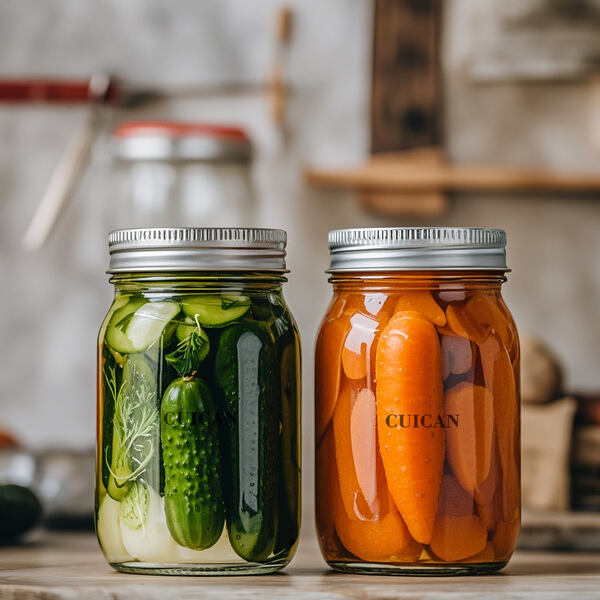
Coffee storage has evolved significantly over the years, with coffee glass jars emerging as the gold standard for preserving freshness and flavor. Whether you're a passionate home barista or a professional café owner, selecting the right storage solution directly impacts your coffee's quality and longevity. Coffee glass jars provide an ideal combination of airtight sealing, visual appeal, and protection from environmental factors that can degrade coffee beans over time. Understanding the importance of proper coffee storage and investing in high-quality coffee glass jars ensures that every cup you brew maintains the rich flavors and aromatic qualities that make exceptional coffee experiences.
Understanding Coffee Storage Fundamentals
The Science Behind Coffee Preservation
Coffee beans are living products that continue to change after roasting, making proper storage crucial for maintaining their peak flavor profile. Exposure to oxygen, light, heat, and moisture accelerates the staling process and diminishes the complex flavors that coffee enthusiasts cherish. Coffee glass jars address these concerns by providing an airtight environment that minimizes oxidation while offering transparency to monitor bean condition. The non-porous nature of glass prevents flavor absorption and ensures that your coffee maintains its intended taste characteristics throughout its storage period.
Research has shown that coffee beans begin losing their flavor compounds within hours of roasting, making immediate and proper storage essential. Coffee glass jars equipped with quality sealing mechanisms can extend the freshness window significantly, preserving volatile oils and aromatic compounds that contribute to exceptional brewing results. Professional roasters and coffee experts consistently recommend glass storage solutions over plastic or metal alternatives due to their inert properties and superior protective capabilities.
Environmental Factors Affecting Coffee Quality
Temperature fluctuations represent one of the most significant threats to coffee bean integrity, causing expansion and contraction that can damage cellular structures. Coffee glass jars provide thermal stability and help maintain consistent internal temperatures when stored in appropriate locations. Additionally, humidity control becomes manageable with properly sealed glass containers, preventing moisture absorption that leads to mold growth and flavor deterioration.
Light exposure, particularly ultraviolet rays, breaks down coffee's delicate flavor compounds and accelerates the aging process. While coffee glass jars offer transparency benefits, selecting containers with UV protection or storing them in dark environments maximizes preservation effectiveness. The combination of proper environmental control and quality coffee glass jars creates optimal conditions for maintaining coffee excellence over extended periods.
Types and Features of Coffee Glass Jars
Airtight Sealing Technologies
Modern coffee glass jars incorporate various sealing technologies designed to create completely airtight environments. Silicone gaskets, metal clasps, and vacuum-sealed lids represent the most effective sealing mechanisms available in today's market. These advanced systems prevent air infiltration while allowing easy access for daily use, making them ideal for both home and commercial applications.
Premium coffee glass jars often feature multiple sealing layers and pressure-release valves that accommodate the natural degassing process of freshly roasted beans. This sophisticated approach prevents pressure buildup while maintaining the airtight seal necessary for long-term storage. Understanding these technological features helps consumers make informed decisions when selecting coffee glass jars that meet their specific storage requirements and usage patterns.
Size and Capacity Considerations
Choosing the appropriate size for coffee glass jars depends on consumption patterns, storage space, and purchasing habits. Home users typically benefit from medium-sized containers that hold between 12 to 16 ounces of coffee beans, providing adequate capacity without compromising freshness through extended exposure periods. Café owners and high-volume users may prefer larger coffee glass jars that accommodate bulk purchases while maintaining portion control for daily operations.
The relationship between container size and coffee freshness becomes critical when considering air-to-coffee ratios within storage vessels. Partially filled coffee glass jars contain more air space, increasing oxidation potential and accelerating flavor degradation. Professional recommendations suggest using multiple smaller containers or adjustable systems that minimize air exposure as coffee quantities decrease during regular use.
Design and Aesthetic Considerations
Visual Appeal in Kitchen and Café Settings
Coffee glass jars serve dual purposes as functional storage solutions and attractive display elements in kitchen and commercial environments. The transparency of glass allows coffee beans to become decorative features, showcasing their natural colors and textures while maintaining practical accessibility. Modern designs range from minimalist cylindrical shapes to ornate vintage-inspired containers that complement various interior design styles.
Contemporary coffee glass jars often incorporate sleek lines, premium materials, and sophisticated finishing touches that enhance their visual appeal. Bamboo lids, copper accents, and etched patterns represent popular design elements that elevate basic storage containers into statement pieces. These aesthetic considerations become particularly important in café settings where customer perception and brand image influence purchasing decisions and overall experience quality.
Ergonomic Features for Daily Use
Practical design elements in coffee glass jars significantly impact user experience and daily convenience. Wide-mouth openings facilitate easy filling and scooping, while textured grip areas prevent slipping during handling. Some coffee glass jars feature measuring guides or portion markers that assist with consistent brewing ratios and inventory management.
Weight distribution and handle placement affect usability, especially in commercial environments where staff members frequently access storage containers throughout busy periods. Well-designed coffee glass jars balance aesthetic appeal with functional requirements, ensuring that daily operations remain efficient while maintaining the protective benefits essential for coffee preservation.
Material Quality and Construction Standards
Glass Composition and Durability
The quality of glass used in coffee storage containers directly impacts their performance, durability, and safety characteristics. Borosilicate glass represents the premium standard for coffee glass jars due to its thermal shock resistance and chemical inertness. This specialized glass composition withstands temperature changes without cracking and maintains structural integrity under various environmental conditions.
Manufacturing standards for coffee glass jars include thickness specifications, stress testing, and quality control measures that ensure consistent performance across production batches. Premium manufacturers employ multi-stage inspection processes and certification protocols that guarantee their products meet or exceed industry standards for food storage applications. Understanding these quality indicators helps consumers identify coffee glass jars that provide long-term value and reliable performance.
Hardware Components and Assembly Quality
The metal hardware, sealing components, and assembly methods used in coffee glass jars significantly influence their overall effectiveness and longevity. Stainless steel clasps, hinges, and wire mechanisms resist corrosion while providing secure closure systems that maintain their functionality over extended use periods. High-quality silicone gaskets maintain flexibility and sealing properties despite repeated opening and closing cycles.
Manufacturing precision in component fitting and assembly directly affects the airtight capabilities of coffee glass jars. Gaps, misalignments, or inferior materials in hardware components can compromise storage effectiveness and lead to premature failure. Professional-grade coffee glass jars undergo rigorous testing procedures that verify seal integrity and mechanical operation before reaching consumers.
Selection Criteria for Different User Types
Home Barista Considerations
Home coffee enthusiasts require coffee glass jars that balance performance, aesthetics, and budget considerations while accommodating typical household consumption patterns. Single-origin coffee collectors often prefer smaller containers that preserve individual flavor profiles, while blend users may opt for larger coffee glass jars that accommodate bulk purchases. Counter space limitations and kitchen design integration become important factors in the selection process.
Home users benefit from coffee glass jars with clear labeling areas, date tracking capabilities, and easy maintenance requirements. Dishwasher compatibility and replacement part availability ensure long-term usability and convenience. The investment in quality coffee glass jars pays dividends through improved coffee experiences and reduced waste from spoiled beans.
Commercial and Café Requirements
Professional coffee operations demand coffee glass jars that withstand high-frequency use while maintaining consistent performance standards. Durability requirements increase significantly in commercial environments where containers experience repeated handling, cleaning cycles, and temperature variations. Large-capacity coffee glass jars with efficient access mechanisms support workflow optimization and inventory management needs.
Commercial users must consider regulatory compliance, safety standards, and insurance requirements when selecting storage solutions. Coffee glass jars designed for professional use often include certification markings, material safety data sheets, and compliance documentation that satisfy health department and insurance company requirements. The initial investment in commercial-grade storage systems provides long-term operational benefits and risk mitigation.
Maintenance and Care Guidelines
Cleaning and Sanitization Protocols
Proper maintenance of coffee glass jars ensures optimal performance and prevents flavor contamination that can affect subsequent coffee batches. Regular cleaning schedules should include complete disassembly of removable components, thorough washing with appropriate cleaning agents, and complete drying before reassembly. Coffee oils and residues can build up over time, requiring periodic deep cleaning procedures.
Sanitization becomes particularly important in commercial settings where health regulations and customer safety considerations mandate specific protocols. Coffee glass jars must be compatible with approved sanitizing agents and procedures without compromising their structural integrity or sealing capabilities. Establishing routine maintenance schedules prevents contamination issues and extends container lifespan.
Storage Environment Optimization
The placement and environmental conditions surrounding coffee glass jars significantly impact their effectiveness and the quality of stored coffee. Cool, dry locations away from direct sunlight and heat sources provide optimal storage conditions. Pantries, dedicated coffee stations, and climate-controlled storage areas represent ideal environments for coffee glass jars.
Monitoring ambient conditions and adjusting storage locations seasonally helps maintain consistent coffee quality throughout the year. Temperature and humidity fluctuations can affect both the coffee contents and the performance of sealing mechanisms in coffee glass jars. Professional operations often employ environmental monitoring systems to ensure optimal storage conditions.
FAQ
How long can coffee beans stay fresh in glass jars
Coffee beans stored in properly sealed coffee glass jars typically maintain peak freshness for 2-4 weeks after roasting, depending on the roast level and environmental conditions. Whole beans preserve their flavor compounds longer than ground coffee, which should be consumed within 1-2 weeks for optimal taste. The airtight seal provided by quality coffee glass jars significantly extends these timeframes compared to original packaging or inferior storage methods.
What size coffee glass jar works best for home use
Most home users find that coffee glass jars with 12-16 ounce capacity provide the ideal balance between freshness preservation and practical convenience. This size accommodates typical weekly coffee consumption while minimizing air exposure as contents decrease. Households with higher consumption rates may benefit from multiple medium-sized containers rather than one large jar to maintain optimal storage conditions.
Are coffee glass jars dishwasher safe
Many coffee glass jars are dishwasher safe, but specific care instructions vary by manufacturer and design. Glass components typically withstand dishwasher cycles, while metal hardware and rubber seals may require hand washing to preserve their functionality. Always check manufacturer specifications and remove gaskets or sensitive components before dishwasher cleaning to prevent damage and ensure longevity.
Do coffee glass jars protect against UV light damage
Standard clear coffee glass jars provide limited UV protection, making storage location crucial for preventing light-induced flavor degradation. Some premium models feature UV-filtering coatings or tinted glass that offers enhanced protection. Regardless of jar type, storing coffee glass jars in dark cupboards or pantries provides the best protection against harmful light exposure while maintaining the visual benefits of transparent storage.