 EN
EN

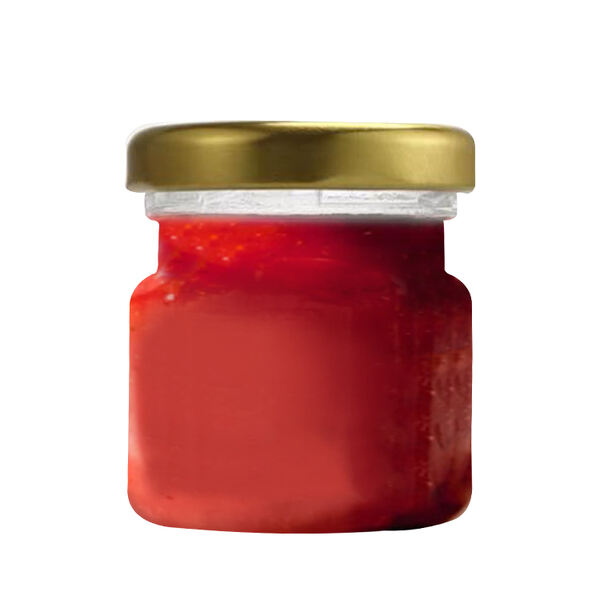
Food storage has evolved significantly over the past decades, with consumers becoming increasingly conscious about preserving freshness while maintaining food safety standards. The choice between glass and plastic containers has become a crucial decision for households, restaurants, and food manufacturers alike. When it comes to selecting the optimal storage solution, glass jars for food storage consistently emerge as the superior option for maintaining product quality and extending shelf life. Understanding the fundamental differences between these materials helps consumers make informed decisions that impact both food preservation and long-term health outcomes.
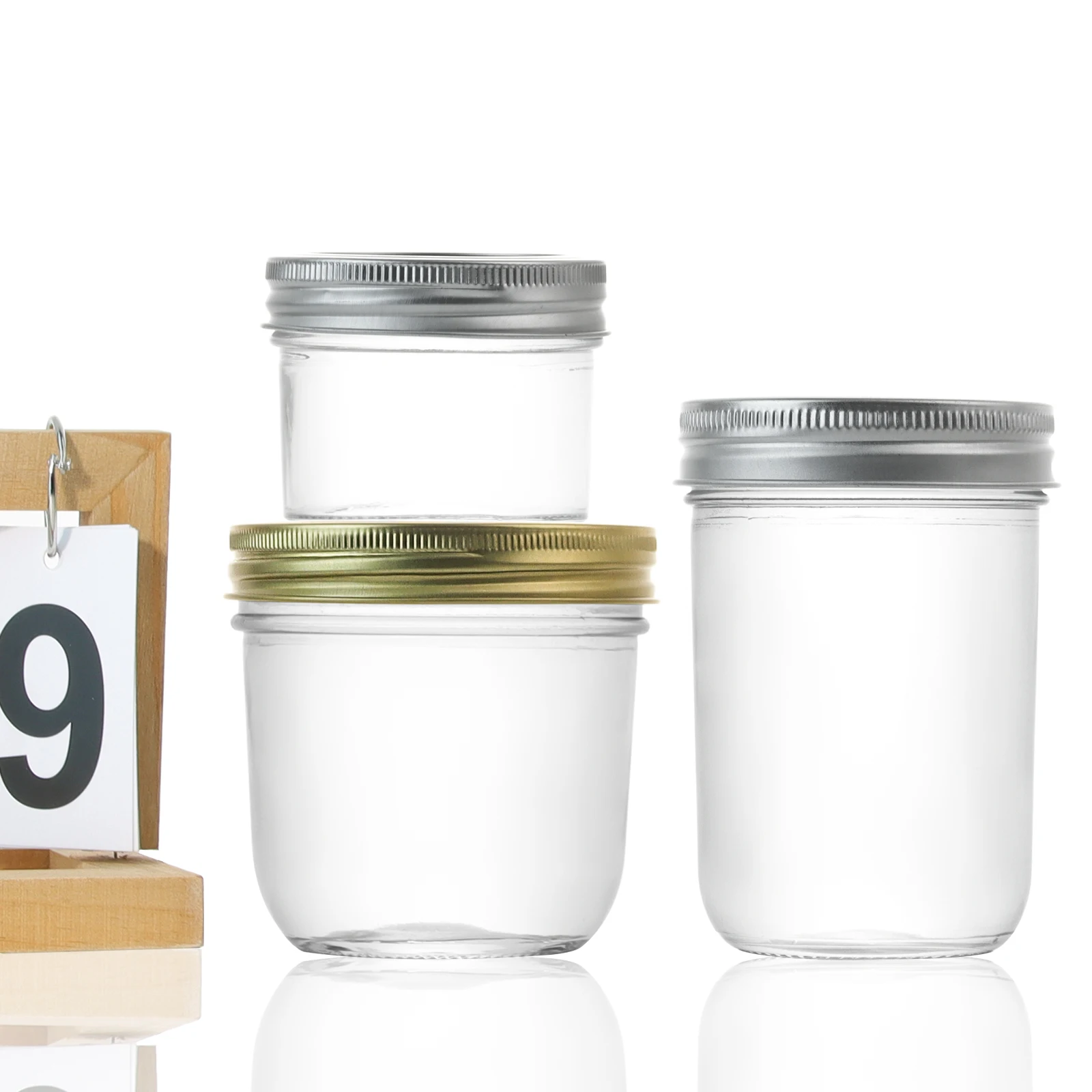
Material Composition and Food Safety Considerations
Chemical Inertness of Glass Materials
Glass jars for food storage provide unmatched chemical stability due to their non-porous molecular structure. Unlike plastic alternatives, glass containers do not contain potentially harmful chemicals such as bisphenol A or phthalates that can migrate into stored foods over time. The inert nature of glass ensures that no chemical reactions occur between the container and its contents, maintaining the original flavor profile and nutritional integrity of stored products. This characteristic becomes particularly important when storing acidic foods, oils, or items with strong flavors that might otherwise interact with plastic surfaces.
Professional food scientists consistently recommend glass jars for food storage when dealing with sensitive ingredients or long-term preservation projects. The molecular density of glass creates an impermeable barrier that prevents external contaminants from entering while simultaneously preventing internal compounds from escaping. This dual protection mechanism ensures that stored foods maintain their intended characteristics throughout extended storage periods without compromising safety standards.
Plastic Container Chemical Concerns
Plastic food containers, while convenient and lightweight, present several chemical stability challenges that impact food safety and quality. Most plastic containers are manufactured using petroleum-based polymers that can degrade over time, especially when exposed to heat, sunlight, or certain food acids. These degradation processes can release microscopic plastic particles and chemical additives into stored foods, potentially affecting taste and raising health concerns among consumers who prioritize clean eating practices.
Research indicates that repeated use and washing of plastic containers can accelerate the breakdown of polymer chains, leading to increased chemical migration rates. Temperature fluctuations during storage or cleaning cycles can cause plastic materials to expand and contract, creating microscopic cracks that harbor bacteria and compromise the container's integrity. These factors make glass jars for food storage a more reliable choice for maintaining consistent food safety standards across various storage conditions.
Preservation Effectiveness and Freshness Retention
Airtight Sealing Capabilities
The superior sealing performance of glass jars for food storage stems from their rigid construction and precision-engineered closure systems. Glass containers maintain their shape and dimensional stability over time, allowing lid mechanisms to create consistent, reliable seals that prevent air infiltration and moisture loss. This mechanical advantage translates directly into extended freshness periods for stored foods, as oxygen exposure remains the primary factor in food deterioration and spoilage processes.
Professional chefs and food preservation specialists recognize that glass containers provide measurably better vacuum retention compared to plastic alternatives. The non-flexible nature of glass walls ensures that internal pressure differentials remain stable, preventing the gradual air leakage that commonly occurs with plastic containers as they age and lose structural integrity. This enhanced sealing capability makes glass jars for food storage particularly effective for vacuum-sealed preservation methods and modified atmosphere packaging applications.
Temperature Stability and Thermal Protection
Glass materials exhibit superior thermal properties that contribute significantly to food preservation effectiveness. Unlike plastic containers that can warp or deform under temperature variations, glass jars for food storage maintain their structural integrity across wide temperature ranges. This stability allows for direct refrigerator-to-room-temperature transitions without compromising seal integrity or container performance, providing greater flexibility in storage and serving applications.
The thermal mass of glass containers also provides natural temperature buffering that helps protect stored foods from rapid temperature fluctuations. This characteristic proves particularly valuable in environments with variable ambient temperatures, as the glass material absorbs and releases heat gradually, creating a more stable microenvironment for sensitive food products. Additionally, glass containers can safely withstand sterilization processes and high-temperature cleaning methods that would damage plastic alternatives.
Environmental Impact and Sustainability Factors
Lifecycle Assessment and Recyclability
From an environmental sustainability perspective, glass jars for food storage demonstrate superior lifecycle performance compared to plastic alternatives. Glass materials can be recycled indefinitely without quality degradation, maintaining their chemical and physical properties through multiple recycling cycles. This infinite recyclability reduces the overall environmental footprint of glass containers, as recycled glass requires less energy to process than manufacturing new containers from raw materials.
The durability and reusability of glass containers further enhance their environmental advantages. Quality glass jars for food storage can serve multiple generations of users when properly maintained, reducing the frequency of replacement purchases and minimizing waste generation. This longevity factor becomes increasingly important as consumers seek sustainable alternatives to single-use packaging and disposable storage solutions that contribute to environmental pollution.
Manufacturing Energy and Carbon Footprint
While glass manufacturing requires higher initial energy inputs compared to plastic production, the extended lifespan and recyclability of glass containers result in lower overall environmental impact when calculated across their complete lifecycle. Modern glass manufacturing facilities increasingly utilize recycled content and renewable energy sources, further reducing the carbon footprint associated with producing glass jars for food storage. These improvements in manufacturing efficiency help offset the higher initial energy requirements.
The transportation considerations for glass containers present both challenges and opportunities from an environmental perspective. Although glass containers weigh more than plastic alternatives, their durability eliminates the need for frequent replacements, potentially reducing overall transportation impacts over extended periods. Advanced packaging designs and regional distribution strategies help minimize transportation-related environmental impacts while maximizing the sustainability benefits of choosing glass jars for food storage.
Economic Considerations and Long-Term Value
Initial Investment and Cost Analysis
The upfront cost of glass jars for food storage typically exceeds that of comparable plastic containers, but this initial investment delivers superior long-term value through extended service life and enhanced performance characteristics. Quality glass containers can provide decades of reliable service when properly maintained, effectively amortizing their higher purchase price across thousands of use cycles. This economic advantage becomes more pronounced for users who regularly store foods and require dependable preservation performance.
Professional food service operations often find that investing in glass jars for food storage reduces long-term operational costs through improved food preservation efficiency and reduced spoilage rates. The superior sealing and preservation capabilities of glass containers can extend food freshness periods, reducing waste and maximizing the value of stored ingredients. These operational benefits often offset the higher initial container costs within the first year of use.
Replacement Frequency and Maintenance Costs
Plastic food containers typically require replacement every few months to maintain optimal performance, as repeated use and cleaning cycles degrade their sealing capabilities and structural integrity. In contrast, glass jars for food storage can maintain peak performance for many years with minimal maintenance requirements. This durability advantage translates into significant cost savings over time, as users avoid frequent replacement purchases and associated shopping time.
The maintenance requirements for glass containers remain minimal, typically involving only standard washing and occasional lid replacement. Quality glass jars for food storage resist staining, odor absorption, and surface degradation that commonly affect plastic containers, maintaining their appearance and functionality throughout extended service periods. This low-maintenance characteristic contributes to the overall economic advantages of choosing glass storage solutions.
Practical Applications and User Experience
Storage Versatility and Container Sizes
Modern glass jars for food storage are available in comprehensive size ranges that accommodate diverse storage needs, from small portion containers to large bulk storage applications. The variety of available sizes allows users to optimize storage efficiency while maintaining appropriate portion controls for different food types. Standard sizes typically range from small 100ml containers perfect for spices and condiments to large 1000ml jars suitable for bulk ingredients and meal prep applications.
The consistent sizing and stackable designs of quality glass containers maximize refrigerator and pantry space utilization. Unlike irregularly shaped plastic containers that waste storage space, glass jars for food storage feature standardized dimensions that facilitate efficient organization systems. This space optimization becomes particularly valuable in commercial kitchens and compact residential storage areas where maximizing capacity remains essential.
Visibility and Contents Identification
The crystal-clear transparency of glass containers provides superior visibility for stored contents, eliminating guesswork and reducing food waste through improved inventory management. Users can quickly identify stored items and assess freshness levels without opening containers, preserving seal integrity while facilitating efficient meal planning and preparation processes. This visibility advantage proves particularly valuable for users who maintain extensive food storage systems.
The non-reactive surface of glass jars for food storage maintains optical clarity throughout extended use periods, unlike plastic containers that may develop cloudiness or discoloration over time. This sustained transparency ensures that stored foods remain easily identifiable and visually appealing, supporting both practical storage needs and aesthetic presentation requirements in kitchen environments.
FAQ
Are glass jars completely safe for all food types?
Glass jars for food storage are considered safe for virtually all food types due to their chemically inert properties. They do not react with acidic foods, oils, or strongly flavored items, making them suitable for everything from pickled vegetables to homemade sauces. The only precaution involves avoiding extreme temperature changes that could cause thermal shock, such as placing a hot jar directly into cold water.
How do glass containers compare to plastic for freezer storage?
Glass jars for food storage can be used in freezer applications, but require specific considerations for safe use. Leave adequate headspace for food expansion during freezing, and choose containers with straight sides rather than curved shoulders to prevent stress fractures. While plastic containers may seem more convenient for freezer use, quality glass containers provide superior long-term performance and eliminate concerns about plastic becoming brittle at low temperatures.
What maintenance is required to keep glass food storage containers in optimal condition?
Maintaining glass jars for food storage requires minimal effort beyond regular washing with warm soapy water. Avoid using abrasive cleaners that could scratch the surface, and inspect lids periodically for wear or damage. Most glass containers are dishwasher safe, though hand washing helps preserve any printed labels or decorative elements. Proper storage in stable locations prevents accidental damage and ensures long service life.
Can glass containers help extend food freshness compared to plastic alternatives?
Yes, glass jars for food storage typically provide superior freshness retention due to their excellent sealing capabilities and non-porous surface properties. The airtight seals possible with rigid glass containers prevent air infiltration more effectively than flexible plastic alternatives. Additionally, glass does not absorb odors or flavors, preventing cross-contamination between different stored foods and maintaining the original taste profiles of stored items for extended periods.