 EN
EN

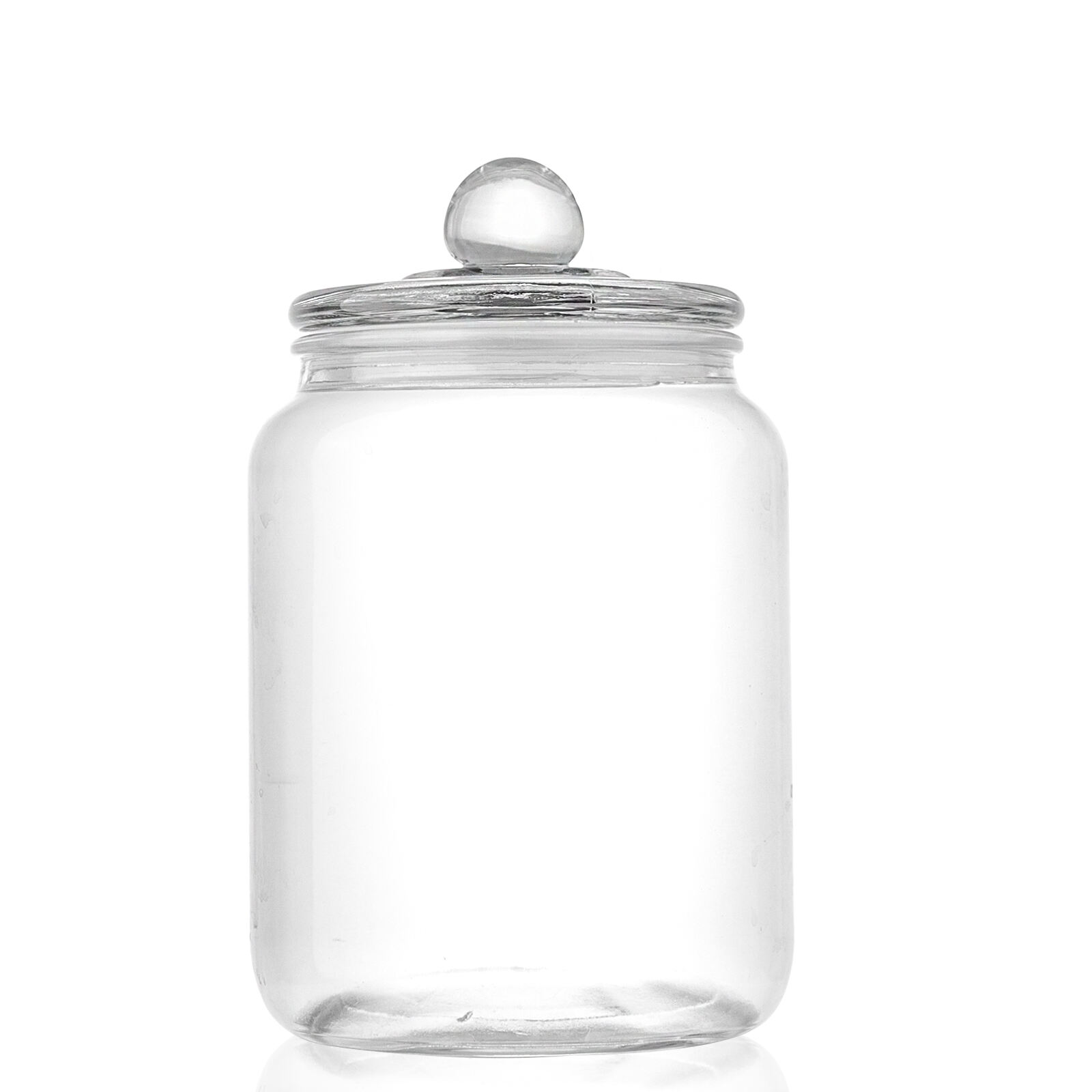
Long-term food storage has become increasingly important for modern households seeking to reduce waste, save money, and maintain organized kitchens. The key to successful preservation lies in selecting the right containers, and airtight food glass jars stand out as the premier choice for maintaining freshness and preventing contamination. These versatile storage solutions offer superior protection against moisture, pests, and air exposure while providing clear visibility of contents and easy access when needed.
Understanding the Benefits of Glass Storage Containers
Superior Material Properties
Glass containers offer unmatched advantages over plastic alternatives when it comes to food preservation. Unlike plastic materials that can absorb odors and flavors from stored foods, airtight food glass jars maintain their neutral properties indefinitely. The non-porous nature of glass prevents bacterial growth and eliminates the risk of chemical leaching that commonly occurs with plastic containers exposed to heat or acidic foods. This makes glass the ideal choice for storing everything from dried beans and grains to pickled vegetables and fermented foods.
The durability of glass construction ensures that your storage investment will last for decades with proper care. High-quality airtight food glass jars resist scratches, stains, and degradation from repeated washing cycles. The clarity of glass also allows for easy identification of contents without opening the container, which helps maintain the seal and extends storage life. Temperature resistance is another crucial advantage, as glass containers can safely transition from refrigerator to room temperature without compromising their structural integrity.
Environmental and Health Considerations
Choosing airtight food glass jars aligns with sustainable living practices and environmental consciousness. Glass is infinitely recyclable without loss of quality, making it an eco-friendly option for long-term storage needs. The absence of harmful chemicals like BPA, phthalates, and other plastic additives ensures that stored foods remain free from contamination. This is particularly important for families with young children or individuals with sensitive health conditions who need to minimize exposure to potentially harmful substances.
The longevity of glass containers also reduces the need for frequent replacements, minimizing waste generation and long-term costs. When properly maintained, airtight food glass jars can serve multiple generations while maintaining their effectiveness and appearance. The ability to reuse these containers for various purposes throughout their lifetime further enhances their environmental value and practical utility in modern households.
Essential Features for Effective Food Storage
Seal Technology and Design
The effectiveness of any storage container depends heavily on its sealing mechanism, and airtight food glass jars incorporate various technologies to ensure optimal preservation. The most reliable designs feature multi-component lids with silicone gaskets or rubber seals that create an impermeable barrier against air and moisture infiltration. These seals must maintain their elasticity over time while resisting degradation from temperature fluctuations and repeated use.
Wire bail closures represent the gold standard in jar sealing systems, providing consistent pressure distribution around the entire lid circumference. This design ensures that airtight food glass jars maintain their seal even when subjected to minor impacts or temperature changes. The mechanical advantage of lever-action closures makes opening and closing effortless while providing visual confirmation of proper sealing through the secured position of the closure mechanism.
Size and Capacity Planning
Selecting appropriate sizes for your airtight food glass jars requires careful consideration of consumption patterns, available storage space, and the types of foods you plan to preserve. Smaller jars work best for spices, herbs, and frequently used ingredients that need regular access, while larger containers suit bulk items like flour, rice, and seasonal preserves. The key is matching jar capacity to typical usage quantities to minimize air exposure during storage periods.
Professional food storage experts recommend having a variety of jar sizes to accommodate different storage needs efficiently. Medium-sized containers often provide the best balance between storage capacity and practical handling, making them ideal for most household applications. Consider the shelf life of different foods when selecting jar sizes, as items with longer storage periods benefit from larger containers that reduce the frequency of opening and potential contamination risks.
Material Quality and Construction Standards
Glass Thickness and Durability
The quality of glass used in manufacturing directly impacts the performance and longevity of airtight food glass jars. Thick-walled construction provides superior resistance to thermal shock and mechanical stress while maintaining structural integrity under various storage conditions. Borosilicate glass represents the premium choice for high-performance applications due to its exceptional thermal expansion properties and chemical resistance.
Tempered glass construction offers enhanced safety features through controlled stress distribution that causes the material to break into small, relatively harmless pieces if damaged. This safety consideration becomes particularly important in busy kitchens or households with children where accidental impacts may occur. The manufacturing process for quality airtight food glass jars includes rigorous testing to ensure consistent wall thickness and stress distribution throughout the container.
Hardware Component Quality
The metal components of closure systems must resist corrosion and maintain their mechanical properties over extended periods of use. Stainless steel hardware provides the best combination of strength, durability, and resistance to food acids and cleaning chemicals. The precision of manufacturing tolerances affects the proper fit and function of closure mechanisms, directly impacting the effectiveness of the airtight seal.
Replacement part availability should factor into your selection process, as even the highest-quality airtight food glass jars may eventually require new gaskets or closure components. Reputable manufacturers provide replacement parts and detailed specifications to ensure continued performance throughout the container's service life. The ease of disassembly for cleaning and maintenance also affects long-term usability and hygiene maintenance.
Proper Selection Criteria for Different Applications
Dry Goods Storage Requirements
Different types of dry goods present unique storage challenges that influence the selection of appropriate airtight food glass jars. Grains, legumes, and cereals require protection from insects and rodents while maintaining low moisture levels to prevent spoilage and mold growth. The airtight seal prevents pest infiltration while the transparent glass allows for visual monitoring of contents without compromising the storage environment.
Flour, sugar, and baking ingredients benefit from containers that exclude humidity while allowing easy access for measuring and portioning. Wide-mouth designs facilitate scooping and cleaning while maintaining the integrity of fine powders and granulated materials. The chemical inertness of glass ensures that stored ingredients maintain their original flavors and properties without absorbing odors from other stored items or environmental contaminants.
Liquid and Semi-Liquid Storage
Preserves, sauces, and fermented foods require airtight food glass jars with exceptional seal integrity to prevent leakage and maintain proper fermentation conditions. The non-reactive nature of glass makes it ideal for acidic foods that would corrode metal containers or absorb into plastic materials. Proper jar selection for liquid storage must account for thermal expansion and contraction cycles that could compromise inferior sealing systems.
The ability to safely process filled jars through heat treatment methods like water bath canning expands the utility of quality glass containers beyond simple storage applications. This versatility makes airtight food glass jars essential tools for home food preservation enthusiasts who engage in canning, pickling, and fermentation activities throughout the year.
Maintenance and Care Practices
Cleaning and Sanitization Protocols
Proper maintenance of airtight food glass jars begins with establishing effective cleaning routines that preserve both the container and sealing components. Hot water and mild detergent effectively remove food residues without damaging glass surfaces or degrading gasket materials. Avoid abrasive cleaners or scouring pads that could create microscopic scratches where bacteria might accumulate over time.
Periodic deep cleaning with vinegar solutions helps remove mineral deposits and stubborn stains while maintaining the clarity and appearance of glass containers. The removable nature of most closure systems allows for thorough cleaning of all components, including hard-to-reach areas around gaskets and closure mechanisms. Proper drying before storage prevents water spots and reduces the risk of mold or mildew development in sealed containers.
Seal Inspection and Replacement
Regular inspection of sealing components ensures continued effectiveness of airtight food glass jars throughout their service life. Gaskets and seals should be examined for signs of wear, cracking, or permanent deformation that could compromise their sealing ability. The flexibility and compression characteristics of gasket materials change over time, particularly when exposed to temperature extremes or aggressive cleaning chemicals.
Replacement schedules depend on usage frequency and storage conditions, but most quality gaskets provide reliable service for several years under normal conditions. Keeping spare gaskets available ensures uninterrupted use of containers while allowing for immediate replacement when wear becomes apparent. The cost-effectiveness of gasket replacement compared to container replacement makes regular maintenance an economically sound practice for serious food storage applications.
FAQ
How long can food be safely stored in airtight glass jars
The storage duration for foods in airtight food glass jars depends on the type of food, storage conditions, and preparation methods. Properly dried grains and legumes can maintain quality for 2-3 years when stored in cool, dark locations with stable temperatures. Canned goods processed using appropriate heat treatment methods can remain safe and nutritious for several years when stored under optimal conditions. Regular monitoring of stored foods for signs of spoilage ensures food safety regardless of theoretical storage limits.
Can airtight glass jars be used in the freezer
Most airtight food glass jars can safely be used for freezer storage when proper precautions are observed. Leave adequate headspace to accommodate expansion during freezing, and avoid rapid temperature changes that could cause thermal shock. Tempered or borosilicate glass constructions offer superior resistance to thermal stress compared to standard glass formulations. Always verify manufacturer specifications before using containers for freezer applications to ensure safety and performance.
What size jar is best for different types of food storage
Jar size selection should match typical consumption patterns and storage requirements for specific foods. Small jars work well for spices, herbs, and condiments used in small quantities, while medium containers suit everyday items like coffee, tea, and baking ingredients. Large airtight food glass jars excel for bulk storage of grains, flour, and seasonal preserves. Consider the frequency of access and shelf life when selecting sizes to minimize air exposure during storage periods.
How do I know if the seal is working properly
A properly functioning seal on airtight food glass jars should create noticeable resistance when opening and provide a slight suction effect when the seal is broken. Visual inspection should show even contact between the gasket and jar rim without gaps or distortion. The closure mechanism should engage smoothly and hold firmly in the sealed position. Periodic testing with water can help identify potential leak points, though this method should be used sparingly to avoid repeated exposure to moisture.