 EN
EN


In today's competitive business landscape, cost management stands as a critical factor for success across industries ranging from food production to retail, hospitality, and craft manufacturing. For businesses that rely on glass containers for packaging, storage, or presentation, buying mason jars in bulk represents one of the most strategic procurement decisions available. This approach not only reduces unit costs substantially but also ensures consistent inventory availability, streamlines supplier relationships, and supports scalable business growth. Whether you operate a small-batch artisan food company, manage a restaurant chain, run a wedding and event planning service, or manufacture value-added products, understanding the financial and operational advantages of bulk purchasing can transform your bottom line while maintaining the quality standards your customers expect.
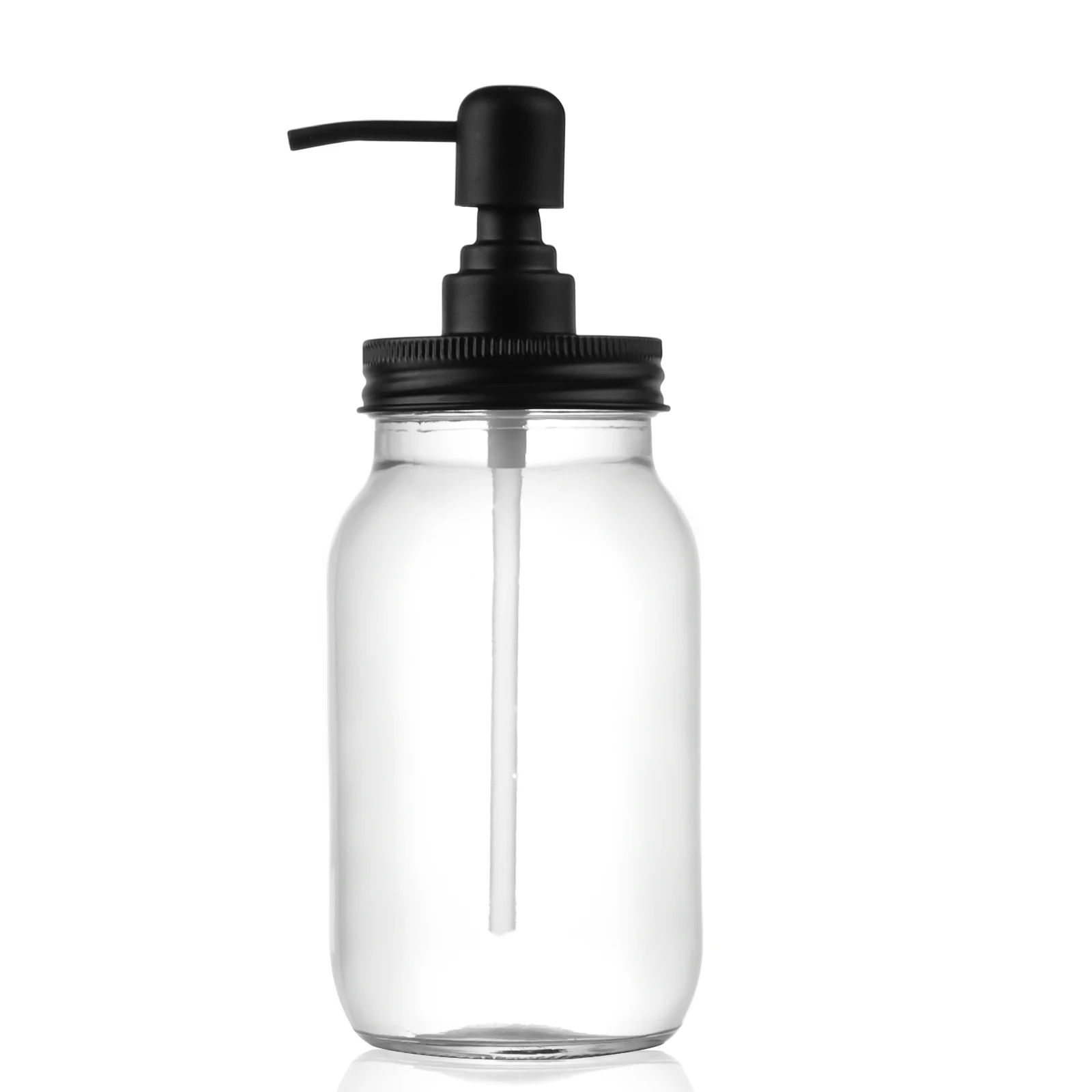
The decision to transition from retail or small-quantity purchasing to bulk procurement involves careful consideration of multiple business factors including storage capacity, cash flow requirements, quality assurance protocols, and long-term operational planning. Many business owners initially hesitate when considering bulk orders due to concerns about upfront investment, warehousing needs, or commitment to single suppliers. However, when analyzed through the lens of total cost of ownership, inventory optimization, and supply chain reliability, buying mason jars in bulk consistently emerges as a financially sound strategy that delivers measurable returns across quarterly and annual reporting periods. This comprehensive guide explores the multifaceted cost benefits, practical implementation strategies, quality considerations, and business scenarios where bulk purchasing delivers maximum value to organizations of all sizes.
Understanding the Financial Economics of Bulk Mason Jar Procurement
Unit Cost Reduction Through Volume Purchasing
The most immediate and quantifiable benefit when buying mason jars in bulk lies in the substantial reduction of per-unit costs compared to retail or small-quantity purchases. Manufacturing economics dictate that production runs become more efficient at scale, and suppliers pass these savings to customers who commit to larger order volumes. Businesses typically experience cost reductions ranging from thirty to sixty percent per jar when ordering in bulk quantities of several thousand units compared to purchasing hundreds at retail prices. This pricing differential stems from multiple factors including reduced packaging costs per unit, optimized shipping and logistics expenses, decreased handling requirements, and elimination of retail markup layers that exist in traditional distribution channels.
Beyond the obvious per-jar savings, bulk purchasing eliminates the hidden costs associated with frequent reordering cycles. Each purchase transaction carries administrative overhead including purchase order processing, invoice reconciliation, payment processing fees, and receiving procedures. When businesses consolidate their annual or quarterly mason jar requirements into strategic bulk orders, they dramatically reduce these transactional costs while freeing up procurement staff time for higher-value activities. Financial analysis consistently demonstrates that the total cost of acquisition decreases significantly when administrative burden is factored into the equation alongside unit pricing.
Cash Flow Optimization and Budget Predictability
While buying mason jars in bulk requires larger upfront capital allocation, this approach actually enhances cash flow predictability and budget management over extended periods. Businesses that purchase containers reactively in small quantities face ongoing price volatility driven by market fluctuations, supplier pricing changes, and seasonal demand variations. Bulk purchasing locks in pricing for substantial inventory volumes, creating cost certainty that enables more accurate financial forecasting and profit margin calculation. This pricing stability proves particularly valuable for businesses operating on thin margins or those requiring precise cost accounting for customer quotations and contract bidding.
Furthermore, strategic bulk procurement aligns inventory investment with business growth trajectories and seasonal demand patterns. Companies can time large purchases to coincide with favorable pricing periods, supplier promotions, or pre-season planning cycles, maximizing purchasing power while ensuring adequate stock availability during peak operational periods. This proactive approach prevents emergency purchases at premium prices when inventory runs unexpectedly low, a common scenario that erodes profitability for businesses relying on just-in-time procurement without sufficient buffer stock.
Shipping and Logistics Cost Efficiencies
Transportation costs represent a significant component of total product cost for glass containers, and buying mason jars in bulk delivers substantial freight savings through consolidated shipments. Suppliers typically offer significantly reduced per-unit shipping rates for full pallet or full container loads compared to less-than-truckload shipments. A business ordering ten thousand jars in a single shipment will pay dramatically less per jar in freight costs than a company ordering one thousand jars ten separate times throughout the year, even when accounting for total volume equivalency.
These logistics advantages extend beyond basic freight rates to encompass warehousing efficiencies, reduced receiving labor, and streamlined inventory management processes. Single large shipments require one receiving event with associated labor and quality inspection procedures, whereas multiple small shipments multiply these operational costs. Additionally, bulk orders enable businesses to negotiate favorable freight terms, take advantage of backhaul opportunities, and potentially qualify for free or discounted shipping that suppliers reserve for high-volume customers.
Quality Assurance and Product Consistency Benefits
Maintaining Uniform Product Standards Across Production Runs
Product consistency represents a critical yet often overlooked advantage when buying mason jars in bulk from established suppliers. Manufacturing variations between different production batches can result in subtle differences in glass thickness, color tint, closure mechanisms, and dimensional tolerances. For businesses where product presentation directly impacts brand perception and customer satisfaction, these variations can create quality control challenges and aesthetic inconsistencies across product lines. Bulk purchasing from single production runs ensures that all jars maintain identical specifications, creating uniformity in packaging appearance and functional performance.
This consistency proves particularly important for businesses engaged in branded product manufacturing, where packaging serves as a key element of brand identity and market positioning. Food producers, cosmetics manufacturers, and artisan goods creators rely on packaging uniformity to reinforce brand recognition and maintain professional presentation standards across retail channels. When customers can visually identify products through consistent packaging, brand loyalty strengthens and perceived product quality increases, justifying premium pricing strategies that enhance profitability.
Establishing Quality Control Protocols with Bulk Suppliers
Bulk purchasing relationships enable businesses to implement more rigorous quality assurance protocols than typically available through retail or small-quantity channels. Suppliers servicing large-volume customers generally accommodate detailed specification requirements, pre-shipment inspection requests, and documented quality certifications that provide assurance of product conformity to standards. Businesses buying mason jars in bulk can negotiate quality agreements that specify acceptable defect rates, dimensional tolerances, and performance criteria, creating contractual protections unavailable in transactional purchasing relationships.
Moreover, established supplier relationships facilitate rapid resolution of quality issues when they occur. Large-volume customers receive priority attention for product replacements, warranty claims, and technical support compared to occasional small-quantity buyers. This responsive service minimizes operational disruptions and protects business continuity when container quality issues threaten production schedules or customer deliveries.
Ensuring Food Safety and Regulatory Compliance
For food industry applications, buying mason jars in bulk from reputable suppliers ensures access to containers meeting stringent food safety regulations and industry certifications. Quality bulk suppliers provide documentation confirming that their products comply with FDA requirements, EU food contact materials regulations, and relevant international standards. These certifications become increasingly important as regulatory scrutiny intensifies and consumer awareness of packaging safety grows across global markets.
Bulk suppliers serving the food industry typically maintain robust quality management systems including regular testing for lead content, chemical migration, thermal shock resistance, and seal integrity. Access to these documented quality processes provides businesses with the traceability and compliance evidence necessary to satisfy regulatory inspections, customer audits, and certification requirements for organic, kosher, or specialty food designations.
Operational Advantages and Business Scalability
Inventory Security and Production Continuity
One of the most significant operational benefits when buying mason jars in bulk involves establishing inventory security that protects against supply disruptions and supports uninterrupted production schedules. Businesses maintaining adequate bulk inventory can weather supplier delays, transportation disruptions, or unexpected demand surges without compromising customer commitments or production timelines. This inventory buffer creates operational resilience particularly valuable during peak seasons, promotional periods, or market conditions characterized by supply chain volatility.
Manufacturing businesses particularly benefit from this continuity assurance, as container shortages can idle production lines, waste prepared ingredients or formulations, and delay customer shipments with resulting revenue loss and relationship damage. Strategic bulk purchasing transforms containers from a potential operational bottleneck into a controlled inventory asset that supports reliable production planning and customer service excellence.
Supporting Business Growth and Market Expansion
Buying mason jars in bulk positions businesses for scalable growth by establishing cost structures and supply relationships that accommodate increasing production volumes without proportional cost increases. Companies experiencing growth can leverage existing bulk supplier relationships to incrementally increase order volumes, often securing additional volume discounts as purchasing power expands. This scalability proves far more efficient than attempting to establish new supplier relationships or renegotiate terms repeatedly as business volumes increase.
Furthermore, adequate bulk inventory enables businesses to capitalize on unexpected opportunities including large customer orders, retail placement opportunities, or seasonal demand spikes that might otherwise be declined due to container availability constraints. The ability to fulfill significant orders rapidly without procurement delays provides competitive advantages in dynamic markets where responsiveness separates successful businesses from those constrained by supply limitations.
Streamlining Procurement and Administrative Operations
Administrative efficiency represents an underappreciated advantage of buying mason jars in bulk compared to frequent small-quantity purchasing. Procurement teams spend significantly less time on vendor communications, quote comparisons, purchase order generation, and invoice processing when annual or quarterly container requirements are consolidated into strategic bulk orders. This time savings allows procurement professionals to focus on supplier relationship management, cost optimization initiatives, and strategic sourcing activities that deliver greater organizational value than transactional purchasing tasks.
Additionally, bulk purchasing simplifies inventory accounting and cost allocation processes by reducing the number of transactions requiring general ledger entries, cost center allocations, and inventory valuation adjustments. Financial reporting becomes more straightforward when container costs reflect bulk purchase pricing rather than variable retail pricing across multiple small transactions throughout accounting periods.
Strategic Considerations for Implementing Bulk Purchasing Programs
Assessing Storage Capacity and Warehousing Requirements
Successful implementation of bulk purchasing strategies requires careful evaluation of warehousing capacity and storage infrastructure. Mason jars, while durable, demand appropriate storage conditions to prevent damage and maintain quality. Businesses must assess whether existing facilities can accommodate pallet quantities safely and accessibly, or whether additional storage solutions including off-site warehousing, climate-controlled facilities, or expanded on-site capacity become necessary. The incremental storage costs should be factored into total cost analysis when comparing bulk purchasing against alternative procurement approaches.
Proper storage protocols maximize the value of bulk inventory by preventing breakage, contamination, and quality degradation. Best practices include maintaining stable temperature and humidity conditions, protecting containers from direct sunlight, implementing organized inventory rotation systems, and ensuring adequate spacing between pallets to facilitate safe handling and stock rotation. These storage investments protect the capital deployed in bulk inventory while ensuring that containers maintain quality specifications until needed for production.
Evaluating Supplier Reliability and Partnership Potential
The decision to commit to buying mason jars in bulk necessitates thorough supplier evaluation to ensure reliability, quality consistency, and long-term partnership viability. Businesses should assess potential suppliers across multiple dimensions including manufacturing capabilities, quality management systems, financial stability, customer service responsiveness, and industry reputation. Establishing relationships with suppliers who demonstrate commitment to customer success creates partnerships that extend beyond transactional purchasing to encompass collaborative problem-solving, product development support, and mutual growth opportunities.
Due diligence should include requesting samples for quality evaluation, reviewing customer references, examining quality certifications, and potentially conducting facility audits for particularly critical applications. The investment in comprehensive supplier vetting pays dividends through reduced quality issues, reliable delivery performance, and responsive support when challenges arise. Businesses should also consider supplier capacity to scale with business growth, ensuring that today's bulk supplier can accommodate tomorrow's expanded volume requirements without quality or service degradation.
Calculating Total Cost of Ownership and Return on Investment
Comprehensive financial analysis should guide bulk purchasing decisions by calculating total cost of ownership rather than focusing exclusively on per-unit pricing. This analysis encompasses purchase price, freight costs, storage expenses, capital cost of inventory investment, insurance, handling labor, and administrative overhead. When these factors are quantified and compared against alternative procurement approaches, the true financial impact of buying mason jars in bulk becomes evident, typically revealing substantial cost advantages that justify the upfront investment and operational adjustments required.
Return on investment calculations should also factor in qualitative benefits including reduced stockout risk, enhanced production flexibility, improved supplier relationships, and competitive advantages gained through cost leadership. These intangible benefits often deliver value exceeding the direct cost savings, particularly for growth-oriented businesses operating in competitive markets where operational agility and cost efficiency determine market success.
Industry-Specific Applications and Use Case Scenarios
Food and Beverage Manufacturing Operations
Food and beverage manufacturers represent prime candidates for buying mason jars in bulk due to consistent, predictable container requirements and the direct impact of packaging costs on product profitability. Businesses producing jams, jellies, pickled products, sauces, honey, and specialty beverages typically operate production schedules that consume hundreds or thousands of jars weekly, creating ideal conditions for bulk procurement advantages. The ability to lock in container costs enables accurate pricing for retail customers and distribution partners while protecting profit margins against packaging cost volatility.
Additionally, food manufacturers benefit from the quality consistency and regulatory compliance assurance that established bulk suppliers provide. The ability to source containers with documented food safety certifications, lot traceability, and consistent specifications supports both regulatory compliance and brand quality standards that differentiate premium products in competitive markets.
Hospitality and Restaurant Industry Applications
Restaurants, cafes, catering companies, and hospitality venues increasingly utilize mason jars for beverage service, dessert presentations, and take-out packaging, creating substantial ongoing container demand. Buying mason jars in bulk enables these businesses to standardize presentation across locations, reduce per-unit costs to levels that make disposable or rental alternatives economically uncompetitive, and ensure consistent inventory availability during high-volume service periods. The cost savings from bulk purchasing often enable businesses to implement signature presentations using quality glassware that enhances customer experience and social media appeal.
Multi-location hospitality operators particularly benefit from centralized bulk purchasing that standardizes specifications, leverages combined purchasing power, and simplifies logistics through coordinated distribution to individual locations. This approach creates operational consistency while maximizing cost efficiency across the enterprise.
Craft and Artisan Product Manufacturing
Small-batch producers of candles, bath products, craft cocktail ingredients, and artisan goods find that buying mason jars in bulk transforms previously prohibitive packaging costs into manageable expenses that support professional product presentation and competitive pricing. For makers transitioning from hobby production to commercial operations, bulk purchasing represents a critical step toward business viability by reducing packaging costs to levels that allow profitable pricing while maintaining quality presentation standards.
These businesses benefit not only from direct cost savings but also from the professional credibility that comes from packaging consistency and quality suppliers. The ability to offer products in uniform, professional packaging enhances brand perception and supports premium pricing strategies that reflect the artisanal nature and quality standards of handcrafted products.
FAQ
What minimum order quantities typically qualify as bulk purchasing for mason jars?
Bulk purchasing thresholds vary by supplier and jar specifications, but generally begin at pallet quantities ranging from 500 to 2,000 units depending on jar size and supplier policies. Many wholesalers offer tiered pricing with incremental discounts at 1,000, 5,000, and 10,000 unit levels, with the most substantial per-unit savings typically materializing at full container loads of 15,000 to 30,000 jars. Businesses should request detailed pricing breakdowns from multiple suppliers to identify the order volume that optimizes cost savings relative to their storage capacity and usage rates.
How should businesses manage inventory risk when committing to large bulk orders?
Effective inventory risk management for bulk purchases involves several strategies including accurate demand forecasting based on historical usage data and growth projections, maintaining relationships with multiple suppliers to ensure alternative sources if primary suppliers encounter issues, implementing proper storage protocols to prevent damage and quality degradation, and considering inventory insurance for high-value bulk purchases. Businesses should also negotiate return or exchange provisions with suppliers for defective products and establish clear quality acceptance criteria before delivery. Starting with moderately sized bulk orders and progressively increasing volumes as confidence in demand forecasting and supplier reliability grows represents a prudent approach for businesses new to bulk purchasing.
Can small businesses benefit from bulk purchasing or is this strategy only viable for large operations?
Small businesses absolutely can benefit from buying mason jars in bulk, though the optimal order quantities differ from larger enterprises. Even relatively modest bulk orders of 500 to 1,000 jars deliver meaningful cost savings compared to retail purchasing while remaining manageable for small storage facilities and working capital constraints. Small businesses might consider cooperative purchasing arrangements with other local producers to combine orders and reach higher volume discount tiers, or explore supplier programs specifically designed for emerging businesses that offer bulk pricing advantages with more flexible minimum order requirements. The key is matching order size to realistic usage rates while capturing available volume discounts.
What quality verification steps should businesses take before accepting bulk mason jar deliveries?
Upon delivery of bulk mason jar orders, businesses should implement systematic inspection protocols including verification of order quantity against shipping documentation, visual inspection of packaging condition for shipping damage, random sampling of jars from multiple cartons or pallets to assess for manufacturing defects including chips, cracks, or dimensional inconsistencies, testing of closure mechanisms and seals for proper function, and verification that products match specifications including size, style, and any custom features ordered. Documenting this inspection process with photographs and written notes creates records supporting any warranty claims or quality disputes. Businesses should establish acceptance criteria with suppliers before delivery and reserve the right to refuse shipments failing to meet agreed specifications, ensuring that bulk purchases deliver the quality standards necessary for business operations.
Table of Contents
- Understanding the Financial Economics of Bulk Mason Jar Procurement
- Quality Assurance and Product Consistency Benefits
- Operational Advantages and Business Scalability
- Strategic Considerations for Implementing Bulk Purchasing Programs
- Industry-Specific Applications and Use Case Scenarios
-
FAQ
- What minimum order quantities typically qualify as bulk purchasing for mason jars?
- How should businesses manage inventory risk when committing to large bulk orders?
- Can small businesses benefit from bulk purchasing or is this strategy only viable for large operations?
- What quality verification steps should businesses take before accepting bulk mason jar deliveries?