 EN
EN

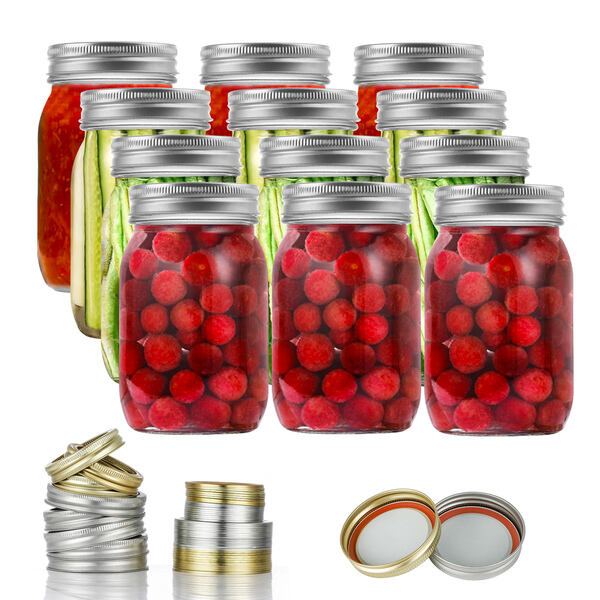
Finding reliable sources to purchase mason jars in bulk online has become increasingly important for businesses ranging from food packaging companies to craft breweries, candle manufacturers, and event planning services. The demand for quality glass containers continues to grow as more entrepreneurs and established businesses recognize the versatility, sustainability, and premium appeal that mason jars offer. Whether you're a small artisan producer looking to scale up or a procurement manager seeking cost-effective packaging solutions, identifying the best online platforms for bulk mason jar purchases requires careful consideration of supplier reliability, product quality, pricing structures, minimum order quantities, and shipping logistics.
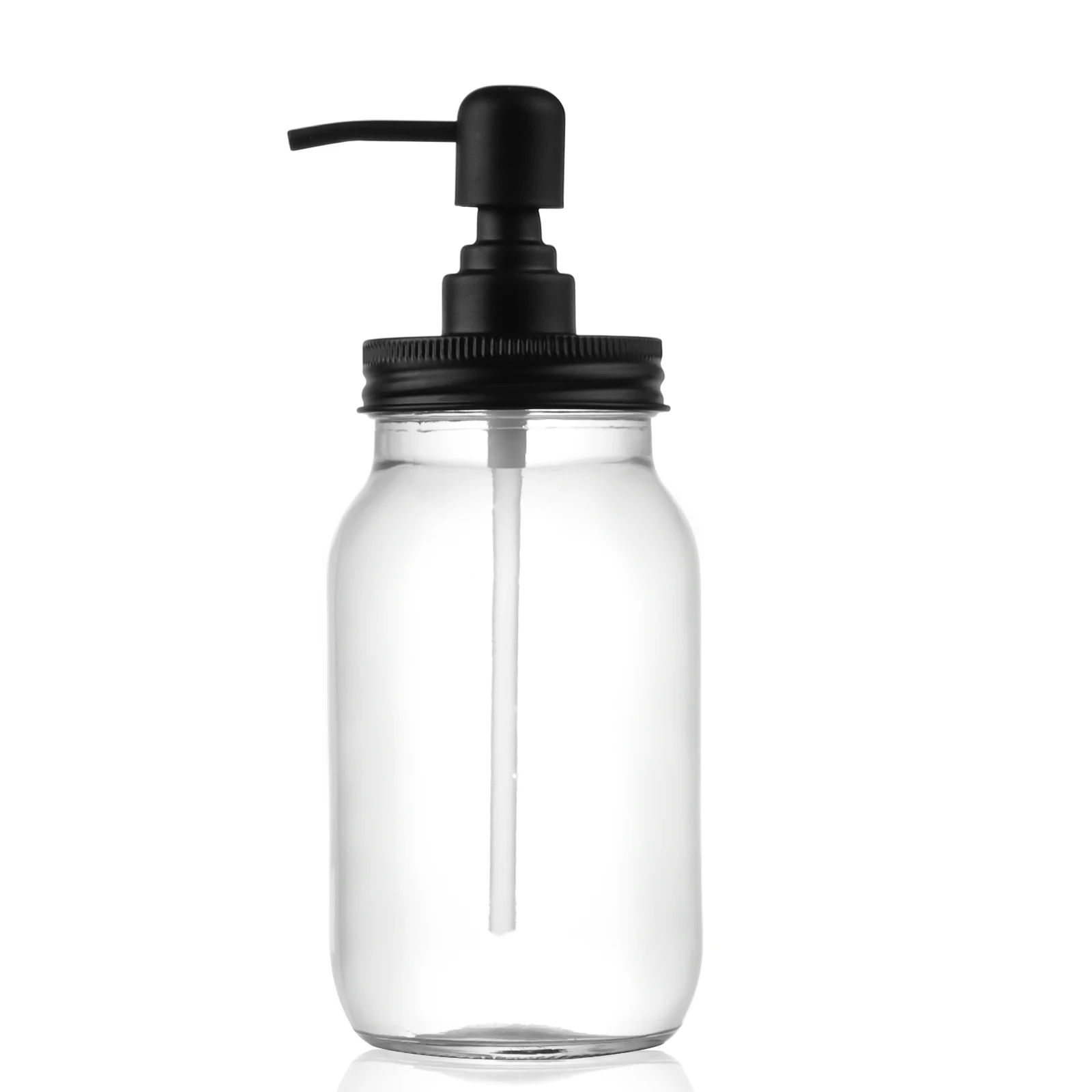
The landscape of online bulk purchasing has evolved dramatically over the past decade, with specialized B2B platforms, direct manufacturer websites, and wholesale marketplaces all competing for your business. Each purchasing channel offers distinct advantages depending on your specific operational needs, budget constraints, and quality expectations. Understanding where to source mason jars in bulk effectively can significantly impact your bottom line, product presentation, and overall supply chain efficiency. This comprehensive guide explores the most reputable online destinations for bulk mason jar procurement, helping you make informed decisions that align with your business objectives while ensuring consistent quality and reliable delivery schedules.
Direct Manufacturer Platforms for Industrial Volume Orders
Advantages of Sourcing Directly From Glass Manufacturing Facilities
Purchasing mason jars in bulk directly from manufacturing facilities represents one of the most cost-effective strategies for businesses requiring consistent, large-volume supplies. Direct manufacturer relationships eliminate intermediary markups, providing access to factory-direct pricing that can reduce per-unit costs by twenty to forty percent compared to wholesale distributors. These platforms typically cater to businesses ordering container loads or pallet quantities, making them ideal for established operations with predictable demand patterns and adequate storage capacity.
Manufacturing platforms also offer superior customization capabilities, allowing businesses to specify exact dimensions, glass thickness, closure types, and even custom embossing or branding elements. When you order mason jars in bulk from these sources, you gain access to technical support teams who understand glass properties, compatibility with various filling processes, and compliance requirements for different product categories. This expertise proves invaluable when developing new product lines or transitioning to more sustainable packaging solutions.
Quality assurance represents another significant advantage of direct manufacturer sourcing. Reputable glass production facilities maintain rigorous testing protocols, ensuring consistent wall thickness, proper annealing to prevent thermal shock, and accurate capacity measurements. Many manufacturers provide detailed specifications sheets, material certifications, and sample programs that allow you to validate quality before committing to large production runs. This transparency becomes particularly important for food-grade applications where container integrity directly impacts product safety and shelf life.
Navigating Minimum Order Requirements and Lead Times
Direct manufacturer platforms typically impose substantial minimum order quantities, often requiring purchases of five thousand units or more per SKU. These thresholds reflect the economics of glass production, where setup costs, mold changes, and quality control processes necessitate larger batch sizes to maintain profitability. Businesses considering this sourcing channel must carefully evaluate their inventory carrying costs, storage infrastructure, and cash flow capabilities against the per-unit savings achieved through volume purchasing.
Lead times when ordering mason jars in bulk from manufacturers generally range from four to twelve weeks, depending on production schedules, customization requirements, and shipping methods. Standard catalog items with existing molds typically ship faster than custom specifications requiring new tooling or unique finishes. Smart procurement teams factor these extended timelines into their supply chain planning, often establishing rolling forecast systems and maintaining safety stock levels to prevent production disruptions. Building strong relationships with manufacturer sales teams can sometimes provide access to priority production slots during peak seasons.
Payment terms with direct manufacturers often differ significantly from retail or small wholesale transactions. Many facilities require deposits ranging from thirty to fifty percent upon order confirmation, with balance due before shipment or upon delivery. Some established suppliers offer net payment terms after demonstrating creditworthiness through initial transactions. Understanding these financial requirements helps businesses structure their purchasing budgets and cash management strategies appropriately when sourcing containers through manufacturing channels.
Specialized B2B Wholesale Marketplaces
Platform Features That Support Bulk Procurement Processes
Specialized B2B wholesale marketplaces have emerged as powerful intermediaries connecting buyers seeking mason jars in bulk with verified suppliers across global manufacturing hubs. These platforms aggregate thousands of suppliers, providing comparison tools, verified reviews, transaction protection services, and streamlined communication channels that simplify international sourcing. Unlike consumer-oriented marketplaces, B2B platforms emphasize features relevant to commercial buyers including detailed product specifications, bulk pricing tiers, customization options, and logistics coordination services.
Advanced search and filtering capabilities enable buyers to narrow options based on precise criteria such as capacity ranges, closure types, glass colors, certification requirements, and geographic preferences. Many platforms incorporate supplier verification systems that assess manufacturing capabilities, quality management certifications, export experience, and financial stability. These vetting processes reduce procurement risk when sourcing from unfamiliar suppliers, particularly important when establishing new supply chains or exploring alternative sourcing regions to diversify supplier dependencies.
Integrated communication tools facilitate technical discussions, sample requests, and negotiation processes without requiring multiple disconnected email threads or phone calls across time zones. Quality B2B platforms often provide secure payment escrow services, protecting both parties during transaction execution and providing recourse mechanisms if disputes arise regarding product quality or delivery terms. These protective features prove especially valuable when ordering significant quantities of mason jars in bulk from suppliers with whom you lack established trading history.
Evaluating Supplier Credibility and Product Quality Indicators
Assessing supplier reliability on B2B marketplaces requires systematic evaluation of multiple credibility indicators beyond superficial ratings. Transaction history provides valuable insights, with suppliers demonstrating consistent order fulfillment, positive buyer feedback, and multi-year platform presence generally representing lower-risk sourcing options. Examine the specificity and authenticity of reviews, looking for detailed feedback about product quality, communication responsiveness, and problem resolution rather than generic positive statements that may indicate manipulated ratings.
Certification documentation offers another critical quality signal when sourcing mason jars in bulk online. Reputable suppliers readily provide ISO quality management certifications, food safety approvals, environmental compliance documentation, and product testing reports. Request specific certifications relevant to your application, such as FDA compliance for food contact surfaces, lead-free verification for beverage containers, or child-resistant closure certifications for certain product categories. Suppliers who hesitate to provide documentation or offer vague assurances typically warrant additional scrutiny before significant purchase commitments.
Sample evaluation represents an indispensable step before finalizing bulk orders through marketplace platforms. Most legitimate suppliers accommodate sample requests, though they may charge for units and shipping to filter serious buyers from casual inquiries. Physical inspection allows you to verify glass clarity, assess closure quality and seal integrity, confirm dimensional accuracy, and evaluate overall craftsmanship. Testing samples with your actual products under realistic conditions reveals compatibility issues before you invest in thousands of units that may prove unsuitable for your specific application requirements.
Regional Wholesale Distribution Networks
Benefits of Domestic Distribution Partnerships
Regional wholesale distributors specializing in packaging supplies offer compelling advantages for businesses seeking to purchase mason jars in bulk without navigating international logistics complexities. These domestic partners maintain substantial inventory across multiple warehouses, enabling shorter lead times, smaller minimum order quantities, and more flexible replenishment schedules compared to direct import arrangements. For businesses with variable demand patterns or limited storage capacity, distributor relationships provide operational agility while maintaining reasonable cost structures.
Domestic distributors absorb many supply chain risks including quality inspection, customs clearance, freight consolidation, and inventory financing. This risk transfer proves valuable for smaller businesses lacking dedicated international procurement expertise or those preferring to focus internal resources on core competencies rather than complex import operations. Many distributors also provide value-added services such as kitting, custom labeling, quality sorting, and just-in-time delivery programs that further simplify operational logistics for their customers.
Established regional distributors often cultivate relationships with multiple manufacturing sources, providing supply security through diversified sourcing networks. When production disruptions occur at specific facilities due to equipment failures, raw material shortages, or other operational challenges, distributors can often substitute equivalent products from alternative suppliers without disrupting your production schedules. This redundancy becomes increasingly important as businesses recognize supply chain vulnerability and seek strategies to maintain operational continuity despite external disruptions.
Price Positioning and Service Level Expectations
Pricing for mason jars in bulk through regional distributors typically falls between direct manufacturer costs and small-quantity retail pricing. Distributor margins compensate for inventory carrying costs, warehousing infrastructure, logistics management, and customer service resources. While per-unit costs exceed factory-direct pricing, the total cost of acquisition often proves competitive when factoring in reduced minimum orders, eliminated import duties, faster delivery, and avoided international transaction complexities.
Volume discount structures vary significantly across distributors, with tier breaks commonly occurring at case quantities, pallet loads, and truckload volumes. Savvy buyers negotiate pricing based on annual purchase commitments rather than individual order values, securing preferential rates in exchange for volume guarantees. Some distributors offer consignment inventory programs for high-volume customers, maintaining stock at your facility while retaining ownership until consumption, thereby reducing your working capital requirements while ensuring supply availability.
Service level expectations when purchasing mason jars in bulk from regional distributors should include consistent product availability, accurate order fulfillment, responsive customer support, and transparent communication regarding backorders or specification changes. Quality distributors proactively notify customers about potential supply disruptions, offer suitable alternatives when specific SKUs become unavailable, and maintain detailed order histories that simplify reordering processes. Establishing clear service level agreements helps align expectations and provides objective criteria for evaluating distributor performance over time.
Emerging E-Commerce Platforms for Commercial Buyers
Technology-Enabled Procurement Efficiency
Modern e-commerce platforms designed specifically for commercial packaging procurement are transforming how businesses purchase mason jars in bulk online. These digital marketplaces combine intuitive user interfaces with sophisticated backend systems that streamline requisition approvals, automate reordering based on consumption patterns, and integrate with enterprise resource planning systems. Technology-forward platforms reduce administrative overhead associated with packaging procurement, allowing purchasing teams to focus on strategic supplier relationships rather than transactional order processing.
Advanced platforms incorporate artificial intelligence and machine learning algorithms that analyze your purchasing history, seasonal demand variations, and industry trends to recommend optimal order quantities and timing. Predictive analytics help prevent both stockouts that disrupt production and excess inventory that ties up working capital and warehouse space. Some platforms offer dynamic pricing that adjusts based on real-time supply conditions, allowing opportunistic buyers to capitalize on favorable market conditions when ordering significant quantities of containers.
Digital procurement platforms increasingly emphasize transparency around product sourcing, sustainability credentials, and supply chain traceability. Buyers seeking mason jars in bulk can access detailed information about manufacturing locations, raw material sources, carbon footprint calculations, and recycled content percentages. This transparency supports corporate sustainability initiatives and enables more informed decision-making that balances cost considerations with environmental responsibility and social compliance objectives.
Flexible Order Structures for Diverse Business Needs
Contemporary e-commerce platforms recognize that businesses purchasing mason jars in bulk represent diverse operational profiles with varying requirements. Progressive platforms accommodate this diversity through flexible order structures including mixed pallet programs that allow combining multiple SKUs to achieve volume pricing thresholds, subscription services that automate recurring deliveries at predetermined intervals, and spot market options for opportunistic purchases when surplus inventory becomes available at discounted rates.
Customization capabilities available through digital platforms continue expanding beyond traditional options. Some platforms now facilitate custom printing, specialty closure configurations, and unique packaging combinations through integrated partner networks. Digital tools allow uploading artwork, previewing designs on three-dimensional container renderings, and receiving instant pricing for various quantity breaks. This self-service customization streamlines processes that traditionally required extensive back-and-forth communication with sales representatives.
Payment flexibility represents another differentiating feature among modern procurement platforms. Options increasingly include installment payment plans, dynamic discounting programs that incentivize early payment through graduated discounts, and integration with commercial credit facilities. These varied payment structures help businesses manage cash flow more effectively when making substantial inventory investments, particularly important for growing companies balancing expansion initiatives against working capital constraints while establishing reliable sources for essential packaging components.
Strategic Considerations for Sustainable Bulk Purchasing
Total Cost of Ownership Beyond Unit Price
Sophisticated buyers recognize that optimizing procurement of mason jars in bulk requires evaluating total cost of ownership rather than focusing exclusively on per-unit purchase price. Comprehensive cost analysis incorporates freight expenses, customs duties and taxes for imported goods, quality inspection costs, inventory carrying expenses, storage infrastructure requirements, and potential obsolescence risks. Lower unit prices from distant suppliers may prove illusory when these additional costs receive proper consideration within holistic financial models.
Quality-related costs significantly impact total ownership economics. Defective containers generate waste through rejected inventory, production downtime during changeovers, customer complaints for filled products with compromised packaging, and potential liability exposure for quality failures. Investing incrementally more in proven suppliers with rigorous quality systems typically delivers superior returns compared to pursuing minimum prices from unverified sources. Calculating expected defect rates and associated remediation costs helps quantify the value of supplier quality performance when comparing purchasing options.
Supply continuity represents another often-undervalued component of total cost analysis. Production disruptions caused by supplier failures, unexpected lead time extensions, or specification inconsistencies generate substantial hidden costs through expedited freight charges, overtime labor, lost production capacity, and disappointed customers. Diversifying sources for mason jars in bulk, maintaining strategic safety stock, and cultivating backup supplier relationships require investment but provide valuable insurance against supply chain disruptions that could threaten business viability.
Building Resilient Multi-Source Supply Strategies
Supply chain resilience has emerged as a critical priority following recent global disruptions that exposed vulnerabilities in single-source procurement strategies. Forward-thinking businesses now deliberately design multi-source approaches for essential packaging components, splitting mason jar purchases across multiple suppliers, geographic regions, and procurement channels. This diversification reduces dependency risks while creating competitive tension that often yields better pricing and service performance from incumbent suppliers aware of alternatives.
Geographic diversification when sourcing mason jars in bulk helps mitigate regional risks including natural disasters, political instability, trade policy changes, and transportation infrastructure disruptions. Balancing domestic suppliers offering proximity and responsiveness against international sources providing cost advantages and manufacturing specialization creates resilience while optimizing economic performance. Regular supplier portfolio reviews ensure your sourcing strategy adapts to evolving risk landscapes and changing business requirements.
Relationship depth varies appropriately across your supplier portfolio, with strategic partners receiving preferential volume allocations, collaborative improvement initiatives, and longer-term commitments in exchange for priority access, technical support, and preferential pricing. Tactical suppliers provide competitive alternatives and surge capacity without requiring intensive relationship management. Maintaining this balanced portfolio allows agility in responding to market conditions while ensuring critical packaging needs remain reliably fulfilled regardless of individual supplier circumstances.
FAQ
What minimum quantities typically qualify as bulk orders for mason jars?
Bulk order thresholds vary significantly depending on the supplier type and product specifications. Direct manufacturers usually require minimum orders of five thousand to ten thousand units per SKU, reflecting production economics and setup costs. Regional distributors typically offer bulk pricing starting at case quantities of twelve to forty-eight units, with substantial discounts appearing at pallet loads of approximately one thousand to three thousand jars. B2B marketplaces present diverse options, with some suppliers accommodating orders as small as five hundred units while others maintain higher thresholds similar to direct manufacturers. Custom specifications and unique finishes generally require larger minimums than standard catalog items.
How can businesses verify the quality of mason jars before committing to large purchases?
Quality verification should follow a systematic approach beginning with supplier credential review including manufacturing certifications, quality management systems documentation, and relevant product testing reports. Request detailed specifications covering glass composition, wall thickness tolerances, capacity accuracy, and closure performance standards. Always order samples before finalizing bulk commitments, testing them with your actual products under realistic conditions including filling processes, thermal treatments, transportation simulation, and extended storage. Consider engaging third-party testing laboratories for critical applications requiring verification of food safety compliance, structural integrity, or specific performance characteristics. Establishing clear quality acceptance criteria and inspection protocols for incoming shipments provides ongoing quality assurance throughout the supply relationship.
What are the typical lead times when ordering mason jars in bulk online from different sources?
Lead times vary considerably based on sourcing channel and product specifications. Domestic distributors maintaining inventory typically ship standard items within three to ten business days for in-stock products. Direct manufacturers producing standard catalog items generally require four to eight weeks from order confirmation to delivery, while custom specifications may extend to ten to sixteen weeks depending on tooling requirements and production schedules. International suppliers shipping via ocean freight add four to eight weeks for transit depending on origin and destination ports, plus additional time for customs clearance. Air freight dramatically reduces shipping time to one to two weeks but significantly increases transportation costs. Building adequate lead time buffers into procurement planning prevents costly expediting while ensuring production continuity.
Are there advantages to establishing long-term contracts versus spot purchasing for bulk mason jars?
Long-term supply agreements offer multiple strategic advantages including preferential pricing through volume commitments, priority allocation during capacity constraints or material shortages, and supply security that supports confident business planning and customer commitments. Contracts often include price stability provisions protecting against market volatility, specification freeze commitments ensuring consistent product characteristics, and collaborative improvement programs enhancing mutual operational efficiency. However, contracts require accurate demand forecasting and reduce flexibility to capitalize on spot market opportunities when surplus inventory becomes available at attractive prices. Balanced approaches often combine contracted baseline volumes ensuring supply security with tactical spot purchases providing cost optimization opportunities and demand flexibility for seasonal variations or new product launches requiring packaging experimentation.
Table of Contents
- Direct Manufacturer Platforms for Industrial Volume Orders
- Specialized B2B Wholesale Marketplaces
- Regional Wholesale Distribution Networks
- Emerging E-Commerce Platforms for Commercial Buyers
- Strategic Considerations for Sustainable Bulk Purchasing
-
FAQ
- What minimum quantities typically qualify as bulk orders for mason jars?
- How can businesses verify the quality of mason jars before committing to large purchases?
- What are the typical lead times when ordering mason jars in bulk online from different sources?
- Are there advantages to establishing long-term contracts versus spot purchasing for bulk mason jars?