 EN
EN


Purchasing mason jars bulk has become an essential procurement strategy for businesses ranging from food manufacturers and artisanal producers to event planners and retail operations. Whether you operate a commercial kitchen, manage a boutique gift shop, or oversee large-scale preservation operations, understanding the intricacies of bulk mason jar purchasing can significantly impact your operational efficiency and bottom line. This comprehensive guide explores the critical considerations for selecting the right sizes, identifying quality styles, and matching jar specifications to your specific business applications, ensuring your investment delivers maximum value and performance.
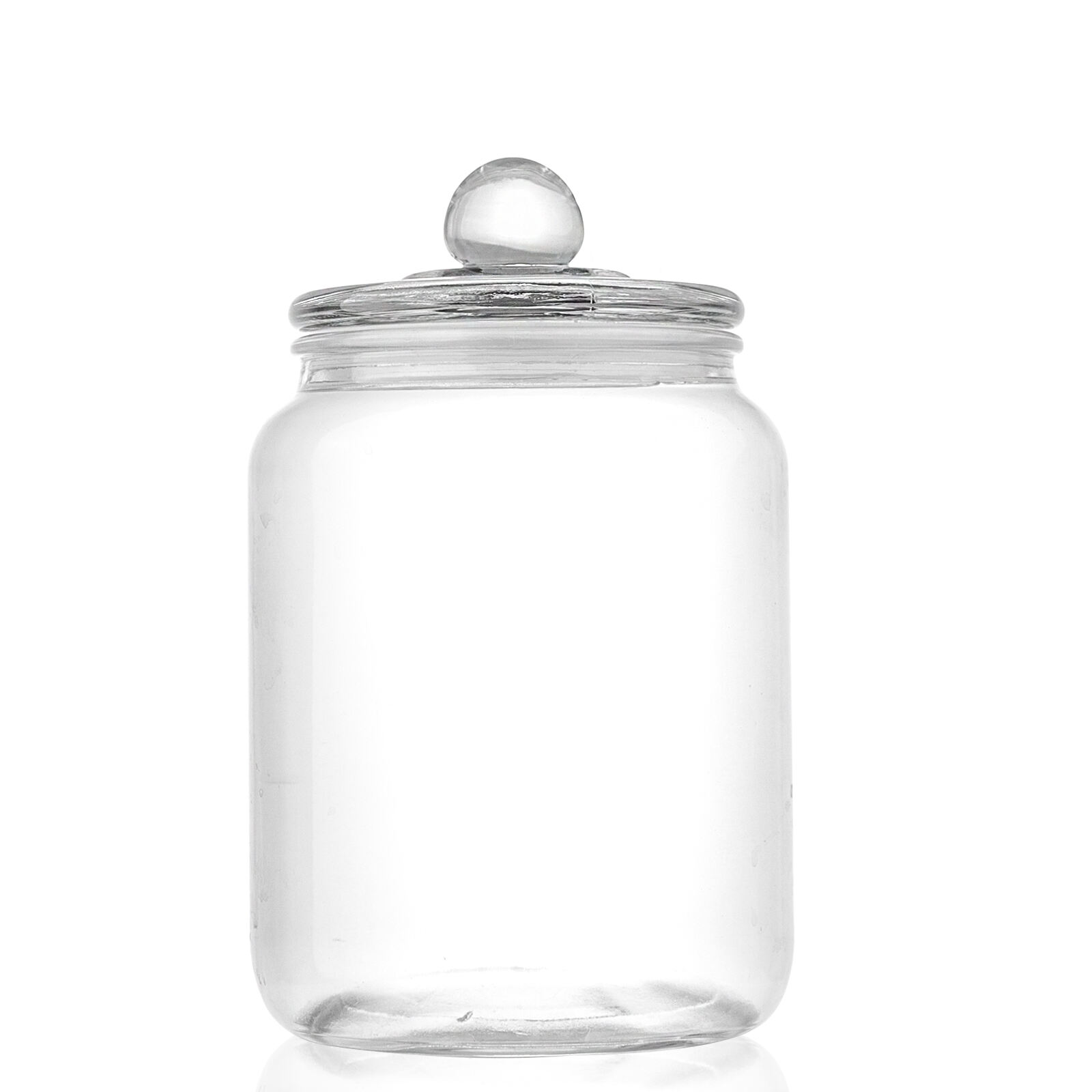
The decision to buy mason jars bulk extends beyond simple cost savings and touches every aspect of your supply chain management, from storage logistics and vendor reliability to product consistency and customer satisfaction. Smart procurement professionals recognize that the right bulk purchasing strategy balances immediate cost considerations with long-term operational requirements, factoring in elements such as warehouse capacity, seasonal demand fluctuations, minimum order quantities, and supplier capabilities. This guide provides actionable intelligence on navigating the mason jars bulk marketplace, helping you make informed decisions that align with your business objectives while avoiding common pitfalls that can compromise quality or create inventory management challenges.
Understanding Mason Jar Size Categories for Bulk Orders
Standard Small Format Jars for Specialized Applications
Small format mason jars bulk purchases typically encompass sizes ranging from four ounces to half-pint capacity, representing ideal solutions for businesses focused on sample sizes, single-serving portions, or premium artisanal products. These compact containers excel in applications such as wedding favors, spice blending operations, cosmetic product lines, and craft supply packaging. When ordering mason jars bulk in smaller sizes, buyers should anticipate higher per-unit costs compared to larger formats, but these investments often deliver superior margins in niche markets where presentation and portion control drive purchasing decisions. The compactness of small format jars also creates storage efficiencies within production facilities, allowing businesses to maintain larger inventory volumes within limited warehouse footprints.
Commercial buyers selecting small format mason jars bulk should carefully evaluate thread specifications and closure compatibility, as these smaller vessels often require specialized lids that may not interchange with standard larger formats. Many suppliers offer small jars with decorative embossing or unique geometric profiles that enhance shelf appeal, though these aesthetic features may increase lead times and minimum order quantities. Production facilities utilizing automated filling equipment must verify that small format jars integrate smoothly with existing machinery, as the reduced diameter and height can present challenges for standard conveyor systems and capping mechanisms designed for larger containers.
Medium Capacity Jars for Versatile Commercial Use
The medium capacity range, spanning from pint to quart sizes, represents the workhorse category within mason jars bulk procurement, offering optimal versatility across food preservation, beverage service, and storage applications. These sizes accommodate the broadest range of products, from pickled vegetables and preserves to dry goods, craft supplies, and bulk retail items. Businesses purchasing mason jars bulk in medium capacities benefit from favorable pricing structures due to manufacturing economies of scale, while maintaining practical dimensions that consumers find convenient for both storage and daily use. The pint and quart formats also demonstrate strong compatibility with industry-standard processing equipment, including hot fill lines, pressure canners, and automated labeling systems.
Strategic buyers recognize that medium capacity mason jars bulk orders provide flexibility to test market reception across multiple product lines without committing to highly specialized container investments. The dimensional consistency within this range simplifies inventory management, as businesses can often standardize on closure types, labeling dimensions, and packaging materials across different product variants. Restaurants, catering operations, and beverage service establishments particularly value quart-sized jars for signature drink presentations, housemade condiments, and ingredient storage, driving consistent demand that supports efficient bulk purchasing cycles. When negotiating mason jars bulk contracts for medium capacity formats, procurement professionals should explore opportunities for mixed pallets that combine pint and quart sizes, optimizing container variety while maintaining order volumes that qualify for bulk pricing tiers.
Large Format Jars for High Volume Operations
Large format mason jars bulk purchases, typically encompassing half-gallon to gallon capacities, serve specialized commercial applications where volume efficiency and visual impact drive container selection decisions. These substantial vessels find primary applications in restaurant beverage service, bulk retail displays, fermentation operations, and institutional food storage, where their capacity reduces packaging waste and handling frequency. The economics of purchasing mason jars bulk in large formats often reveal significant per-ounce cost advantages, though buyers must carefully assess whether their operational workflow can efficiently utilize these oversized containers without creating product waste or handling difficulties.
Businesses ordering large format mason jars bulk should account for increased shipping costs, as the weight and dimensional characteristics of these containers substantially impact freight expenses and pallet configurations. The structural requirements for large capacity jars necessitate thicker glass walls and reinforced closure systems, factors that influence both durability and cost structures. Commercial fermentation operations, including kombucha producers and pickling enterprises, particularly value gallon-sized jars for batch processing, though they must implement careful quality control protocols to ensure consistent seal integrity across their inventory. Distribution considerations become paramount with large format mason jars bulk orders, as the increased weight per unit affects warehouse flooring requirements, material handling equipment specifications, and worker safety protocols throughout the supply chain.
Evaluating Style Variations and Design Features
Traditional Regular Mouth Configurations
Regular mouth mason jars bulk represent the classic configuration that has served commercial and residential users for generations, featuring a standardized opening diameter that accommodates conventional two-piece closure systems. This time-tested design delivers reliable sealing performance for hot fill applications, pressure canning operations, and ambient storage scenarios, making it the preferred choice for businesses focused on traditional preservation methods and proven processing protocols. The regular mouth opening provides adequate access for most filling operations while maintaining structural integrity that supports consistent sealing performance across high-volume production runs. Businesses purchasing mason jars bulk in regular mouth configurations benefit from the widest selection of compatible closures, decorative lids, and specialized sealing compounds developed specifically for this industry-standard format.
The narrower opening of regular mouth jars presents both advantages and limitations that procurement professionals must evaluate against their specific operational requirements. While the reduced aperture enhances structural strength and can improve product shelf life for certain applications, it may complicate filling operations for products containing large particulates, chunky ingredients, or items requiring hand-placement. Manufacturers of sauces, jellies, honey, and other flowable products typically find regular mouth mason jars bulk purchases ideal for their production lines, as automated filling nozzles easily accommodate the standard opening. The traditional aesthetic of regular mouth jars also resonates strongly with consumers seeking authentic preservation experiences, a market positioning advantage that justifies bulk inventory investments for artisanal brands emphasizing heritage and craftsmanship values.
Wide Mouth Designs for Enhanced Accessibility
Wide mouth mason jars bulk orders have gained substantial market share across commercial operations requiring enhanced accessibility for product filling, consumer usage, and container cleaning. The expanded opening diameter, typically ranging from two and a half to three and a half inches depending on jar capacity, facilitates efficient loading of whole fruits, vegetable cuts, pickled eggs, and other products where maintaining visual appeal and structural integrity during packaging proves critical. Food service operations ordering mason jars bulk in wide mouth configurations particularly appreciate the simplified cleaning protocols these designs enable, as the increased access allows thorough sanitization without specialized brushes or equipment. The wide mouth format also supports efficient product evacuation by end users, reducing waste and enhancing customer satisfaction with packaged goods.
Procurement decisions favoring wide mouth mason jars bulk should account for the slightly higher cost structures these designs typically command, reflecting both increased glass content and specialized manufacturing requirements. The broader opening necessitates proportionally larger closures, which can impact both component costs and inventory management complexity when businesses stock multiple jar styles. However, the operational efficiencies gained through faster filling cycles, reduced product damage during packaging, and improved consumer experience often justify the incremental investment. Commercial pickle producers, fermented food manufacturers, and bulk ingredient retailers consistently report that wide mouth mason jars bulk purchasing delivers measurable returns through reduced labor costs, lower breakage rates, and enhanced brand perception among quality-conscious consumers who value convenience alongside product excellence.
Specialty Shapes and Decorative Elements
Beyond standard cylindrical formats, specialty shaped mason jars bulk offerings include square profiles, embossed designs, vintage reproductions, and contemporary interpretations that serve brands seeking differentiation in competitive markets. Square and rectangular mason jars bulk purchases deliver space efficiency advantages in both storage and display scenarios, as their flat sides eliminate wasted space between containers and create visually striking shelf presentations. Embossed designs featuring decorative patterns, measurement markings, or brand-specific elements add perceived value that supports premium pricing strategies, though these customizations typically require larger minimum order quantities and extended lead times. Businesses evaluating specialty mason jars bulk investments should carefully analyze whether the aesthetic premium translates into measurable sales advantages sufficient to justify the additional procurement complexity and inventory costs.
The market for decorative mason jars bulk has expanded significantly as lifestyle brands, event planners, and retail operations recognize these containers as marketing tools that extend brand identity beyond mere product packaging. Colored glass options, including amber, blue, and green tints, provide both aesthetic distinction and functional light protection for photosensitive products, though UV transmission characteristics vary significantly among suppliers and should be verified through independent testing. Vintage-inspired designs featuring authentic embossing patterns and reproduction closure systems appeal to heritage brands and artisanal producers, though buyers must ensure that nostalgic aesthetics do not compromise modern food safety standards or processing equipment compatibility. When ordering specialty mason jars bulk, procurement professionals should request representative samples for comprehensive evaluation, including fill testing, seal verification, and consumer focus group assessment before committing to full production quantities.
Matching Jar Specifications to Business Applications
Food Preservation and Processing Requirements
Commercial food preservation operations considering mason jars bulk purchases must prioritize specifications that ensure consistent sealing performance, thermal shock resistance, and compliance with food safety regulations governing direct food contact materials. Hot fill applications, including jams, jellies, and acidified products, require mason jars bulk inventory capable of withstanding rapid temperature changes without structural failure or compromised seal integrity. The glass composition, annealing process, and dimensional tolerances all influence thermal performance, with premium-grade jars demonstrating superior consistency across production batches. Businesses engaged in pressure canning operations must verify that their mason jars bulk suppliers provide containers specifically rated for the elevated temperatures and pressures these processes generate, as standard decorative jars may lack the structural integrity for safe pressure processing.
Regulatory compliance represents a critical consideration when sourcing mason jars bulk for food contact applications, as containers must meet FDA standards for lead content, material safety, and manufacturing cleanliness. Reputable suppliers provide certificates of analysis confirming that their mason jars bulk inventory complies with relevant food safety regulations, though buyers should independently verify these claims through third-party testing when establishing new vendor relationships. The closure system compatibility proves equally important, as even premium jars deliver substandard performance when paired with inferior lids or improperly sized sealing compounds. Food manufacturers purchasing mason jars bulk should establish comprehensive quality control protocols that include regular seal testing, closure torque verification, and periodic container inspection to identify any batch-to-batch variations that could compromise product safety or shelf life performance.
Retail Display and Consumer Packaging Considerations
Retail operations ordering mason jars bulk for product packaging and consumer sales must balance functional performance against aesthetic appeal, brand positioning, and competitive shelf presence. The visual impact of jar selection significantly influences purchasing decisions in categories such as artisanal foods, handcrafted gifts, and premium household goods, where packaging quality directly reflects perceived product value. Clear glass mason jars bulk inventory provides maximum product visibility, essential for items where color, texture, and visual appeal drive consumer interest, while specialized finishes including frosted effects or colored glass create distinctive brand signatures that enhance recognition and recall. The labeling surface area available on different jar formats should inform size selection, as adequate space for nutritional panels, ingredient declarations, and brand messaging proves essential for regulatory compliance and marketing effectiveness.
The practical handling characteristics of mason jars bulk selections impact consumer satisfaction and repeat purchase likelihood, factors that extend beyond initial aesthetic appeal. Weight distribution, grip comfort, and opening ease all contribute to user experience, with well-designed jars encouraging product usage and reducing abandonment of partially consumed contents. Retail buyers should evaluate how their mason jars bulk selections perform throughout the complete consumer journey, from initial shelf selection through in-home storage and eventual disposal or repurposing. The growing consumer emphasis on sustainable packaging creates opportunities for businesses that position mason jars bulk purchases as environmentally responsible choices, emphasizing reusability, recyclability, and reduced plastic consumption. Marketing messaging that highlights these sustainability attributes can justify premium pricing while building brand loyalty among environmentally conscious consumer segments increasingly influential in purchasing decisions across demographic groups.
Specialized Industrial and Commercial Applications
Beyond traditional food and retail applications, mason jars bulk purchasing serves diverse industrial and commercial needs including laboratory sample storage, craft supply organization, automotive parts containment, and institutional bulk goods management. Chemical resistance properties become paramount when mason jars bulk inventory will contact solvents, cleaning compounds, or other aggressive substances, requiring verification that glass composition and closure materials maintain integrity under exposure conditions. Laboratories and testing facilities value the transparency, inertness, and closure reliability that quality mason jars bulk provide for sample archiving and reagent storage, though these applications may require additional documentation including material safety data sheets and traceability certification that standard food-grade suppliers may not routinely provide.
Commercial workshops, educational institutions, and craft retailers purchasing mason jars bulk for non-food applications benefit from the durability, visibility, and standardization these containers offer for organizing small parts, art supplies, and consumable materials. The threaded closure system prevents accidental spillage while allowing frequent access, advantages over alternative storage solutions in environments where repeated opening occurs throughout work cycles. Automotive service centers and manufacturing facilities have discovered that mason jars bulk purchasing provides cost-effective solutions for organizing fasteners, fittings, and small components, with the transparent walls enabling quick inventory assessment without opening containers. When sourcing mason jars bulk for industrial applications, buyers should prioritize structural consistency and closure reliability over aesthetic refinements, focusing procurement investments on fundamental performance characteristics that enhance operational efficiency rather than decorative elements that add cost without functional benefit in utilitarian environments.
Strategic Sourcing and Supplier Evaluation
Assessing Supplier Capabilities and Reliability
Successful mason jars bulk procurement begins with comprehensive supplier evaluation that examines manufacturing capabilities, quality control systems, financial stability, and customer service responsiveness. Established suppliers with dedicated production facilities typically deliver superior consistency compared to brokers or distributors sourcing from multiple manufacturers, as single-source operations maintain tighter control over glass composition, dimensional tolerances, and process parameters. Buyers should request facility tours or detailed manufacturing documentation that demonstrates a supplier's commitment to quality systems, including statistical process control implementation, employee training protocols, and continuous improvement initiatives. Financial stability assessment through credit reports and reference checks protects against supply chain disruptions that could result from supplier insolvency or operational challenges that compromise delivery reliability.
The technical support capabilities of mason jars bulk suppliers significantly influence successful product implementation, particularly for businesses launching new product lines or transitioning from alternative packaging formats. Suppliers offering engineering assistance, fill testing support, and closure system optimization demonstrate partnership orientation that extends beyond transactional relationships. Responsive customer service that efficiently handles order modifications, expedited shipments, and quality concerns provides operational flexibility essential in dynamic business environments where demand fluctuations and production challenges require rapid supplier collaboration. When evaluating potential mason jars bulk vendors, procurement professionals should test responsiveness by requesting detailed quotations with multiple scenario specifications, assessing how thoroughly suppliers address questions and how quickly they provide comprehensive information that supports informed decision-making.
Negotiating Favorable Terms and Pricing Structures
Effective mason jars bulk contract negotiation requires understanding the cost drivers that influence supplier pricing, including raw material expenses, energy costs, transportation rates, and capacity utilization factors. Glass manufacturing operates with significant fixed costs, creating opportunities for buyers to negotiate volume discounts when their purchase commitments help suppliers optimize production scheduling and reduce changeover frequency. Annual contracts with committed volumes typically secure more favorable pricing than spot purchases, though buyers must carefully project requirements to avoid excess inventory carrying costs that offset procurement savings. Flexible delivery scheduling that accommodates supplier production cycles can generate additional discounts, as manufacturers prefer predictable order patterns that enable efficient capacity planning and reduced expediting costs.
Payment terms represent a critical negotiating element within mason jars bulk agreements, with extended terms improving buyer cash flow while early payment discounts can reduce effective costs when financial resources permit accelerated settlement. Freight arrangements significantly impact total delivered cost, making it essential to evaluate whether buyer-arranged transportation or supplier-managed logistics delivers optimal economics based on shipment volumes, destination locations, and available carrier relationships. Minimum order quantities directly affect per-unit pricing, though buyers should resist accepting excessive minimums that create inventory management challenges or tie up working capital in slow-moving stock. Smart negotiators structure mason jars bulk agreements with tiered pricing that rewards volume growth while maintaining reasonable minimum thresholds that align with actual consumption patterns and storage capabilities, creating win-win arrangements that support long-term supplier relationships built on mutual profitability and shared success.
Quality Assurance and Inspection Protocols
Implementing rigorous quality assurance protocols protects businesses from the costly consequences of defective mason jars bulk inventory, including production downtime, product waste, and potential liability exposure from packaging failures. Incoming inspection procedures should verify critical dimensions including height, diameter, and thread specifications using calibrated measurement equipment, with statistically valid sampling plans that balance inspection thoroughness against practical time and resource constraints. Visual inspection for glass defects such as chips, cracks, inclusions, and dimensional irregularities identifies substandard containers before they enter production processes, preventing contamination risks and equipment damage that defective jars can cause. Seal testing protocols using vacuum decay methods, pressure testing, or dye penetration techniques verify closure system integrity, ensuring that mason jars bulk inventory will deliver the hermetic sealing performance that food safety and shelf life requirements demand.
Establishing clear quality specifications within mason jars bulk purchase agreements creates enforceable standards that define acceptable performance parameters and provide objective criteria for resolving disputes. These specifications should address glass composition, thermal shock resistance, dimensional tolerances, defect rate limits, and packaging requirements that protect containers during shipping and storage. Regular supplier audits, including both scheduled assessments and surprise inspections, maintain quality system discipline and demonstrate buyer commitment to standards enforcement. Businesses should document all quality issues through formal nonconformance reports that quantify defect impacts, track resolution effectiveness, and identify systemic problems requiring corrective action. When quality problems occur within mason jars bulk shipments, effective buyers work collaboratively with suppliers to identify root causes and implement preventive measures, recognizing that partnership approaches typically deliver superior long-term results compared to adversarial relationships focused solely on blame assignment rather than sustainable improvement.
FAQ
What minimum order quantities should I expect when purchasing mason jars bulk?
Minimum order quantities for mason jars bulk typically range from single pallets containing approximately 1,000 to 2,000 units for standard sizes, up to full truckload quantities exceeding 20,000 units for buyers seeking maximum volume discounts. Domestic suppliers often accommodate smaller minimums compared to direct importers, though per-unit costs generally decrease as order volumes increase. Many suppliers offer mixed pallet options that allow buyers to combine different sizes or styles while meeting minimum thresholds, providing inventory variety without requiring massive quantities of single specifications. Businesses new to mason jars bulk purchasing should start with modest volumes that allow market testing and quality verification before committing to larger inventories, even if initial per-unit costs run slightly higher than maximum volume pricing would deliver.
How do I determine the optimal jar size for my specific product application?
Optimal jar size selection depends on analyzing your target market's consumption patterns, price point sensitivity, and usage frequency expectations. Products consumed quickly or used in small quantities per application often perform best in smaller formats that minimize waste and maintain freshness, while bulk staples and frequently used items justify larger containers that reduce packaging costs and shopping frequency. Consumer research, including focus groups and test marketing with multiple size options, provides direct feedback on size preferences within your specific product category. Practical considerations including shelf space availability, refrigerator storage constraints, and handling ergonomics also influence ideal size selection, as oversized containers that seem economical may discourage purchases if consumers perceive them as inconvenient or difficult to store in typical home environments.
What quality differences exist between economy and premium mason jars bulk options?
Premium mason jars bulk offerings typically feature superior glass clarity, more consistent dimensional tolerances, enhanced thermal shock resistance, and lower defect rates compared to economy alternatives. The glass composition in premium jars often includes higher quality raw materials that improve strength, durability, and resistance to thermal stress during hot fill or canning processes. Manufacturing precision affects thread quality, sealing surface flatness, and overall dimensional consistency, factors that directly impact seal reliability and closure system performance. While economy mason jars bulk may appear functionally similar, they often exhibit higher breakage rates, more frequent sealing failures, and greater batch-to-batch variation that can compromise production efficiency and product safety. Businesses focused on premium positioning, rigorous food safety standards, or demanding processing conditions should prioritize premium grade mason jars bulk despite higher initial costs, as the performance reliability typically justifies the investment through reduced waste, fewer quality complaints, and enhanced brand reputation.
Can I customize mason jars bulk orders with my company branding or specifications?
Customization options for mason jars bulk range from simple label application and standard embossing to fully custom mold development for unique shapes and integrated branding elements. Most suppliers readily accommodate custom labeling or decorative closure options with modest minimum order quantities, typically starting around 5,000 to 10,000 units depending on complexity. Embossed branding or decorative patterns generally require minimum commitments of 20,000 to 50,000 units and involve setup fees for pattern development and production line configuration. Fully custom jar designs with proprietary shapes or dimensions represent the highest customization level, requiring dedicated mold investments often exceeding tens of thousands of dollars and minimum order commitments of 100,000 units or more. Businesses exploring mason jars bulk customization should carefully evaluate whether the brand differentiation and market impact justify the additional investment and inventory commitment, as standard configurations modified through creative labeling and closure selection often deliver effective brand distinction at substantially lower cost and risk levels.
Table of Contents
- Understanding Mason Jar Size Categories for Bulk Orders
- Evaluating Style Variations and Design Features
- Matching Jar Specifications to Business Applications
- Strategic Sourcing and Supplier Evaluation
-
FAQ
- What minimum order quantities should I expect when purchasing mason jars bulk?
- How do I determine the optimal jar size for my specific product application?
- What quality differences exist between economy and premium mason jars bulk options?
- Can I customize mason jars bulk orders with my company branding or specifications?