 EN
EN

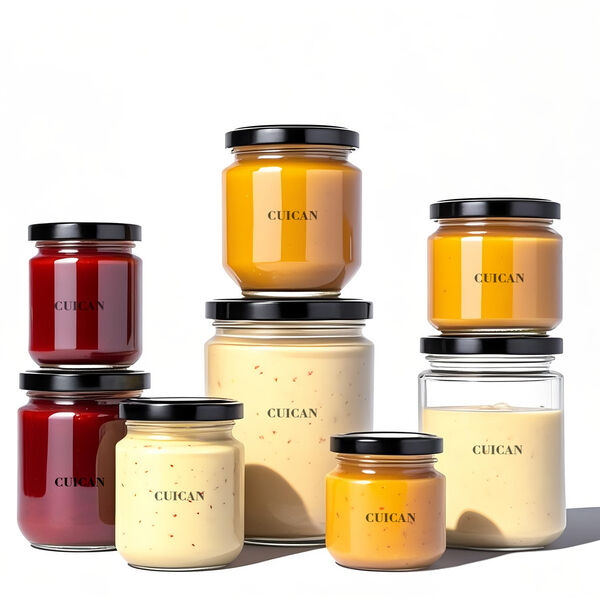
A well-organized pantry is the foundation of efficient meal preparation and reduced kitchen stress. One of the most effective and visually appealing solutions for pantry organization involves using food glass jars to store various ingredients and staples. These transparent containers not only keep your dry goods fresh for extended periods but also create a clean, uniform appearance that makes finding ingredients effortless. Whether you're dealing with a small pantry space or a large walk-in storage area, incorporating food glass jars into your organization system can transform your cooking experience and reduce food waste significantly.
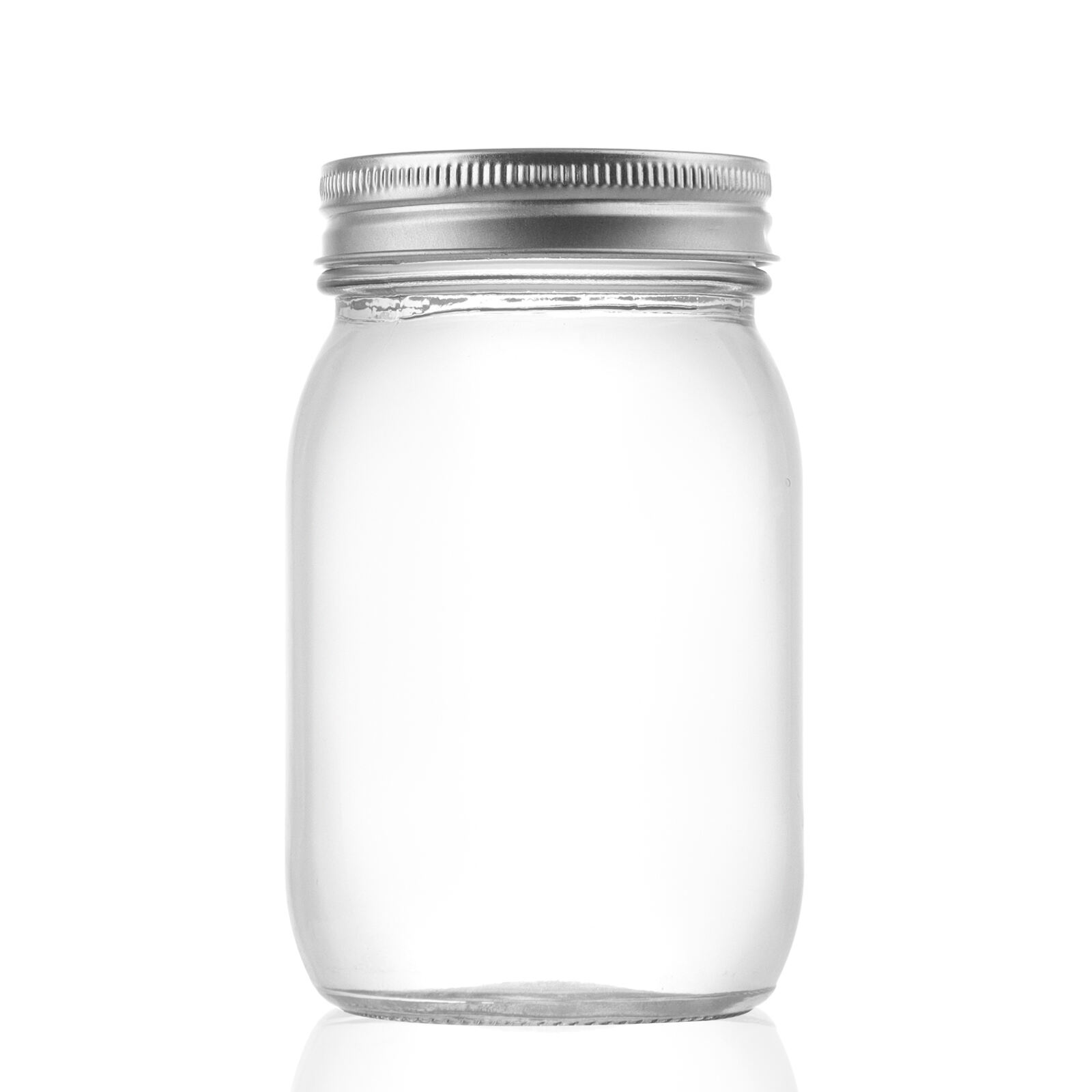
Essential Benefits of Glass Jar Pantry Organization
Superior Food Preservation Properties
Food glass jars offer unmatched preservation capabilities compared to plastic containers or original packaging. The non-porous nature of glass prevents absorption of odors, flavors, or stains, ensuring that your stored ingredients maintain their original taste and aroma. Glass also provides an airtight seal when paired with quality lids, protecting contents from moisture, pests, and air exposure that can lead to spoilage. This superior preservation quality makes food glass jars particularly valuable for storing expensive or specialty ingredients that you want to keep fresh for months.
The transparency of glass containers allows you to monitor the freshness and quantity of stored items at a glance. Unlike opaque containers, food glass jars enable you to quickly assess whether ingredients need replenishing or if any signs of deterioration have appeared. This visual accessibility prevents forgotten items from spoiling in the back of your pantry and helps you maintain an accurate inventory of your cooking supplies.
Environmental and Health Advantages
Choosing food glass jars for pantry organization supports environmental sustainability while promoting healthier food storage practices. Glass is infinitely recyclable and doesn't degrade over time like plastic containers, making it an eco-friendly long-term investment. Additionally, glass doesn't contain harmful chemicals such as BPA or phthalates that can leach into food products, ensuring that your stored ingredients remain pure and safe for consumption.
The durability of food glass jars means they can withstand daily use, temperature fluctuations, and regular washing without showing signs of wear. This longevity makes them a cost-effective solution for pantry organization, as they rarely need replacement and maintain their appearance and functionality for years. The ability to sterilize glass containers thoroughly also makes them ideal for storing both dry goods and prepared foods.
Strategic Planning for Glass Jar Pantry Systems
Measuring and Inventory Assessment
Before implementing a food glass jars organization system, conduct a thorough inventory of your pantry items to determine the appropriate sizes and quantities needed. Measure your existing dry goods, including flour, sugar, rice, pasta, nuts, and cereals, to calculate the storage capacity required for each category. This assessment helps you select the right combination of jar sizes and prevents over-purchasing or under-estimating your storage needs.
Consider your cooking habits and purchasing patterns when planning your glass jar system. If you frequently buy ingredients in bulk or prefer to maintain large quantities of staples, invest in larger capacity food glass jars. Conversely, if you cook varied cuisines and use numerous specialty ingredients in smaller amounts, a collection of medium and small jars might better serve your needs. This strategic approach ensures your organization system aligns with your actual usage patterns.
Space Optimization and Layout Design
Effective pantry organization with food glass jars requires careful consideration of your available space and shelf dimensions. Measure shelf heights, depths, and widths to determine the maximum jar sizes that will fit comfortably while allowing easy access. Consider both the storage capacity and the practical aspects of reaching and handling the containers during daily use.
Design your layout to maximize vertical space by using jars of varying heights strategically. Place frequently used ingredients in food glass jars at eye level for easy access, while reserving higher or lower shelves for items used less regularly. Group similar items together to create functional zones within your pantry, such as baking supplies, grains, snacks, or international ingredients.
Creative Organization Solutions with Glass Jars
Categorical Storage Systems
Implementing a categorical approach to organizing your food glass jars creates an intuitive system that simplifies meal planning and grocery shopping. Dedicate specific areas of your pantry to different food categories, such as baking essentials, breakfast items, cooking grains, and snack foods. This systematic organization allows family members to quickly locate ingredients and helps maintain the organized appearance of your pantry over time.
Within each category, arrange food glass jars by frequency of use, with daily essentials positioned for optimal accessibility. Consider the cooking workflow when positioning categories, placing complementary ingredients near each other. For example, store baking supplies like flour, sugar, and spices in adjacent food glass jars to streamline baking preparation.
Labeling and Identification Strategies
Effective labeling transforms your food glass jars from simple storage containers into a professional-looking organization system. Create consistent, clear labels that include the ingredient name, purchase date, and expiration date when applicable. Use waterproof labels or permanent markers to ensure longevity, and consider using a uniform font and label size for visual cohesion throughout your pantry.
Develop a color-coding system for your food glass jars labels to further enhance organization efficiency. Assign specific colors to different food categories, such as blue for grains, green for legumes, and red for baking supplies. This visual system allows for quick identification even from a distance and helps maintain organization when multiple family members access the pantry.
Specialized Applications for Different Food Types
Dry Goods and Bulk Ingredients
Food glass jars excel at storing various dry goods that form the foundation of most home cooking repertoires. Transfer bulk purchases of flour, sugar, rice, quinoa, oats, and pasta from their original packaging into appropriately sized glass containers. This practice not only extends shelf life but also protects these staples from pantry pests and moisture damage that can occur with cardboard or plastic packaging.
When storing bulk ingredients in food glass jars, consider the expansion properties of certain items. Some grains and legumes may expand slightly due to humidity changes, so leave adequate headspace in containers. Additionally, include oxygen absorbers or bay leaves in jars containing items prone to insect infestation to maintain quality during long-term storage.
Specialty Ingredients and Spices
Small and medium-sized food glass jars provide ideal storage solutions for specialty cooking ingredients such as exotic spices, seeds, nuts, and dried fruits. The airtight seal preserves the potency of spices and prevents essential oils from evaporating, maintaining flavor intensity longer than original packaging. The clear glass also allows you to assess spice freshness by observing color vibrancy and detecting any signs of moisture or clumping.
Organize specialty ingredients in food glass jars according to cuisine types or cooking applications to streamline meal preparation. Create dedicated sections for Asian cooking ingredients, Mediterranean flavors, or baking extracts and decorations. This specialized organization approach makes it easier to gather ingredients for specific recipes and helps prevent duplicate purchases of less common items.
Maintenance and Long-term Success
Cleaning and Sanitization Protocols
Maintaining the hygiene and appearance of your food glass jars requires establishing regular cleaning routines and proper sanitization techniques. Clean empty jars thoroughly with hot, soapy water and allow them to air dry completely before refilling. For stubborn residues or odors, use a mixture of baking soda and water to scrub the interior, followed by a vinegar rinse to neutralize any remaining odors.
Periodically deep clean your food glass jars by running them through the dishwasher or sterilizing them in boiling water. This process eliminates any potential bacterial growth and maintains the pristine condition of your containers. Pay special attention to lid seals and threading, as these areas can accumulate residue that compromises the airtight seal quality.
Rotation and Inventory Management
Implement a first-in, first-out rotation system for ingredients stored in food glass jars to prevent waste and ensure optimal freshness. When refilling containers, place newer ingredients behind older stock or transfer older items to smaller jars for priority use. This rotation practice is particularly important for ingredients with shorter shelf lives or those purchased in large quantities.
Maintain a simple inventory log or use smartphone apps to track the contents and refill dates of your food glass jars. This record-keeping helps you identify consumption patterns, plan grocery purchases more effectively, and prevent running out of essential ingredients during cooking projects. Regular inventory assessments also reveal which jar sizes work best for your usage patterns, informing future storage decisions.
Advanced Organization Techniques
Modular Storage Solutions
Create modular organization systems using food glass jars of compatible sizes that stack efficiently and maximize pantry space utilization. Choose jar collections with uniform footprints that nest together securely, allowing for vertical stacking without compromising accessibility. This approach works particularly well for storing seasonal ingredients or items used in specific cooking projects.
Incorporate adjustable shelving or drawer systems that accommodate your food glass jars collection while providing flexibility for future expansion. Consider installing pull-out drawers or sliding shelves that bring stored items forward for easier access, especially in deep pantry spaces where back items might become forgotten.
Integration with Kitchen Workflows
Position your food glass jars strategically to support efficient cooking workflows and reduce preparation time. Store frequently used ingredients in locations that minimize steps during common cooking tasks, such as placing everyday spices and seasonings within arm's reach of the main cooking area. This integration approach transforms your organized pantry from mere storage into an active component of your kitchen efficiency.
Consider the ergonomics of accessing and handling your food glass jars during routine cooking activities. Ensure that heavy containers are stored at appropriate heights to prevent strain, and that commonly used items are positioned for comfortable retrieval. This user-centered approach to organization maintains the long-term sustainability of your system by making it practical for daily use.
FAQ
What types of food should not be stored in glass jars
While food glass jars are versatile storage solutions, certain items are better stored elsewhere. Fresh fruits and vegetables requiring refrigeration should not be stored in pantry glass jars, as they need controlled temperature and humidity. Additionally, items with high moisture content like fresh herbs or soft cheeses require refrigerated storage. Carbonated beverages or fermented foods that produce gas should not be stored in sealed glass jars due to pressure buildup risks.
How long do ingredients stay fresh in glass storage jars
Properly stored dry ingredients in airtight food glass jars typically maintain freshness significantly longer than in original packaging. Grains and legumes can stay fresh for 6-12 months, while flour and sugar maintain quality for 8-12 months. Spices retain potency for 1-3 years depending on the type, and nuts can stay fresh for 6-9 months when stored in cool conditions. Always check for signs of spoilage regardless of storage time, and use rotation methods to ensure optimal freshness.
What size glass jars work best for different ingredients
Selecting appropriate jar sizes depends on your cooking habits and ingredient usage patterns. Large jars (32-64 oz) work well for bulk staples like flour, sugar, and rice that you use frequently. Medium jars (16-32 oz) are ideal for pasta, cereals, and nuts. Small jars (8-16 oz) are perfect for spices, seeds, and specialty ingredients used in smaller quantities. Having a variety of sizes allows you to optimize storage space while maintaining ingredient freshness.
How do I prevent condensation in glass food storage jars
Preventing condensation in food glass jars requires ensuring ingredients are completely cool and dry before storage. Allow freshly opened or transferred ingredients to reach room temperature, and verify that jars are completely dry after washing. Store jars in areas with stable temperatures away from heat sources or areas with high humidity fluctuations. If condensation appears, remove the ingredient, dry both the jar and contents thoroughly, and ensure proper sealing before re-storing.