In an era where logistics costs and carbon emissions are under intense scrutiny, the imperative for lightweight packaging has never been stronger. For glass, the age-old dilemma has been balancing weight reduction with maintaining the innate strength, premium feel, and protective qualities that make it the material of choice for sensitive products. Today, through cutting-edge engineering and process innovation, this balance is not only achievable but is becoming a standard for forward-thinking brands. Xuzhou CuiCan Glass Products Co., Ltd. leverages its extensive R&D and manufacturing prowess to deliver next-generation lightweight glass solutions, particularly for beverage bottles, Boston bottles, sauce bottles, and food jars, without compromising on durability or design integrity.
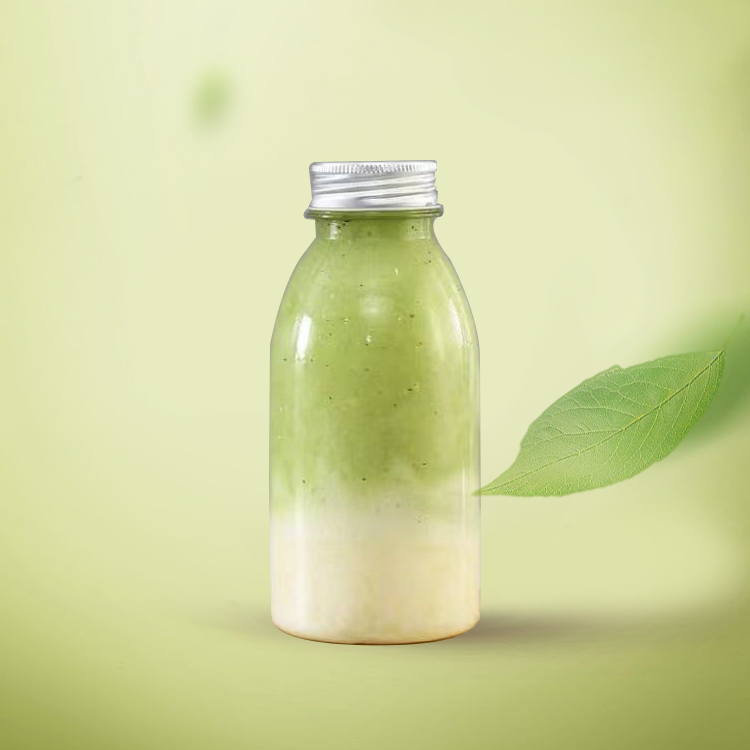
Lightweighting, or "lightweighting," goes beyond simply using less glass. It is a sophisticated engineering discipline involving computer-aided design (CAD), structural simulation, advanced molding techniques, and enhanced material science. The goal is to strategically redistribute material to reinforce high-stress areas while thinning others, resulting in containers that are up to 20-30% lighter than conventional counterparts.
For high-frequency use items like beverage bottles and Boston bottles (widely used for sauces, condiments, and cosmetics), lightweighting delivers direct and tangible benefits. It dramatically reduces transportation fuel consumption and associated greenhouse gas emissions per unit shipped—a key metric in Scope 3 emissions reporting for brands. It also lowers material costs and can improve handling ergonomics for end-users, enhancing the overall consumer experience.
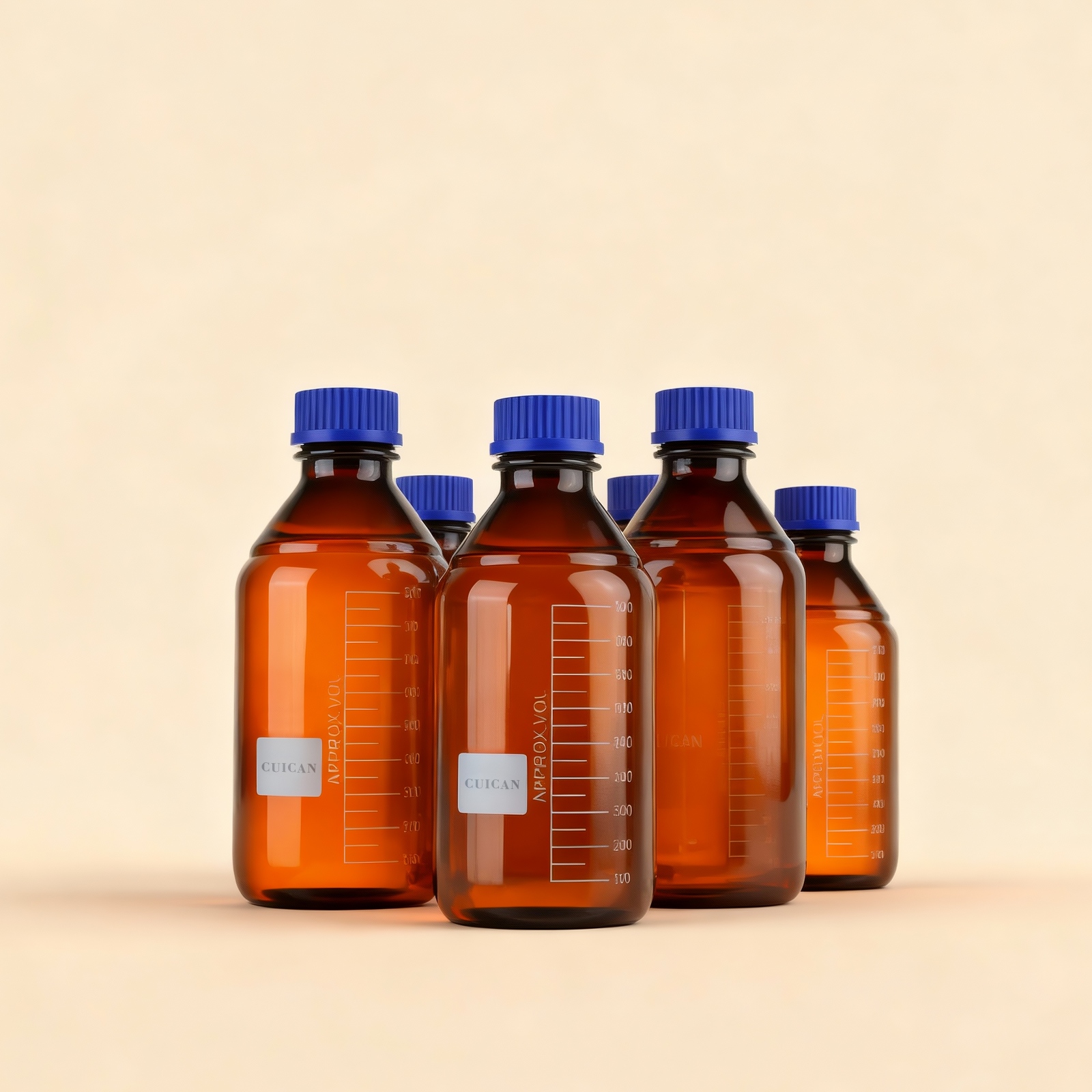
At CuiCan Glass, our approach to lightweighting is holistic. Our design team utilizes finite element analysis (FEA) software to simulate stress points under filling, capping, transportation, and vertical load conditions. This digital prototyping allows us to optimize the design of 8 ounce mason jars, ketchup glass bottles, and tomato sauce bottles for maximum strength-to-weight ratio before a single mold is cut.
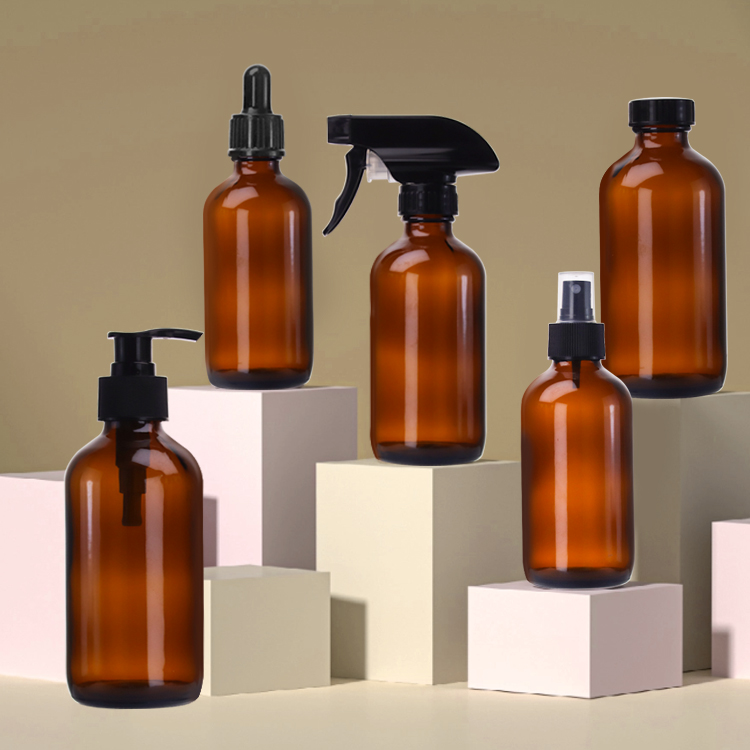
On our 10 specialized glass bottle manufacturing lines, we employ precision gob feeding and advanced IS (Individual Section) machine technology with narrow press-and-blow or blow-and-blow process controls. This ensures ultra-uniform glass distribution in the parison, which is critical for achieving thin yet consistent walls in the final lightweight container. For products like honey glass jars or medical syrup bottles, which may contain viscous or dense contents, we can engineer specific base and shoulder geometries to enhance stability.
Moreover, our value-added services play a crucial role in the lightweighting ecosystem. Polishing eliminates micro-fissures that can become points of failure in thinner glass. Hot stamping and screen printing not only add brand value but can also be applied in strategic bands that minimally contribute to structural reinforcement.
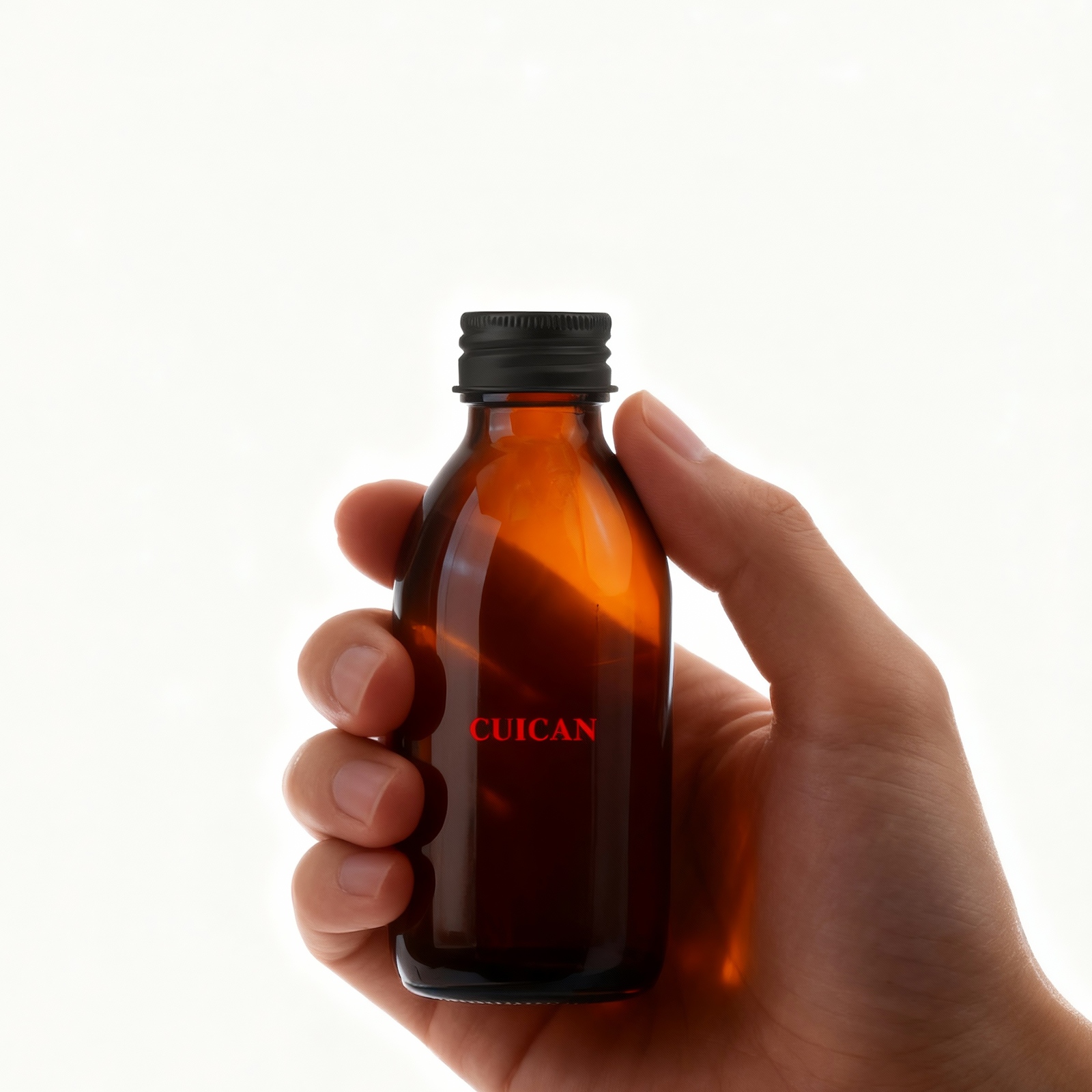
The result is a new generation of glass packaging that aligns with eco-conscious values while upholding the premium perception of glass. A lightweight coffee glass jar still feels substantial and protects the coffee's freshness; a slenderized perfume bottle retains its luxurious heft and clarity. With an annual output of 150,000 tons, we have the scale to make lightweight glass a viable, cost-effective option for global brands looking to innovate.
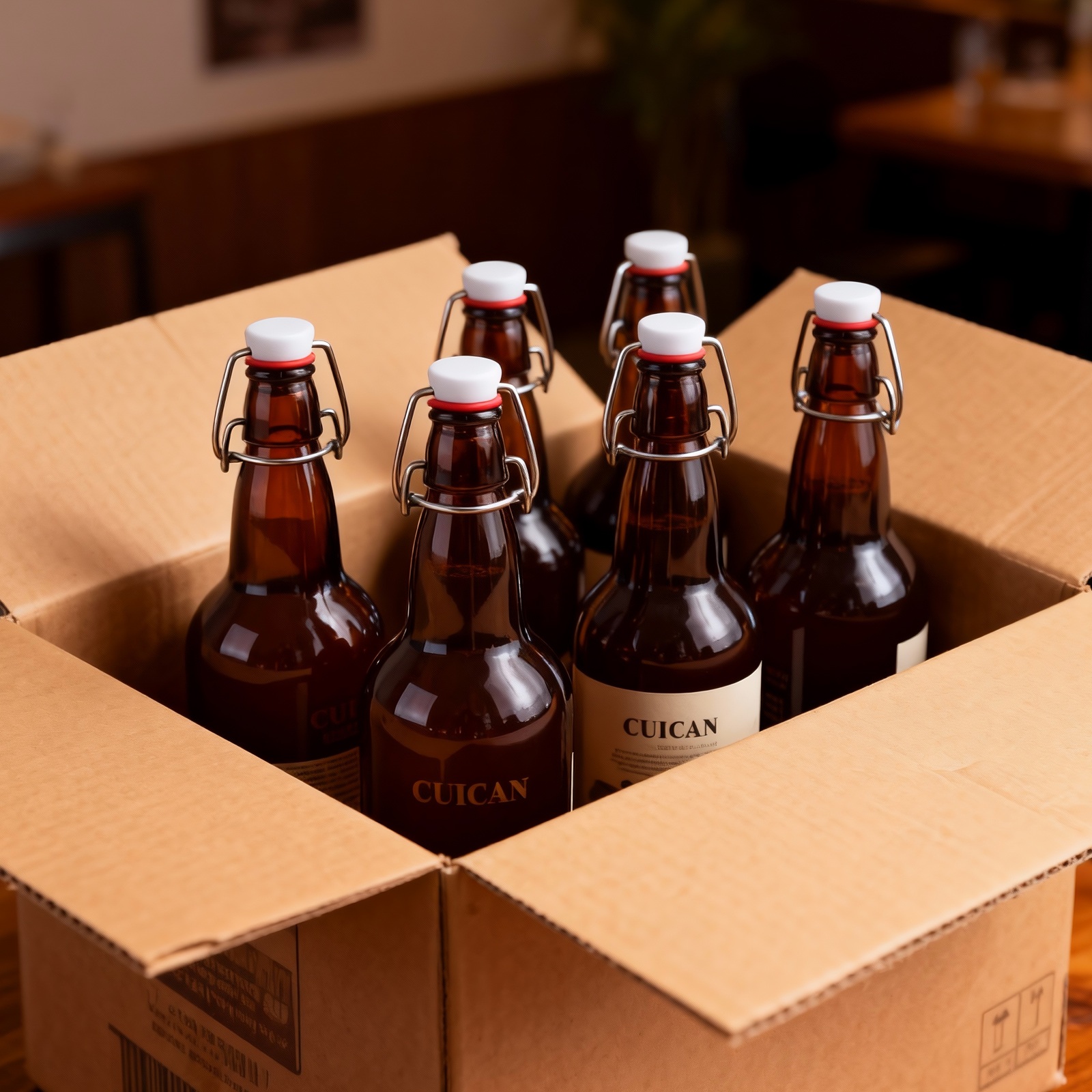
Is your brand ready to reduce its environmental footprint and logistics costs through advanced lightweight glass packaging? Reach out to the engineering team at Xuzhou CuiCan Glass Products Co., Ltd. to discuss a custom lightweighting project. From design simulation to high-volume production, we provide the end-to-end expertise to make your packaging stronger, lighter, and more sustainable.
 EN
EN